In the realm of industrial automation, consumer electronics, and IoT systems, proximity and ambient light sensors (PALS) have become indispensable components. These sophisticated devices, often integrating both functions into a single package, bridge the physical and digital worlds by detecting the presence of nearby objects and measuring ambient light intensity without physical contact. Their operation is primarily based on the emission and reception of infrared (IR) light, though some advanced variants utilize time-of-flight (ToF) or laser-based principles for higher precision.
The fundamental principle of a typical IR-based proximity sensor involves an IR LED emitter and a photodiode or phototransistor receiver. The emitter projects a beam of modulated IR light. When an object enters the detection field, this light is reflected back to the receiver. The sensor's internal circuitry, often an application-specific integrated circuit (ASIC), processes this signal to determine the object's presence and, in many cases, its approximate distance. The modulation of the IR signal is crucial; it allows the sensor to distinguish the reflected signal from ambient IR noise, such as sunlight or artificial lighting, thereby ensuring reliable operation in diverse environments. Concurrently, the ambient light sensing (ALS) function uses a separate photodiode optimized for the visible light spectrum. It measures the illuminance (in lux) of the surrounding environment, enabling automatic display brightness adjustment or system power management.
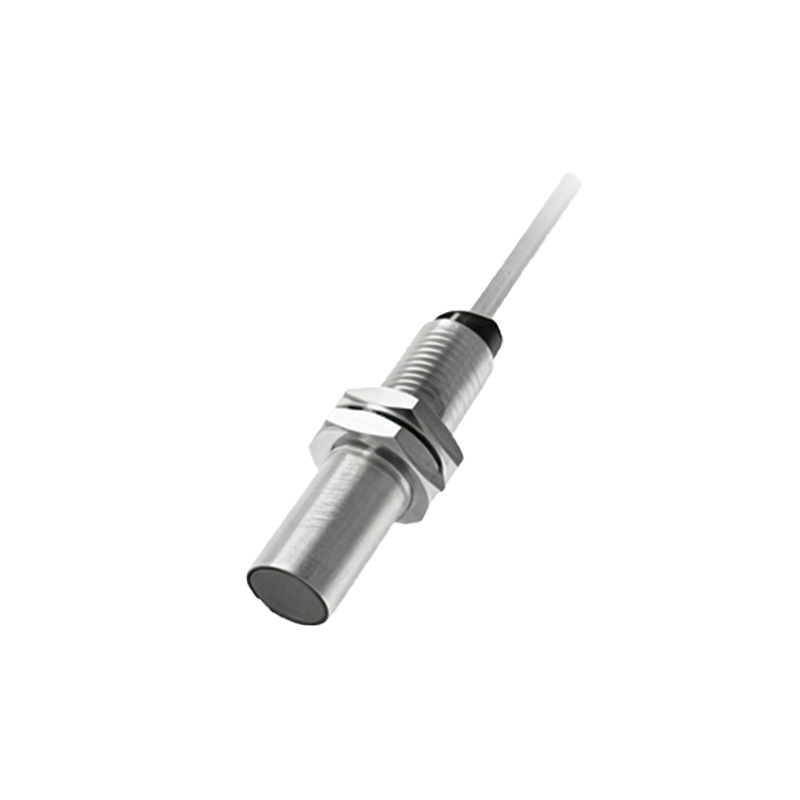
The integration of these two sensing modalities offers significant advantages. From an engineering standpoint, it saves valuable PCB real estate, reduces component count, and simplifies system design and calibration. Modern PALS ICs communicate via standard digital interfaces like I2C or SPI, providing direct digital readings of proximity and lux levels to the host microcontroller. This digital integration facilitates sophisticated algorithms for gesture recognition, power saving, and user experience enhancement.
The applications for these sensors are vast and continually expanding. In the consumer electronics sector, they are the cornerstone of features like automatic screen turn-off during phone calls, adaptive display brightness, and touchless gesture control. In industrial settings, they are deployed for object detection on conveyor belts, liquid level sensing in non-transparent containers, and as safety interlocks in machinery to prevent operator injury. The automotive industry utilizes them for interior cabin monitoring, touchless control panels, and automatic headlight activation. Furthermore, in smart building and home automation systems, PALS enable presence detection for energy-efficient lighting and climate control.
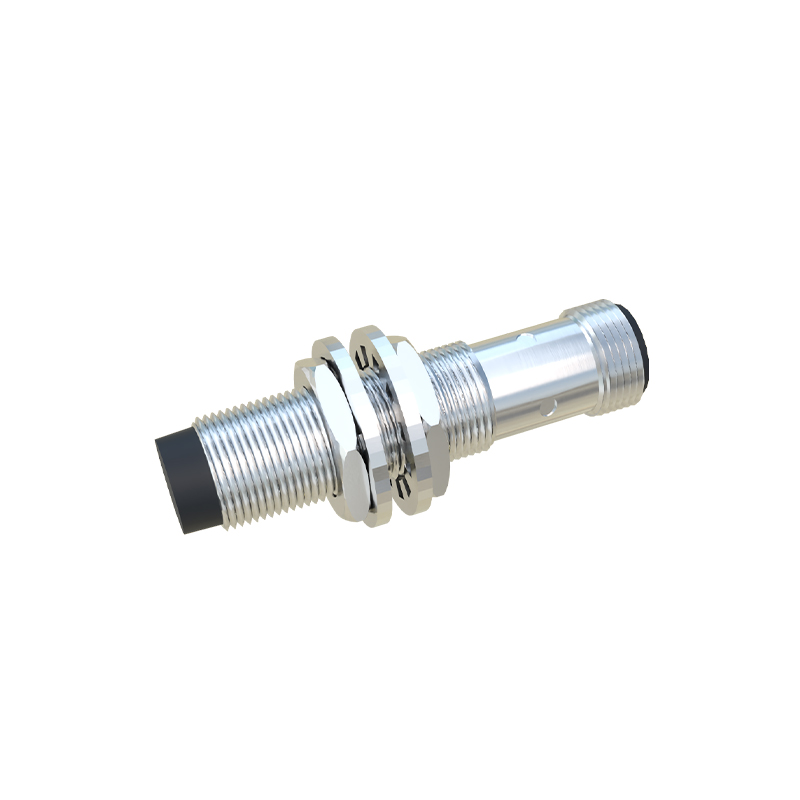
Selecting the appropriate proximity and ambient light sensor for a specific application requires careful consideration of several key parameters. Detection range is paramount; some sensors are optimized for short-range detection of a few centimeters, ideal for mobile devices, while others can reliably detect objects up to several meters away for industrial applications. The field of view (FOV) determines the detection cone's angle—a narrow FOV is precise for targeted sensing, whereas a wide FOV is better for general presence detection. Power consumption is critical for battery-operated devices, making low-power and wake-on-interrupt features highly desirable. Environmental robustness, including performance under varying ambient light conditions (sunlight, fluorescent, incandescent) and resistance to optical crosstalk (internal reflection within the device's cover glass), is essential for reliability. Finally, package size and optical design requirements, such as the need for a specific aperture or lens, directly impact the mechanical integration into the final product.
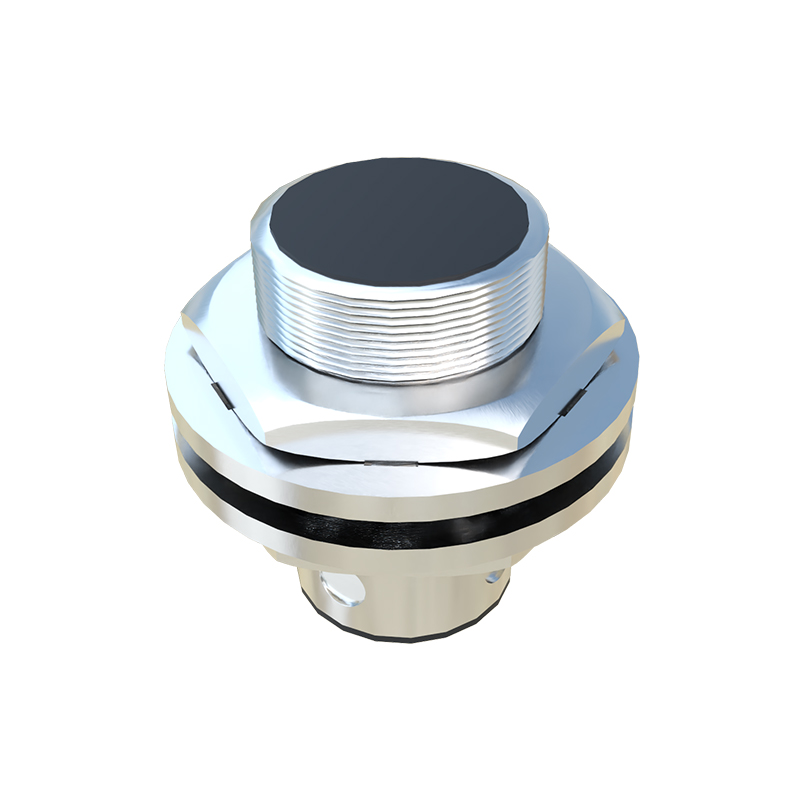
Recent advancements are pushing the boundaries of PALS technology. Sensors with higher IR emitter power and more sensitive receivers are achieving longer ranges and better performance in direct sunlight. Multi-channel sensors, capable of detecting multiple wavelengths, can differentiate between materials or provide more accurate color temperature readings for ALS. The fusion of PALS data with inputs from other sensors like accelerometers or cameras is enabling context-aware computing, where devices intelligently adapt their behavior based on a holistic understanding of their environment.
In conclusion, proximity and ambient light sensors are far more than simple on/off switches. They are intelligent, integrated systems that play a critical role in creating intuitive, efficient, and responsive electronic products. For engineers, a deep understanding of their operating principles, performance characteristics, and integration challenges is key to leveraging their full potential. As the demand for smarter and more interactive devices grows, the evolution of PALS technology will continue to be a driving force in innovation across countless industries.