In modern industrial automation, proximity sensors play a critical role in non-contact detection of various materials, including glass. Glass detection presents unique challenges due to its transparent nature, which can interfere with traditional sensing methods. Proximity sensors designed for glass detection must overcome these obstacles to ensure reliable operation in applications such as packaging lines, automotive assembly, and electronic device manufacturing.
There are several types of proximity sensors suitable for glass detection, each with distinct operating principles. Capacitive proximity sensors are particularly effective for non-metallic materials like glass. These sensors generate an electrostatic field and detect changes in capacitance when an object enters the sensing range. For transparent materials, specialized capacitive sensors with higher sensitivity settings can distinguish glass from empty space by measuring dielectric constant variations. Another option is ultrasonic proximity sensors, which emit high-frequency sound waves and measure the time delay of reflected signals. Since ultrasound reflects off solid surfaces regardless of transparency, these sensors can reliably detect glass panels or containers without physical contact.
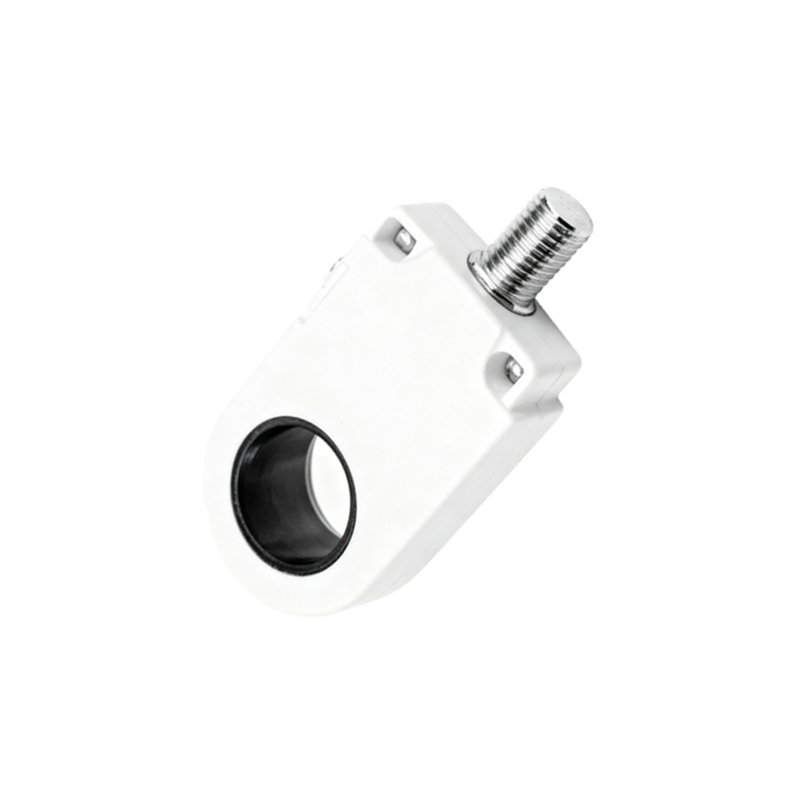
Key considerations for selecting glass detection sensors include sensing distance, response time, and environmental factors. Typical sensing distances range from 2mm to 15mm for capacitive models and up to 1 meter for ultrasonic versions. Response times must be fast enough for high-speed production lines, often requiring 0.5ms to 2ms switching speeds. Environmental challenges like dust, moisture, or temperature fluctuations necessitate sensors with appropriate IP ratings and temperature compensation features. For instance, in beverage bottling plants, sensors must withstand condensation while accurately detecting glass bottles on conveyor belts.
Installation and calibration significantly impact sensor performance. Proper mounting alignment ensures consistent detection, especially for thin glass sheets where the sensing area is limited. Many modern sensors feature teach-in functions that allow automatic calibration to specific glass thicknesses or container shapes. Advanced models incorporate background suppression technology to ignore objects beyond the target glass surface, reducing false triggers from conveyor mechanisms or surrounding equipment.
Industry applications demonstrate the versatility of glass detection sensors. In automotive manufacturing, they verify windshield placement before adhesive application. Pharmaceutical companies use them to inspect glass vials for cracks or contamination. Solar panel production lines employ specialized sensors to monitor glass substrate positioning during lamination processes. Each application requires tailored solutions; for example, detecting glass bottles with liquid contents may require different settings than detecting empty containers due to dielectric property changes.
Recent technological advancements have enhanced glass detection capabilities. Smart sensors with IO-Link communication provide real-time diagnostics and parameter adjustments without physical access. Multi-channel sensors can monitor multiple glass objects simultaneously, improving system efficiency. Some manufacturers have developed hybrid sensors combining capacitive and optical principles to handle challenging scenarios like detecting glass with varying levels of transparency or surface coatings.
Maintenance practices ensure long-term reliability. Regular cleaning of sensor faces prevents false readings from dust accumulation on glass surfaces. Periodic verification checks using calibration standards help maintain detection accuracy. Many industrial facilities implement predictive maintenance schedules based on sensor usage data to prevent unexpected downtime.
As Industry 4.0 evolves, integration with control systems becomes increasingly important. Proximity sensors for glass detection now commonly feature digital outputs compatible with PLCs and industrial networks. Data from these sensors contributes to quality control statistics, enabling traceability in production batches. Future developments may include AI-assisted sensors that learn to distinguish between acceptable glass variations and actual defects, further reducing error rates in automated inspection systems.
Ultimately, successful glass detection requires matching sensor technology to specific application requirements. Engineers must consider material properties, environmental conditions, and performance expectations when designing sensing solutions. With proper selection and implementation, proximity sensors provide reliable, maintenance-free glass detection that enhances automation efficiency across numerous industries.