In the intricate world of industrial automation and robotics, the demand for precise, reliable, and non-contact sensing has never been greater. Among the array of solutions available, millimeter-level proximity sensors stand out as critical components for applications requiring extreme positional accuracy and repeatability. These sensors operate on the fundamental principle of detecting the presence or absence of an object within a very short range—typically from a fraction of a millimeter up to several millimeters—without any physical contact. This capability is paramount in environments where contamination, mechanical wear, or delicate handling are significant concerns.
The core technologies enabling this high-precision detection are primarily inductive, capacitive, and, increasingly, photoelectric principles tailored for ultra-short ranges. Inductive proximity sensors are the workhorses for detecting metallic objects. They generate an electromagnetic field and detect changes caused by eddy currents induced in a metallic target. Modern inductive sensors can reliably detect ferrous and non-ferrous metals with sensing distances down to 0.1 mm, offering exceptional repeatability and resilience against environmental factors like dust, oil, and coolant splashes. Their robustness makes them ideal for machine tools, assembly lines, and robotic end-effectors where metal part positioning is critical.
Capacitive proximity sensors, on the other hand, can detect both metallic and non-metallic materials, including liquids, plastics, glass, and wood. They function by measuring changes in capacitance between the sensor's active surface and the target object. For millimeter-level applications, such as monitoring fill levels in tiny containers, detecting thin films, or ensuring precise placement of PCB components, capacitive sensors provide a versatile solution. Their sensitivity can often be adjusted to ignore certain materials or background interference, a crucial feature in complex setups.
Photoelectric sensors, specifically diffuse-reflective and through-beam types with focused beams, achieve micron and sub-millimeter precision. Using a focused laser or LED light source, these sensors can detect minute displacements, edge positions, or the thickness of transparent materials. They are indispensable in electronics manufacturing, semiconductor handling, and precision packaging, where the target may be minuscule or require detection through a specific aperture.
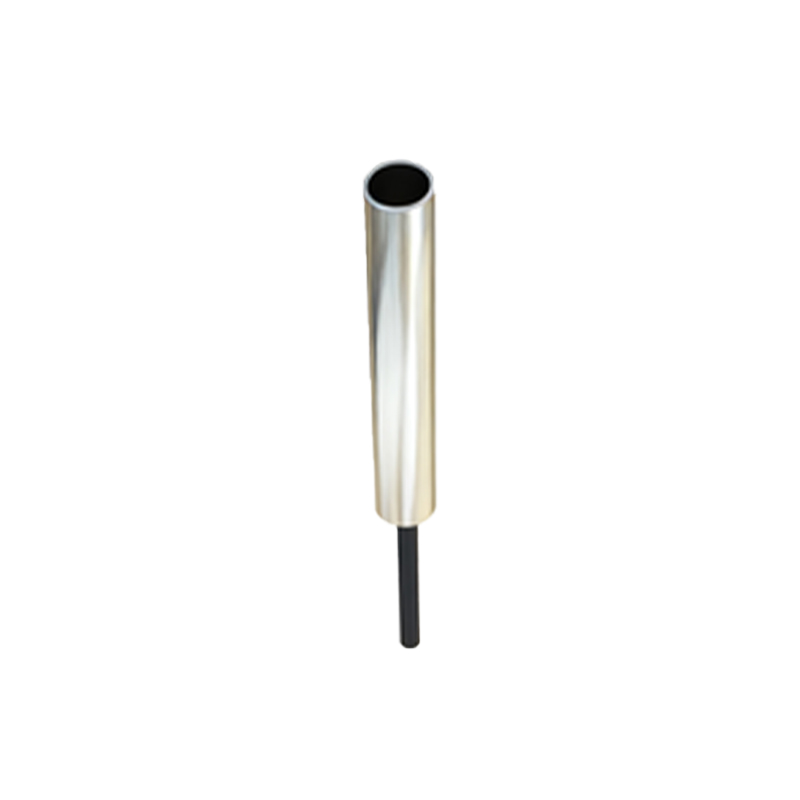
The selection of a millimeter-level proximity sensor is a nuanced process that extends beyond mere sensing distance. Key parameters must be meticulously evaluated. First, the repeatability or reproducibility of the switching point is often more critical than the absolute sensing range. High-quality sensors offer repeatability in the micron range, ensuring consistent operation over millions of cycles. Second, the hysteresis—the difference between the switch-on and switch-off points—is vital for stable switching and preventing chatter in dynamic applications. Third, the target material, size, and shape directly influence the effective sensing distance; sensor datasheets typically specify correction factors for different metals or materials. Fourth, environmental conditions such as temperature extremes, presence of strong electromagnetic fields, or conductive dust can impact performance, necessitating sensors with appropriate IP (Ingress Protection) ratings and robust housing materials like nickel-plated brass or stainless steel.
Furthermore, the output configuration (PNP/NPN, analog, or IO-Link) and form factor (threaded barrel, rectangular, or slot-style) must align with the control system and mechanical constraints of the application. The emergence of IO-Link, a point-to-point serial communication protocol, has revolutionized smart sensor integration. IO-Link-enabled millimeter sensors can transmit detailed diagnostic data, such as operating hours, temperature warnings, and signal strength, to the controller, enabling predictive maintenance and finer process control.
In practice, the applications are vast and growing. In automated assembly, these sensors verify the precise insertion of pins or screws. In robotics, they provide tactile-like feedback for gripper positioning and object detection. In printing and converting machinery, they control web tension and register marks with extreme accuracy. In medical device manufacturing, they ensure the sterile, non-contact handling of delicate components.
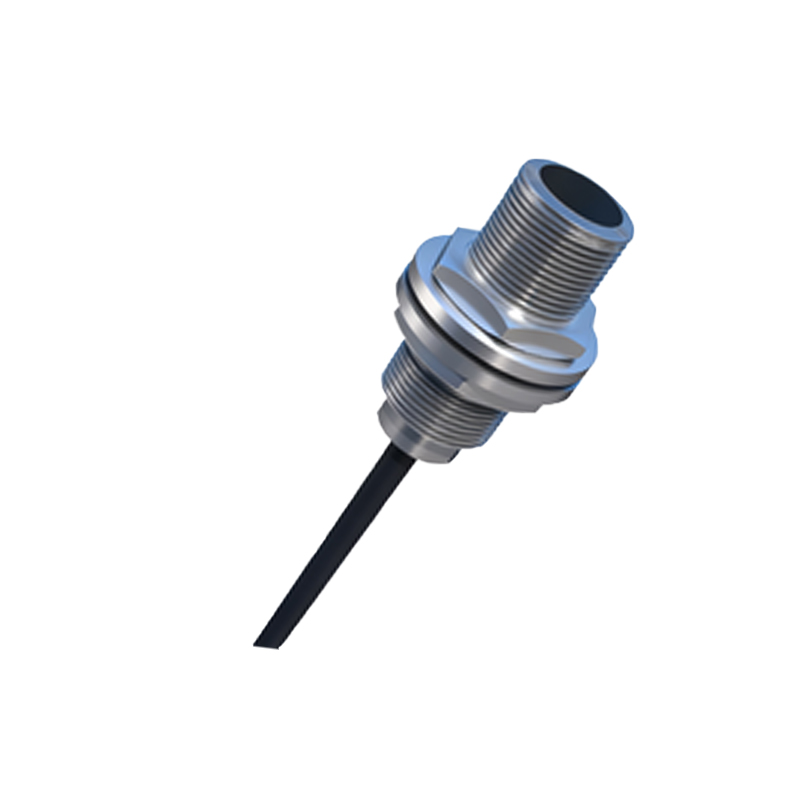
Installation and alignment are paramount. Even the most advanced sensor will underperform if improperly mounted. Factors like flush vs. non-flush mounting, the presence of adjacent metal (which can reduce the effective sensing distance), and ensuring a stable power supply must be addressed. Regular maintenance, though minimal, involves keeping the sensing face clean and verifying performance against a master target.
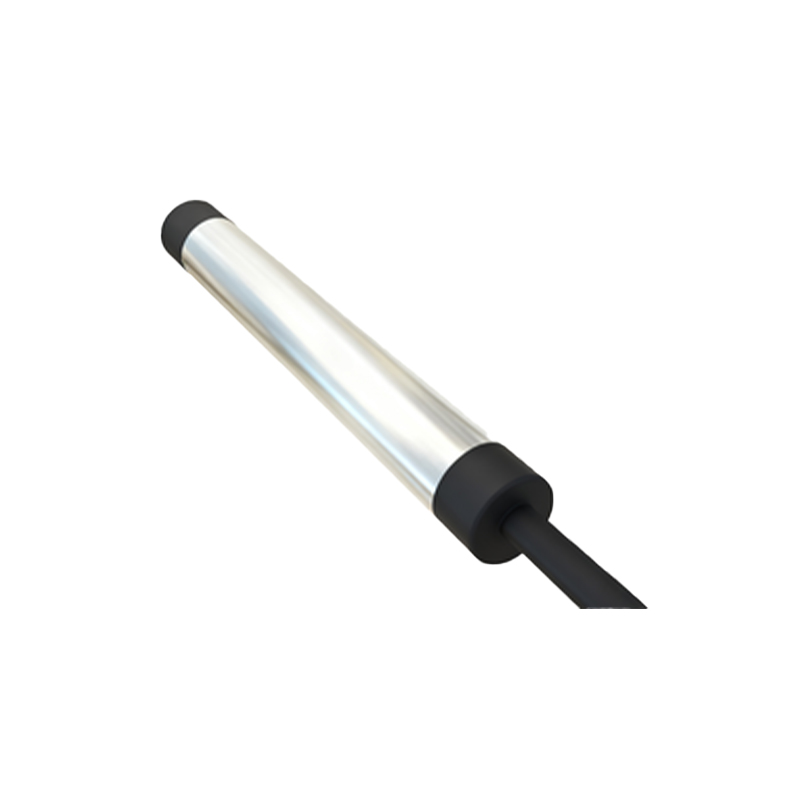
Looking ahead, the trend is toward even smaller, smarter, and more integrated sensors. Miniaturization allows embedding into tighter spaces, while enhanced communication capabilities facilitate their role in Industry 4.0 data ecosystems. The pursuit of higher precision, faster response times, and greater immunity to interference continues to drive innovation in this foundational field of industrial sensing.
In conclusion, millimeter-level proximity sensors are not merely switches; they are precision instruments that form the sensory bedrock of modern high-accuracy automation. A thorough understanding of their operating principles, key specifications, and application requirements is essential for engineers to harness