Selecting the appropriate circuit for a laser sensor is a critical step in ensuring reliable performance across various applications, from industrial automation to consumer electronics. The process involves understanding the sensor's operational requirements, environmental conditions, and integration needs. This guide outlines key considerations for circuit selection, helping engineers and designers make informed decisions.
First, identify the type of laser sensor being used. Common variants include through-beam, retro-reflective, and diffuse reflective sensors, each with distinct circuit demands. Through-beam sensors, which consist of separate transmitter and receiver units, typically require stable power supply circuits to maintain consistent laser output. The receiver side often needs amplification and filtering circuits to detect weak signals over long distances. In contrast, diffuse reflective sensors, where the transmitter and receiver are housed together, may prioritize circuits that handle signal processing for proximity detection, such as analog-to-digital converters (ADCs) and noise reduction modules.
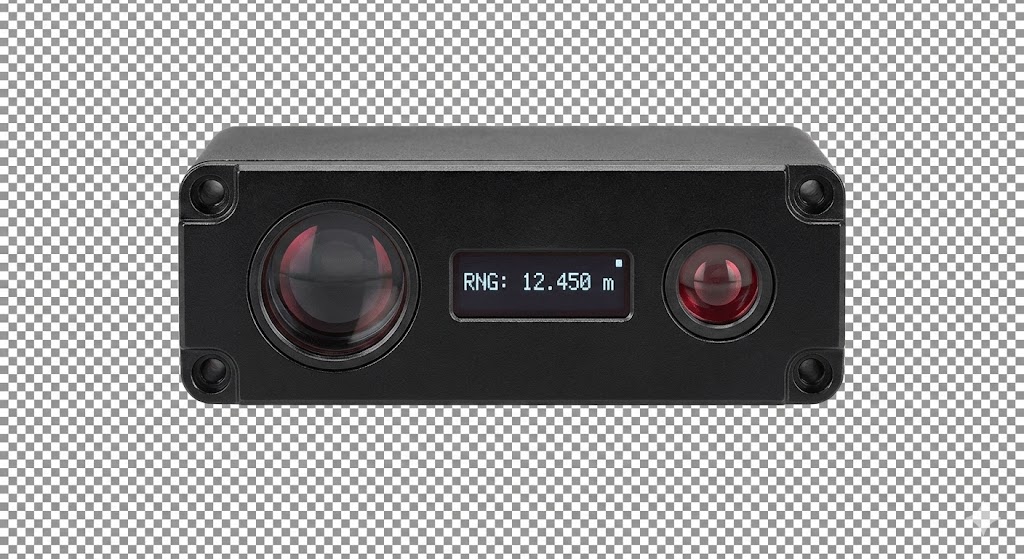
Power supply design is fundamental. Laser sensors generally operate at low voltages (e.g., 5V or 12V DC), but current requirements vary based on laser power and duty cycle. For pulsed lasers, circuits must manage high peak currents without voltage drops, often using capacitors or dedicated voltage regulators. In battery-powered applications, consider low-power circuits with sleep modes to extend lifespan. Additionally, incorporate protection features like reverse polarity protection and overcurrent safeguards to prevent damage from electrical faults.
Signal conditioning circuits are essential for accurate detection. The receiver output is often analog, requiring amplification to usable levels. Operational amplifiers (op-amps) with appropriate gain settings can boost signals, while filters (e.g., low-pass filters) eliminate interference from ambient light or electrical noise. For digital output sensors, circuits may include comparators to convert analog signals to digital pulses, ensuring clean switching for microcontrollers or PLCs. Timing circuits, such as monostable multivibrators, can also be added to handle response time adjustments, crucial in high-speed applications like conveyor systems.
Environmental factors heavily influence circuit selection. In harsh conditions with temperature extremes or vibration, use robust components like ceramic capacitors and conformal coating on PCBs. For outdoor or dusty settings, circuits should include surge protection and sealed enclosures to prevent moisture ingress. EMI/RFI shielding is vital in electrically noisy environments, such as near motors or wireless devices, to maintain signal integrity. Opt for circuits with differential signaling or shielded cables if the sensor operates in such areas.
Integration with broader systems dictates interface circuits. Many laser sensors connect to microcontrollers, PLCs, or data acquisition systems. Ensure compatibility by selecting circuits with standard interfaces (e.g., UART, I2C, or analog voltage outputs). For industrial networks like PROFIBUS or Ethernet/IP, additional protocol-specific circuits may be needed. Also, consider isolation circuits (e.g., optocouplers) to separate sensor electronics from high-voltage machinery, enhancing safety and reducing ground loop issues.
Testing and validation are crucial final steps. Prototype circuits should undergo rigorous evaluation under real-world conditions. Use oscilloscopes to monitor signal waveforms, checking for distortion or delays. Measure power consumption to verify efficiency, and run longevity tests to ensure reliability. Document circuit specifications, including schematics and component ratings, for future maintenance or scaling.
In summary, selecting circuits for laser sensors demands a holistic approach. By analyzing sensor type, power needs, signal processing, environmental challenges, and integration requirements, designers can build circuits that optimize performance and durability. Always refer to manufacturer datasheets and industry standards, as they provide valuable insights for tailored solutions. With careful planning, laser sensor circuits can enhance precision and reliability in diverse technological applications.