Proximity switch sensors are fundamental components in modern industrial automation, enabling non-contact detection of objects with high precision and reliability. This video guide delves into the operational principles, types, and applications of these sensors, providing a clear understanding for engineers and technicians in the electrical industry.
At their core, proximity sensors function by emitting an electromagnetic field or beam and detecting changes in that field when an object enters its sensing range. Unlike mechanical switches, they do not require physical contact, reducing wear and tear and enhancing longevity in demanding environments. The video begins by explaining the basic physics behind this technology, focusing on how sensors generate and measure field disturbances to trigger output signals. Key concepts such as sensing distance, hysteresis, and response time are illustrated with practical examples, making complex theories accessible to viewers.
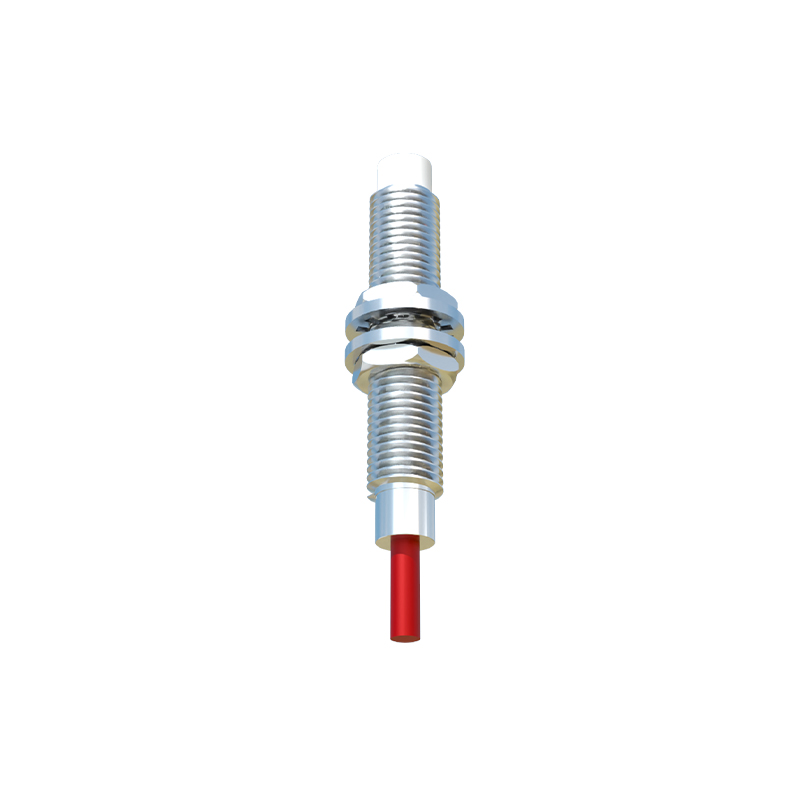
The guide categorizes proximity sensors into three main types: inductive, capacitive, and photoelectric. Inductive sensors, the most common in industrial settings, detect metallic objects by inducing eddy currents. The video demonstrates their construction, including a coil, oscillator, and signal conditioner, and shows how they excel in applications like metal detection in conveyor systems. Capacitive sensors, on the other hand, can sense both metallic and non-metallic materials by measuring changes in capacitance. The video highlights their use in liquid level detection or plastic object recognition, emphasizing their versatility. Photoelectric sensors utilize light beams to detect objects, with sub-types like through-beam, retro-reflective, and diffuse models explained through animated diagrams. Each type's advantages and limitations are discussed to help viewers select the right sensor for specific tasks.
In the video, real-world applications are showcased to reinforce learning. For instance, inductive sensors are shown in automotive assembly lines for part positioning, while capacitive sensors monitor material levels in chemical tanks. Photoelectric sensors are featured in packaging machinery to count products accurately. The video also covers installation tips, such as proper mounting to avoid interference from surrounding metals, and calibration techniques to optimize performance. Troubleshooting common issues like false triggers or reduced sensing range is addressed with step-by-step visual guides, empowering viewers to maintain systems efficiently.
Advanced topics include the integration of proximity sensors with PLCs (Programmable Logic Controllers) and IoT (Internet of Things) networks. The video explains how sensor outputs (e.g., NPN or PNP configurations) interface with control systems to automate processes. It also touches on emerging trends, such as miniaturization and enhanced durability for harsh conditions, keeping professionals updated on industry innovations. By the end, viewers will grasp how proximity switch sensors contribute to efficiency, safety, and automation in sectors from manufacturing to robotics.
This comprehensive video serves as both an educational resource and a practical reference, blending theory with hands-on insights. Whether you're designing a new system or maintaining existing equipment, understanding these principles ensures optimal sensor deployment and operational success.