In the realm of modern smartphone design, proximity sensors play a critical yet often understated role in enhancing user experience, power efficiency, and device reliability. As a senior electrical engineer specializing in consumer electronics, I aim to elucidate the key performance indicators (KPIs) that define the efficacy and quality of these sensors. Understanding these metrics is paramount for design validation, component selection, and troubleshooting during product development.
First and foremost, Detection Range stands as a fundamental KPI. This specifies the minimum and maximum distances over which the sensor can reliably detect an object, typically measured in millimeters. For most smartphones, the optimal range is between 0 to 80 mm, allowing the screen to turn off accurately during calls when the phone is near the ear. Engineers must calibrate this range to avoid false triggers from unintended objects while ensuring consistent performance across various environmental conditions.
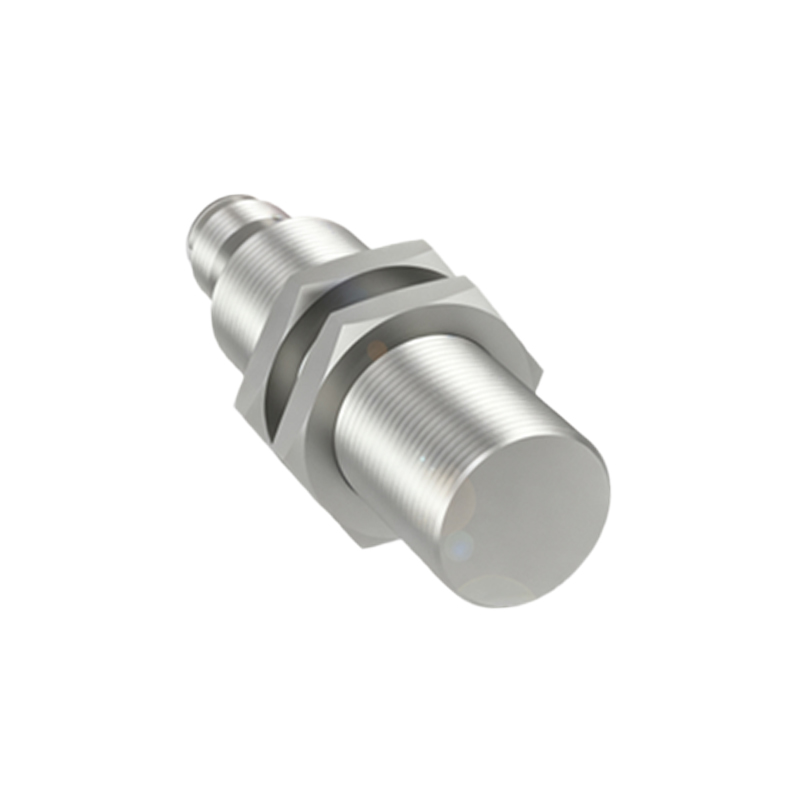
Response Time is another crucial metric, referring to the delay between the presence of an object and the sensor's output signal change. In practical terms, a fast response time—often under 100 milliseconds—is essential to provide a seamless user interaction, such as instant screen blanking. Slow response can lead to user frustration, accidental touch inputs, or unnecessary power drain from the display remaining active.
Accuracy and Resolution determine the sensor's precision in distance measurement. Accuracy denotes how close the measured distance is to the true value, while resolution indicates the smallest change in distance the sensor can detect. High accuracy ensures the screen deactivates precisely when needed, preventing premature or delayed actions. Resolution becomes particularly important in advanced applications like gesture recognition or adaptive brightness adjustments.
Power Consumption is a vital consideration in battery-operated devices. Proximity sensors typically operate in a low-power mode, but their design must minimize current draw during both active sensing and idle states. Engineers evaluate parameters such as supply voltage, operating current, and sleep mode current to optimize overall system power budget without compromising performance.
Environmental Robustness encompasses the sensor's ability to function reliably under varying conditions. Key factors include Ambient Light Immunity, which prevents interference from sunlight or artificial lighting, and Temperature Stability, ensuring consistent operation across the device's specified temperature range (commonly -20°C to 70°C). Additionally, resistance to External Optical Noise from reflective surfaces or specific materials is critical to avoid false readings.
Integration and Form Factor are practical KPIs influencing mechanical design. The sensor's physical dimensions, package type (e.g., surface-mount device), and interface compatibility (such as I2C or SPI) must align with the smartphone's compact layout. Proper optical design, including the placement of infrared LEDs and photodiodes, along with aperture considerations, directly affects signal integrity and cross-talk minimization.
Reliability and Longevity involve metrics like Mean Time Between Failures (MTBF) and resistance to aging effects such as LED output degradation over time. Rigorous testing under accelerated life conditions helps predict operational lifespan, ensuring the sensor maintains performance throughout the device's warranty period and beyond.
Signal-to-Noise Ratio (SNR) is a technical indicator reflecting the quality of the detected signal relative to background noise. A high SNR allows for clearer object detection, reducing the likelihood of errors in challenging scenarios, such as when the sensor is partially obstructed by a case or screen protector.
In conclusion, evaluating mobile phone proximity sensors requires a holistic analysis of these interrelated KPIs. From detection range and response time to power efficiency and environmental resilience, each parameter contributes to the sensor's overall performance. As smartphones evolve with thinner bezels, under-display sensor placements, and new materials, engineers must continuously refine these indicators through simulation, prototyping, and rigorous testing to meet ever-higher standards of functionality and user satisfaction.