In the realm of industrial automation and control systems, proximity sensors are indispensable components that enable non-contact detection of objects, ensuring precision, reliability, and safety in various operations. As an experienced electrical engineer, I have worked with numerous brands and models, and this guide aims to provide a thorough overview of the leading proximity sensor manufacturers in the global market. Understanding the strengths and specializations of each brand can help professionals make informed decisions for their specific applications, from manufacturing lines to robotics and beyond.
First and foremost, Sick AG stands out as a German powerhouse in sensor technology. Known for innovation and high-quality products, Sick offers a wide range of inductive, capacitive, and magnetic proximity sensors that excel in harsh environments. Their sensors are renowned for durability and advanced features like IO-Link connectivity, making them a top choice for industries requiring robust performance.
Another key player is Omron Corporation, a Japanese leader in automation. Omron's proximity sensors are celebrated for their compact design, energy efficiency, and versatility. With options including shielded and unshielded models, they cater to diverse needs such as object detection in tight spaces or high-speed applications. Omron's global support network further enhances their appeal for engineers worldwide.

Pepperl+Fuchs, also based in Germany, specializes in explosion-proof and intrinsically safe sensors, making them ideal for hazardous areas like oil and gas or chemical plants. Their product line includes innovative designs with long service life and resistance to extreme conditions, ensuring operational continuity in critical settings.
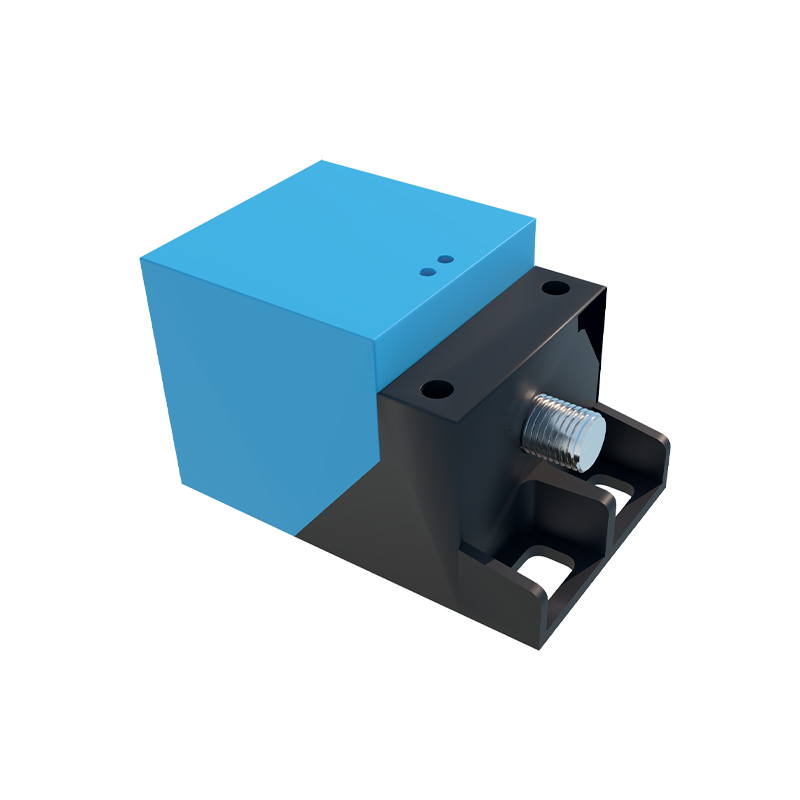
From the United States, Rockwell Automation (Allen-Bradley) provides reliable proximity sensors integrated seamlessly into their broader automation ecosystems. These sensors are favored for their compatibility with Rockwell's PLCs and control systems, offering ease of installation and maintenance in complex industrial networks.
Balluff GmbH, another German manufacturer, focuses on precision and customization. Balluff's sensors often feature modular designs and smart capabilities, such as RFID integration, which are valuable for Industry 4.0 applications requiring data exchange and flexibility.
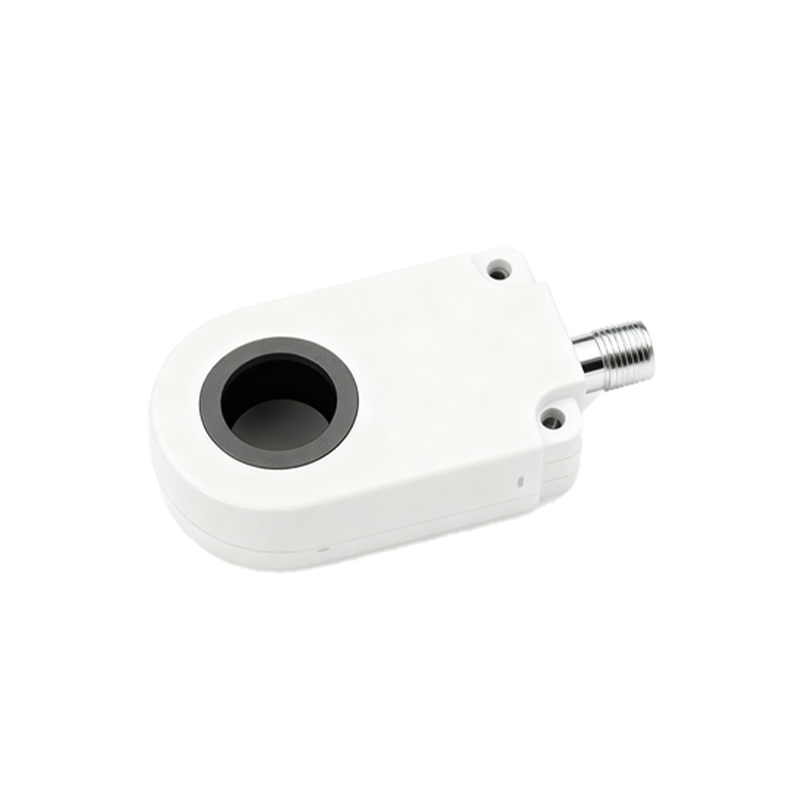
IFM Electronic, a global company with German roots, emphasizes user-friendly solutions. Their sensors are known for simple setup, diagnostic functions, and robust construction, suitable for everything from material handling to automotive assembly lines.
Turck, also from Germany, offers a broad portfolio including high-temperature and washdown-resistant sensors. Turck's products are designed for demanding environments, with options for quick connectivity via M12 connectors, reducing downtime in fast-paced industries.
Panasonic Corporation of Japan brings expertise in miniaturization and cost-effectiveness. Their proximity sensors are often used in consumer electronics and light industrial applications, providing reliable detection without breaking the budget.
Schneider Electric, a French multinational, delivers sensors that align with their energy management and automation solutions. Schneider's proximity sensors are valued for sustainability features and integration into smart grids, supporting eco-friendly operations.
Keyence Corporation, based in Japan, is renowned for high-precision sensors with advanced technologies like laser and vision-based detection. While often premium-priced, Keyence sensors offer unparalleled accuracy for specialized tasks in research and high-tech manufacturing.
Other notable brands include Carlo Gavazzi (Italy) for cost-effective solutions, Eaton (US) for rugged industrial use, and Honeywell (US) for aerospace and defense applications. Each brand brings unique advantages, whether it's innovation, durability, or niche specialization.
When selecting a proximity sensor, engineers should consider factors like sensing range, material compatibility, environmental ratings (e.g., IP67 for dust and water resistance), output types (PNP/NPN), and communication protocols. Brands like Sick and Omron often lead in R&D, pushing boundaries with IoT-ready sensors, while others like Pepperl+Fuchs focus on safety certifications.
In summary, the proximity sensor market is diverse, with brands catering to different industrial needs. By evaluating requirements against brand offerings, professionals can optimize system performance and longevity. As technology evolves, staying updated on these manufacturers' latest developments is crucial for leveraging automation advancements.