Buffer magnetic proximity sensors are essential components in modern industrial automation, offering reliable non-contact detection of metallic objects. These sensors operate based on the principle of magnetic field disturbance, utilizing a permanent magnet and a sensing element to detect the presence of ferrous materials without physical contact. In industrial settings, they are commonly integrated into machinery for position sensing, limit switching, and safety interlocks, ensuring smooth operations in harsh environments characterized by dust, moisture, or vibrations.
The core mechanism involves a magnetic circuit that is disrupted when a ferrous target enters the sensor's detection range. This change triggers an electrical signal, which can be used to control machinery or provide feedback to programmable logic controllers (PLCs). Buffer types incorporate additional circuitry to stabilize output signals, reducing noise and enhancing durability against electrical interference. This makes them ideal for applications in manufacturing, packaging, and material handling systems where precision and reliability are critical.
Key advantages of buffer magnetic proximity sensors include their robustness, long operational life, and minimal maintenance requirements. Unlike mechanical switches, they have no moving parts that can wear out, leading to reduced downtime and lower costs over time. They are typically housed in rugged enclosures rated for IP67 or higher, protecting against ingress and extreme temperatures. Installation is straightforward, often requiring only alignment with the target and connection to power and control systems.
In practice, selecting the right sensor involves considering factors such as sensing distance, output type (e.g., NPN or PNP), and environmental conditions. For instance, in conveyor systems, sensors with extended ranges may be used to detect pallets, while compact models suit tight spaces in robotic arms. Regular calibration and testing ensure optimal performance, though their solid-state design generally requires less frequent adjustments compared to optical or inductive alternatives.
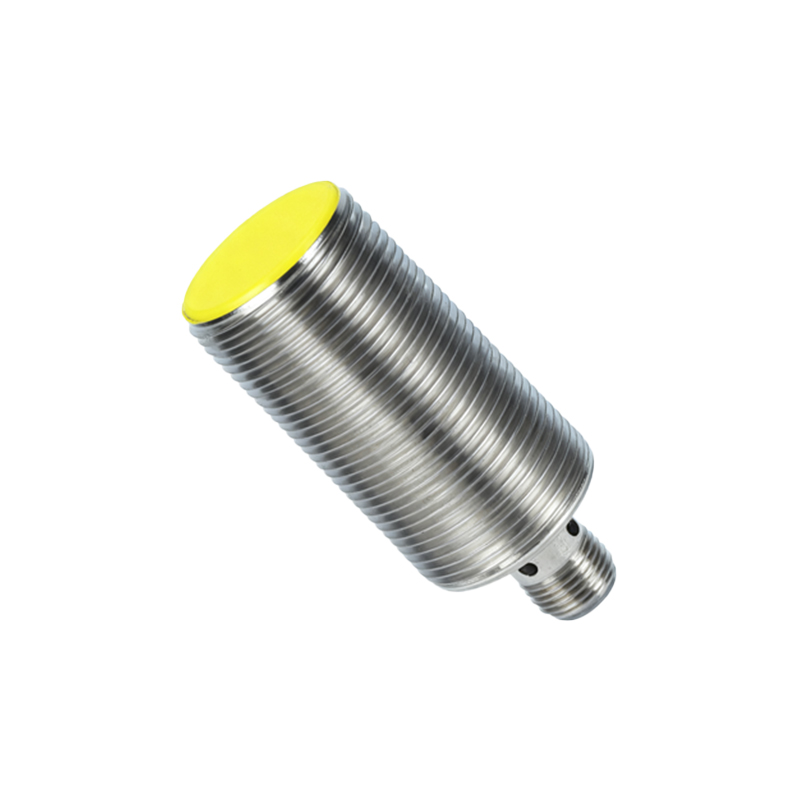
Overall, buffer magnetic proximity sensors play a pivotal role in enhancing efficiency and safety in industrial automation. Their ability to provide accurate, contactless detection under challenging conditions makes them a preferred choice for engineers seeking dependable solutions in dynamic operational landscapes.