Proximity switch speed sensors are fundamental components in modern industrial automation and machinery monitoring systems. These non-contact sensors detect the presence, absence, or position of a target object, and are crucial for measuring rotational or linear speed. Their classification is primarily based on the underlying sensing technology, which dictates their operating principles, suitable applications, and performance characteristics. The main categories include Inductive, Capacitive, Magnetic, and Photoelectric proximity sensors used for speed sensing.
Inductive proximity switches are the most prevalent type in industrial environments, especially for metallic target detection. They operate by generating an electromagnetic field. When a metallic object enters this field, it induces eddy currents within the target, causing a change in the sensor's oscillation amplitude. This change is detected and converted into a switching signal. For speed measurement, a gear or a disc with protrusions (often called an impulse wheel or encoder disc) is attached to the rotating shaft. Each passing tooth or notch alters the sensor's field, generating a pulse train. The frequency of this pulse train is directly proportional to the rotational speed. Inductive sensors are highly robust, resistant to dirt, oil, and coolant splashes, and offer long operational life. They are ideal for harsh environments but are limited to ferrous and non-ferrous metals.
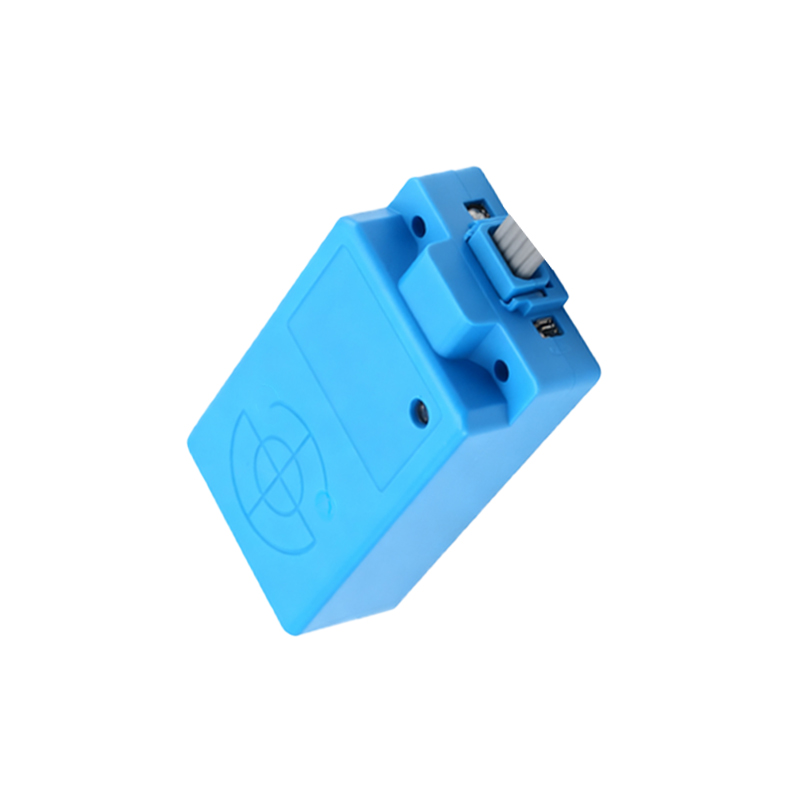
Capacitive proximity sensors can detect both metallic and non-metallic materials, such as plastics, glass, liquids, and granular substances. They function by generating an electrostatic field. Any object entering this field alters the capacitance of the sensor's circuit, triggering a state change. In speed sensing applications, they can be used with non-metallic cams or blades. However, they are more sensitive to environmental factors like humidity and dust compared to inductive types, making them less common for pure speed measurement in heavy industry, but valuable in packaging, food processing, or chemical industries where diverse materials are present.
Magnetic proximity sensors, often referred to as Hall-effect sensors, detect changes in a magnetic field. They require a permanent magnet to be mounted on the moving target, such as a shaft or a gear. As the magnet passes the sensor, the Hall element within the sensor generates a voltage pulse. Another variant is the magneto-resistive sensor. These are excellent for low-speed detection and can operate with a significant air gap. They are widely used in automotive applications (e.g., crankshaft and camshaft position sensing) and in machinery where metallic chips or conductive dust might interfere with inductive sensors. They provide consistent performance but require a magnetic target.
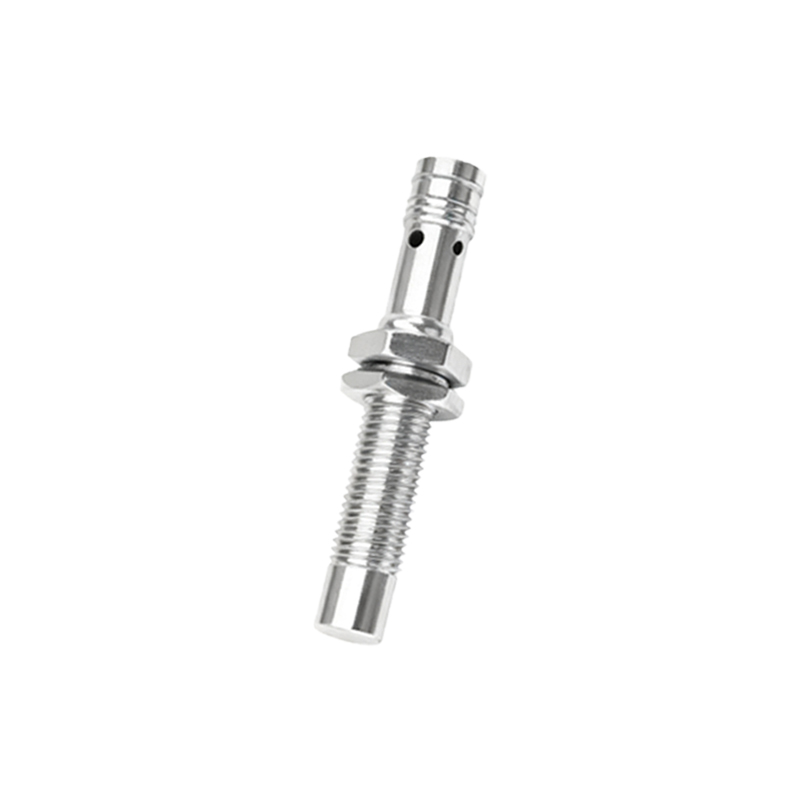
Photoelectric proximity switches utilize a light beam (usually infrared or laser) emitted from a transmitter to a receiver. The sensing mode can be through-beam, retro-reflective, or diffuse (proximity). An object interrupts or reflects the beam, causing a signal change. For speed measurement, a slotted disc or a reflective pattern on the shaft breaks the beam. Photoelectric sensors offer very high precision and can detect virtually any object regardless of material. They are suitable for high-speed applications and clean environments. However, their performance can be degraded by dirt, fog, or heavy contamination, requiring protective measures or regular maintenance.
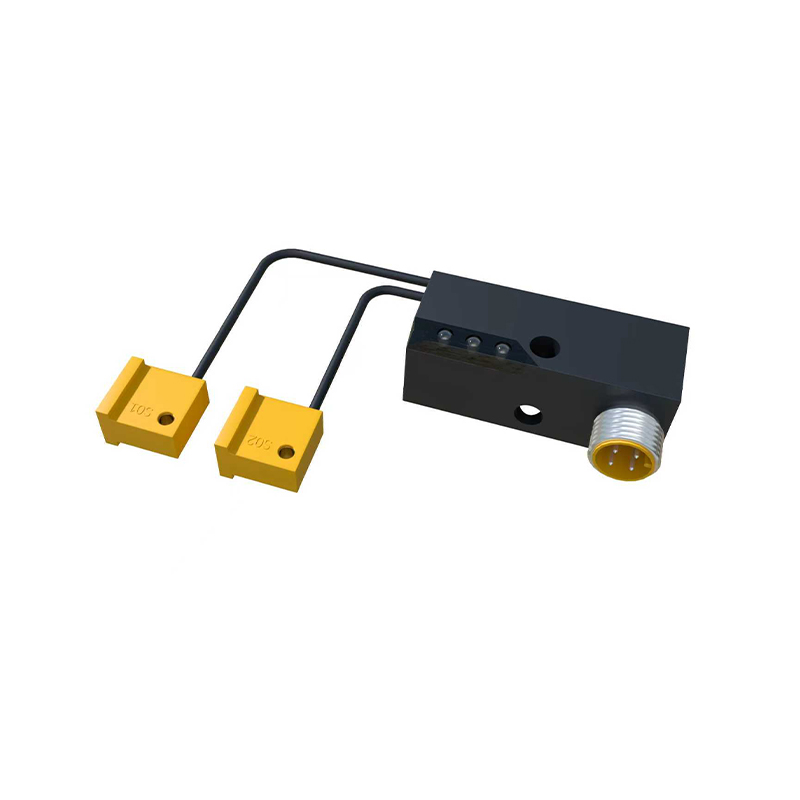
Beyond the core technology, classification for speed sensing also considers output type. Digital (switching) outputs, like NPN/PNP transistors or relay contacts, provide a simple pulse per revolution or per tooth. Analog outputs, such as 4-20 mA or 0-10 V signals, provide a voltage or current proportional to the speed, useful for continuous monitoring and control systems. Some advanced sensors integrate a microprocessor to provide processed speed data directly via fieldbus protocols like PROFIBUS, IO-Link, or Ethernet/IP.
Selection criteria depend heavily on the application. Key factors include target material, required sensing distance (air gap), environmental conditions (temperature, pressure, contaminants), response frequency (which defines maximum measurable speed), electrical requirements, mounting constraints, and required accuracy. For instance, an inductive sensor is typically chosen for a steel gear in a dirty gearbox, while a photoelectric sensor might be selected for a plastic encoder on a clean, high-speed spindle.
In summary, understanding the classification of proximity switch speed sensors—Inductive, Capacitive, Magnetic, and Photoelectric—is essential for optimal system design. Each type offers distinct advantages and limitations. The correct choice ensures reliable speed monitoring, enhances machinery safety, improves process control, and prevents costly downtime in automated industrial systems.