In the realm of industrial automation, the precise and reliable detection of pneumatic cylinder piston position is paramount for ensuring seamless machine cycles, safety, and process control. This critical function is predominantly fulfilled by proximity switch sensors, often simply called cylinder sensors or magnetic proximity switches. Their operation, elegantly simple yet robust, forms the backbone of countless automated systems. This article delves into the working principle, types, and key considerations for these indispensable components.
The fundamental principle behind a cylinder proximity switch is the detection of a magnetic field. A typical setup involves two primary components: a sensor body mounted externally on the cylinder barrel and a permanent magnet embedded within the piston. The sensor itself contains a sensing element—most commonly a reed switch or a solid-state Hall effect sensor—and associated signal conditioning circuitry.
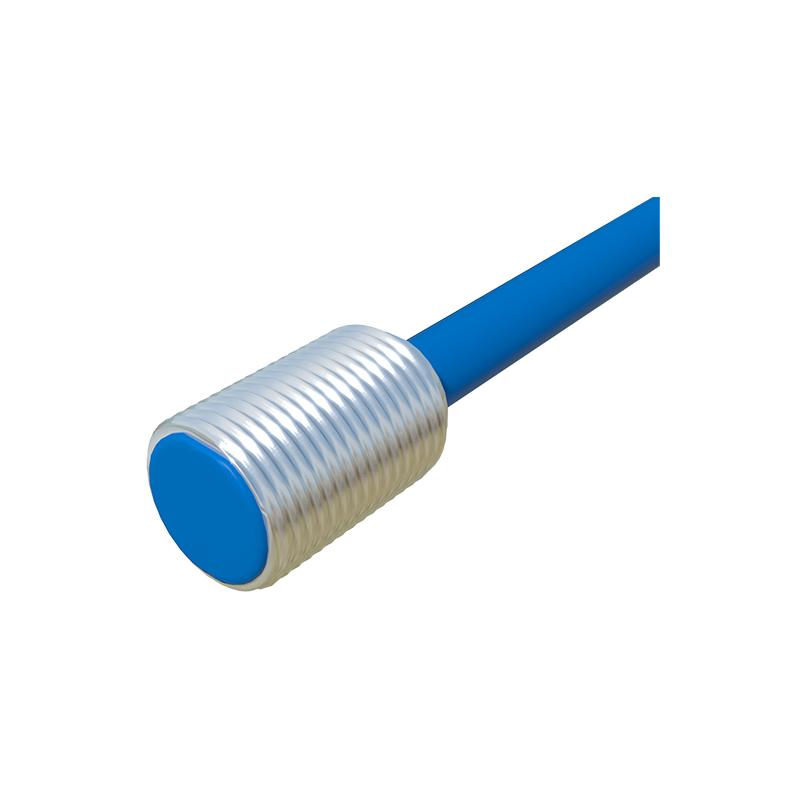
When the cylinder piston moves, the embedded magnet travels along with it. As the magnet passes within the detection range of the fixed sensor, it actuates the sensing element. In a reed switch-based sensor, the magnetic field causes the ferromagnetic reeds inside the hermetically sealed glass capsule to flex and make contact, closing an electrical circuit. In a Hall effect sensor, the magnetic field generates a voltage difference across a semiconductor material (the Hall element), which is then processed by an integrated circuit to produce a clean, switched output signal. Once the magnet moves away, the reed switch opens or the Hall effect sensor's output reverts to its original state, indicating the absence of the piston at that specific point.
This non-contact detection method offers significant advantages. There is no physical wear between the sensor and the moving piston, leading to exceptionally long service life and maintenance-free operation. The sealed design of both reed switches and solid-state sensors makes them highly resistant to contaminants like dust, oil, and moisture, which are prevalent in industrial environments. Furthermore, they provide fast response times, capable of detecting piston position at high cycling speeds.
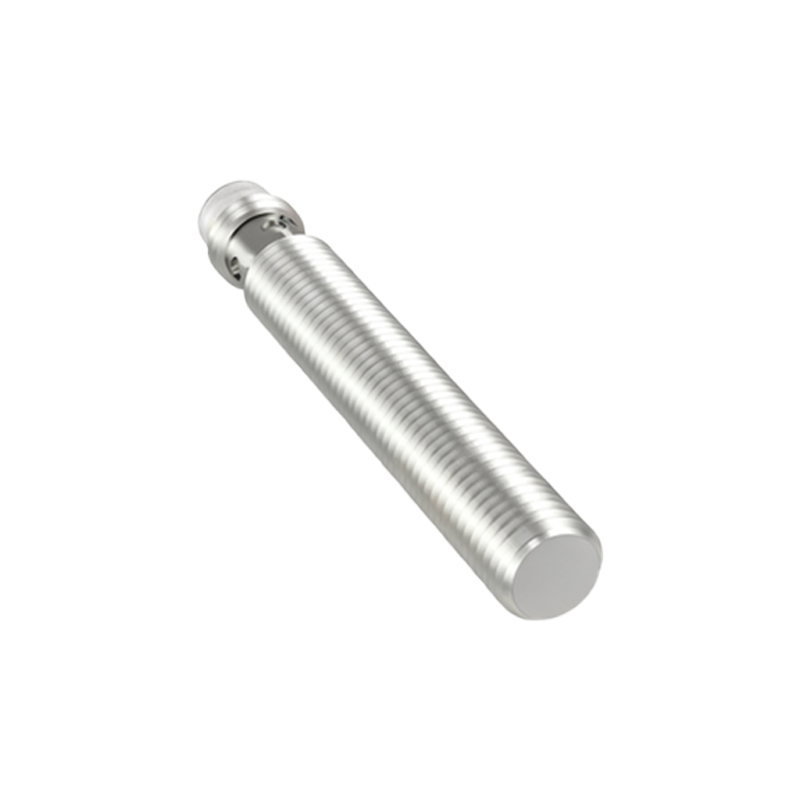
Several key types of cylinder proximity sensors are available, differentiated by their output configuration and sensing technology. The main categories include:
1. Reed Switch (Passive) Sensors: These are two-wire devices that function like a simple switch. They require no separate power supply for the switching element itself but are often used with a monitoring PLC input module that provides a sensing current. They are known for their simplicity and low cost.
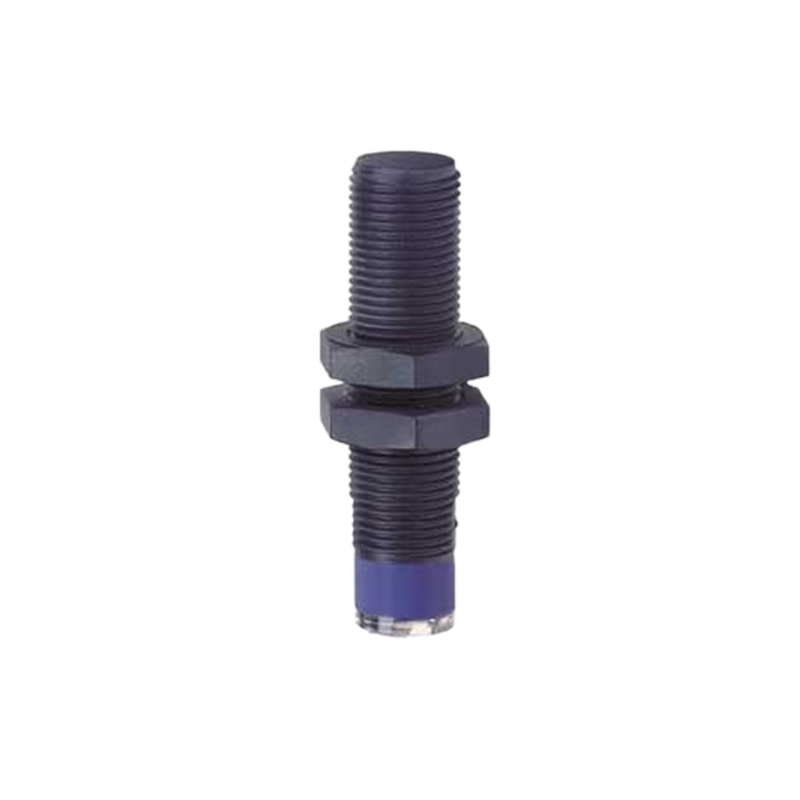
2. DC 3-Wire Sensors (NPN or PNP): These are active, solid-state sensors, typically using Hall or magnetoresistive technology. They require a separate DC power supply. NPN (sinking) and PNP (sourcing) outputs define how the load (e.g., a PLC input) is connected. They provide a stable, digitally switched signal with excellent repeat accuracy.
3. Namur Sensors: These are intrinsically safe, two-wire sensors designed for hazardous areas. Their output is a small current change (typically switching between ~1mA and ~10mA), which must be interpreted by a specialized amplifier/barrier, making them ideal for chemical or petrochemical applications.
Selecting the right sensor involves careful consideration of several factors beyond just the output type. The cylinder material is crucial; standard sensors work with non-magnetic barrels (aluminum, stainless steel). For cylinders with magnetic barrels (e.g., certain steel types), sensors with significantly increased sensing distances or specialized designs are required. Voltage and current ratings must match the control system. Electrical connection styles, such as pre-wired cables, quick-disconnect M8 or M12 connectors, and housing form factors (e.g., rectangular, cylindrical, or limit-switch style) must suit the mounting constraints. IP (Ingress Protection) rating, such as IP67, ensures durability against washdowns or harsh conditions. Finally, the switching distance must be specified, ensuring reliable detection even with manufacturing tolerances and thermal expansion of the cylinder.
Installation and alignment are straightforward but critical. The sensor is typically clamped into a mounting groove on the cylinder or affixed with a bracket. Precise axial alignment with the path of the piston magnet is necessary for maximum sensing distance. Many sensors feature LED indicators for easy commissioning and diagnostics, confirming the switching state at a glance.
In application, these sensors are used for end-position detection (confirming fully extended or retracted states), mid-stroke position verification, and sequencing control. Their feedback is essential for PLCs to proceed to the next step in an automated sequence, trigger tooling actions, or initiate safety interlocks. From packaging machinery and automotive assembly lines to material handling systems, cylinder proximity switches provide the critical "eyes" for pneumatic motion control.
In conclusion, cylinder proximity switch sensors are a mature, highly reliable technology based on magnetic field sensing. Understanding the principles behind reed and Hall effect technologies, along