In the realm of industrial automation and control systems, proximity sensors play a pivotal role in enabling non-contact detection of objects. Among the various types available, AC two-wire proximity sensors stand out for their simplicity, reliability, and direct integration capabilities with alternating current (AC) power systems. This article delves into the fundamental principles, typical applications, and key considerations for selecting and implementing these essential components.
At its core, an AC two-wire proximity sensor operates on the principle of electromagnetic induction. The sensor generates an alternating electromagnetic field from its active face. When a metallic target object enters this field, eddy currents are induced on the target's surface. These eddy currents cause a change in the oscillation amplitude or frequency within the sensor's internal LC resonant circuit. This change is detected and processed by the sensor's circuitry, ultimately triggering a switching action. The defining characteristic of the "two-wire" design is that the same two wires are used for both supplying the operating power (typically 90-250V AC) and carrying the output switching signal. This eliminates the need for a separate output wire or an external power supply dedicated to the sensor's electronics, simplifying wiring significantly.
The output stage of an AC two-wire sensor typically utilizes a solid-state switching element, such as a thyristor (SCR) or a bidirectional triode thyristor (TRIAC). In the "normally open" (NO) configuration, the switch remains off (high impedance) when no target is present. Upon detection, the switch turns on (low impedance), allowing current to flow through the load connected in series with the sensor. It is crucial to note that a minimum "leakage current" (usually a few milliamperes) flows through the sensor even in the off-state to power its internal electronics. Therefore, the connected load must have a minimum current draw to prevent false triggering and ensure proper sensor operation. Conversely, the load current must not exceed the sensor's maximum switching current rating.
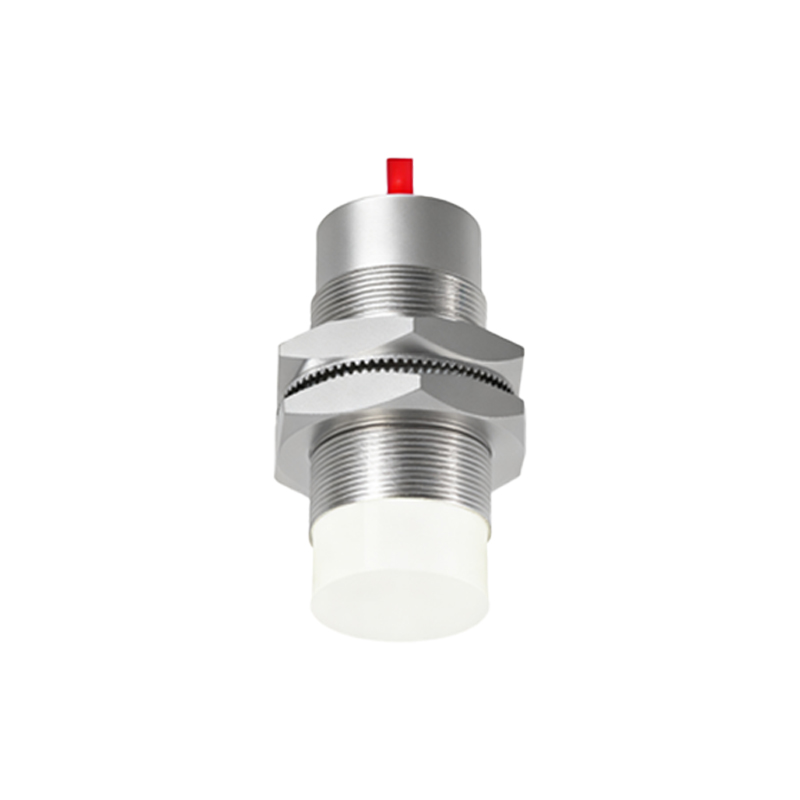
The advantages of AC two-wire proximity sensors are numerous. Their simple two-wire connection drastically reduces installation time, material costs, and potential wiring errors compared to three-wire or four-wire DC sensors. They offer high switching speeds suitable for many industrial counting and positioning tasks. Being designed for standard AC mains voltages, they integrate seamlessly into existing AC control panels and circuits without requiring DC power supplies. Furthermore, they are generally robust, resistant to electrical noise common in industrial environments, and often feature sturdy housings (e.g., M12, M18, M30 threaded barrels) with high protection ratings (IP67, IP69K) for durability in harsh conditions.
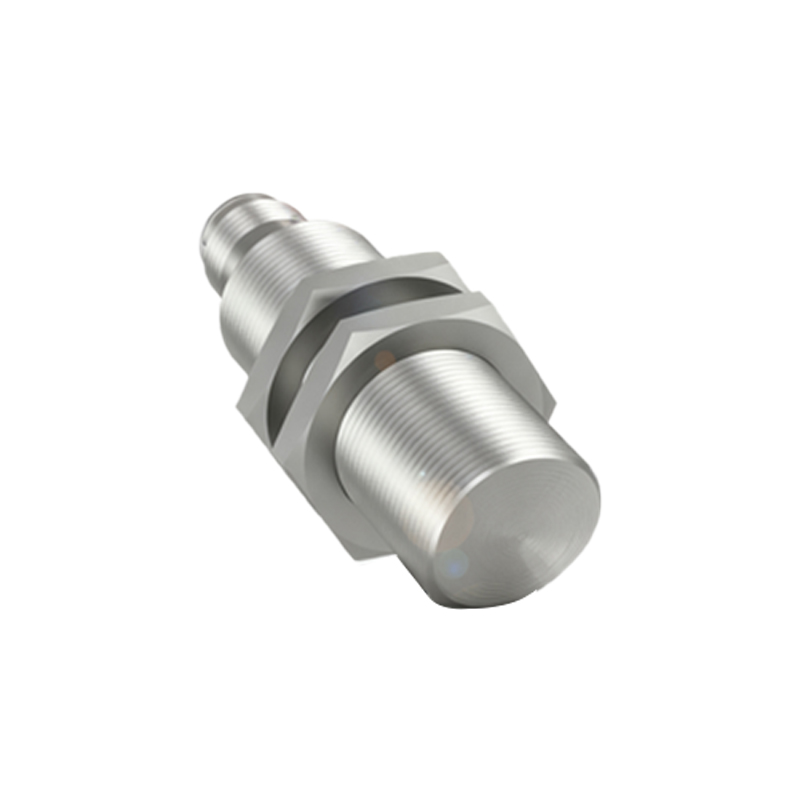
Typical applications for these sensors are widespread across manufacturing. They are extensively used for presence detection of metal parts on conveyor lines, in machine tools for tool positioning or workpiece detection, in packaging machinery for cap or label verification, and in automotive assembly for robotic end-effector positioning. Their ability to directly switch AC loads like contactor coils, solenoid valves, or indicator lamps makes them versatile for control logic implementation.
Selecting the appropriate AC two-wire proximity sensor requires careful analysis of several parameters. First, the operating voltage range must match the available AC supply (e.g., 120V AC or 240V AC). The sensing distance, specified by the manufacturer for a standard target, must be sufficient for the application, considering factors like target material (steel, aluminum, brass), size, and approach direction. The sensor's housing material (often nickel-plated brass or stainless steel) and shape (cylindrical, rectangular, slot-type) must suit the mechanical and environmental constraints. The output current rating must comfortably handle the inrush and holding current of the connected load. Additionally, considerations for short-circuit protection, output status indication (LED), and temperature range are vital for reliable long-term operation.
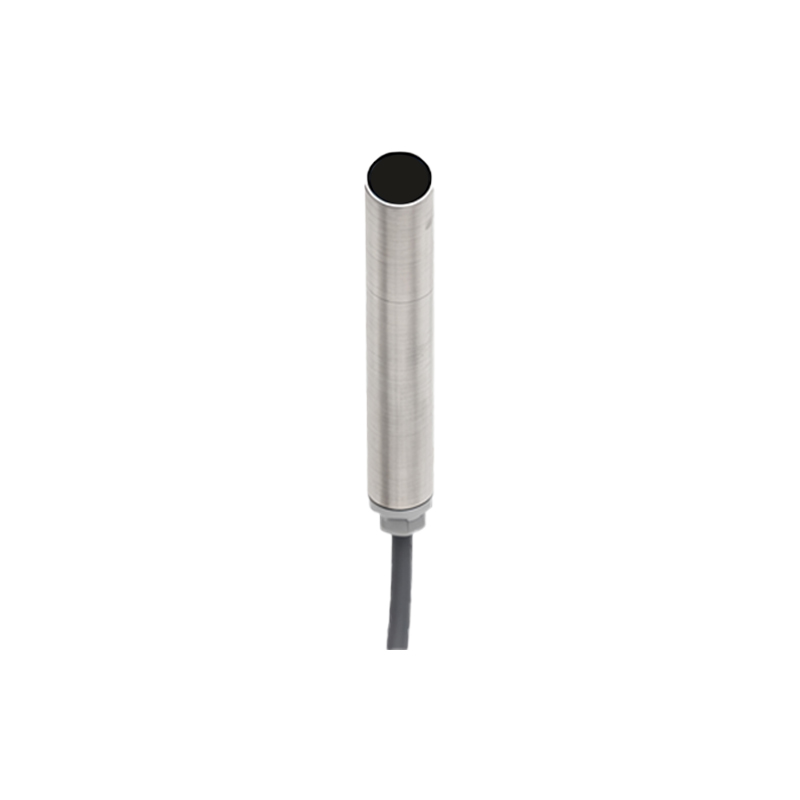
In conclusion, AC two-wire proximity sensors represent a mature, efficient, and cost-effective solution for metallic object detection in AC-powered industrial environments. Their straightforward design belies their critical importance in creating responsive, automated systems. A thorough understanding of their operating principles, alongside a meticulous selection process based on electrical and mechanical requirements, ensures optimal performance and contributes to enhanced productivity and system reliability.