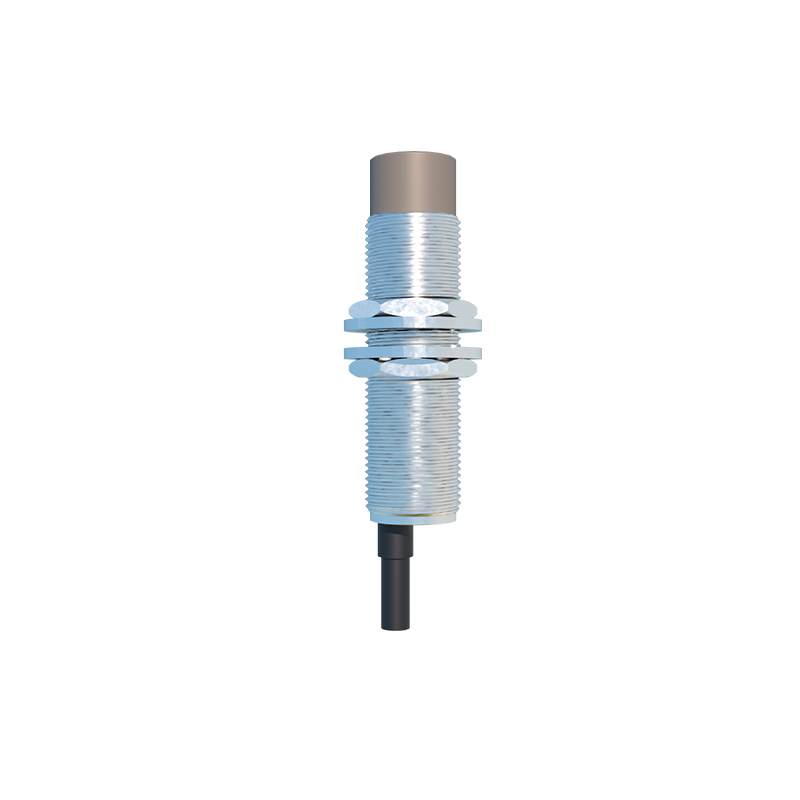
In the complex operational environment of Destiny 2, proximity sensor alarms represent a critical, yet often under-analyzed, subsystem within a Guardian's broader sensor suite. From an engineering perspective, these alarms are not mere audio-visual cues but sophisticated trigger mechanisms integrated into environmental control and threat assessment systems. Their primary function is to bridge the gap between passive environmental scanning and active combat readiness, providing a crucial window for tactical repositioning or pre-emptive action.
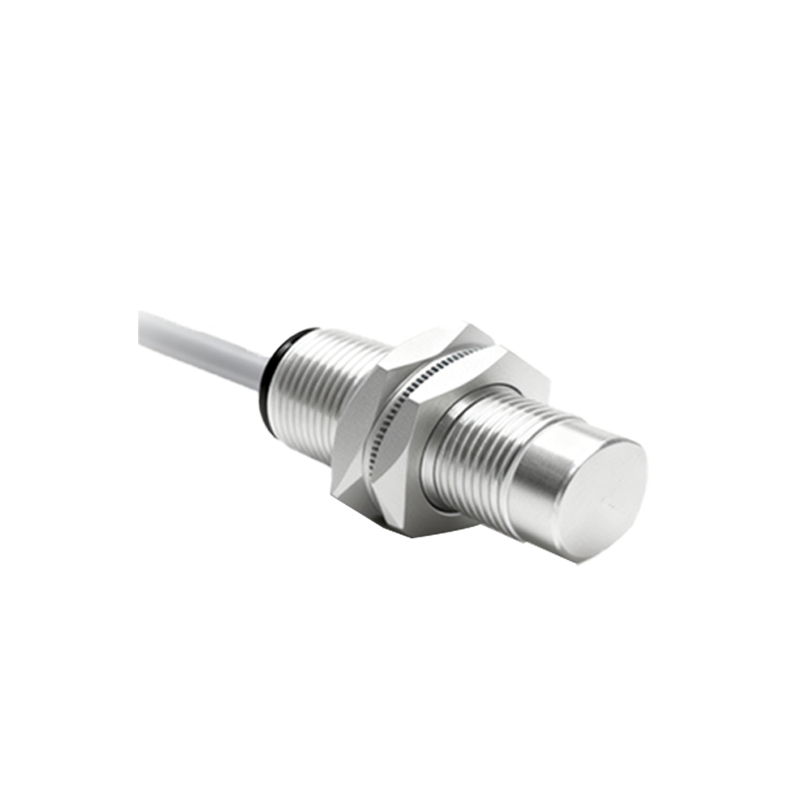
The core operational principle mimics real-world ultrasonic or infrared proximity detection. A localized sensor field, often tied to a specific zone, object, or enemy type, establishes a defined perimeter. Unauthorized breach—typically by a player character—triggers the alarm state. The system's elegance lies in its contextual output. The alarm is rarely a simple binary signal; its characteristics—pitch, rhythm, persistence—are modulated by the nature of the trigger source. A sensor tied to a dormant security system emits a distinct, rhythmic pattern, often escalating in frequency as one approaches the core mechanism. In contrast, alarms linked to high-value targets or imminent environmental hazards, such as a minefield or a collapsing structure, produce a more urgent, continuous, or staccato tone designed to trigger an immediate physiological stress response in the operator.
Integration with the game's architecture is multifaceted. On a macro level, these sensors are key components in mission flow control. They act as soft gates, signaling the transition from exploration to engagement or warning of a point-of-no-return in a strike or raid. Their activation can script enemy spawns, initiate lockdown sequences on doors, or trigger the countdown for a defensive objective. This makes them a fundamental tool for pacing and directing player movement without resorting to invisible walls.
From a micro-level, combat-engineering standpoint, the alarms serve as force multipliers for both the player and the enemy. For the player, a triggered alarm provides actionable intelligence: it confirms the presence of a threat, often gives directional cues, and defines a threat bubble. A skilled Guardian uses this data to choose engagement angles, deploy area-denial grenades like Vortex or Spike Grenades pre-emptively, or switch to weapons suited for the anticipated enemy type (e.g., a shotgun for close-quarters breaches signaled by a sudden alarm). Conversely, enemy factions use these systems defensively. A triggered alarm in a Fallen Ketch or a Vex network can summon reinforcements, activate automated turrets, or cause Scorn Ravagers to launch their incendiary projectiles toward the sensor's location, effectively using the alarm as a targeting beacon.
The system's reliability, however, is not absolute—a deliberate design choice that introduces a layer of skill and knowledge. Sensor fields have blind spots, often related to verticality or specific approach vectors. A Hunter's stealth capability or a Warlock's glide from an unexpected elevation can sometimes bypass the trigger threshold. Furthermore, certain environmental conditions, like the electrical interference in the Arc-infused areas of the European Dead Zone or the paracausal distortion near Taken portals, can cause sensor ghosting—false triggers or delayed responses. Understanding these failure modes is part of advanced tactical training.
Optimizing response to these alarms is a hallmark of an experienced fireteam. Standard operating procedure involves immediate communication upon trigger ("Sensor active, left flank!"), followed by rapid environmental assessment. The team must discern whether the alarm precedes a direct assault, a trap, or a simple environmental hazard. In high-difficulty activities like Grandmaster Nightfalls or Master Raids, ignoring or misinterpreting a proximity alarm can lead to a full team wipe. Therefore, engineers—or players adopting an engineering mindset—learn to map sensor locations, memorize their trigger radii, and incorporate their activation into a fluid combat rhythm. The ultimate goal is to move from reactive response to predictive control, using the alarm not as a surprise but as a confirmed step in a planned engagement.