Proximity sensors are a cornerstone of modern industrial automation, offering non-contact detection of objects within a defined sensing range. These devices are critical for ensuring safety, enhancing efficiency, and enabling precise control in manufacturing and process environments. Unlike mechanical limit switches, proximity sensors operate without physical contact, eliminating mechanical wear and tear and significantly increasing their operational lifespan. This article delves into the core principles, primary types, and key applications of these ubiquitous industrial sensors.
The fundamental working principle of most industrial proximity sensors involves generating an electromagnetic field or a beam of radiation. When a target object enters this field, it causes a detectable change in the sensor's state. The most common technologies include Inductive, Capacitive, Ultrasonic, and Photoelectric sensors.
Inductive proximity sensors are the workhorses for metal detection. They generate an oscillating electromagnetic field from a coil. When a ferrous or non-ferrous metal object enters this field, it induces eddy currents within the target, which dampens the oscillation. The sensor's circuitry detects this damping and triggers a solid-state output switch. These sensors are ideal for harsh environments, resistant to dust, oil, and coolant, and are extensively used for position sensing of machine parts, gear tooth detection, and end-of-travel limits.
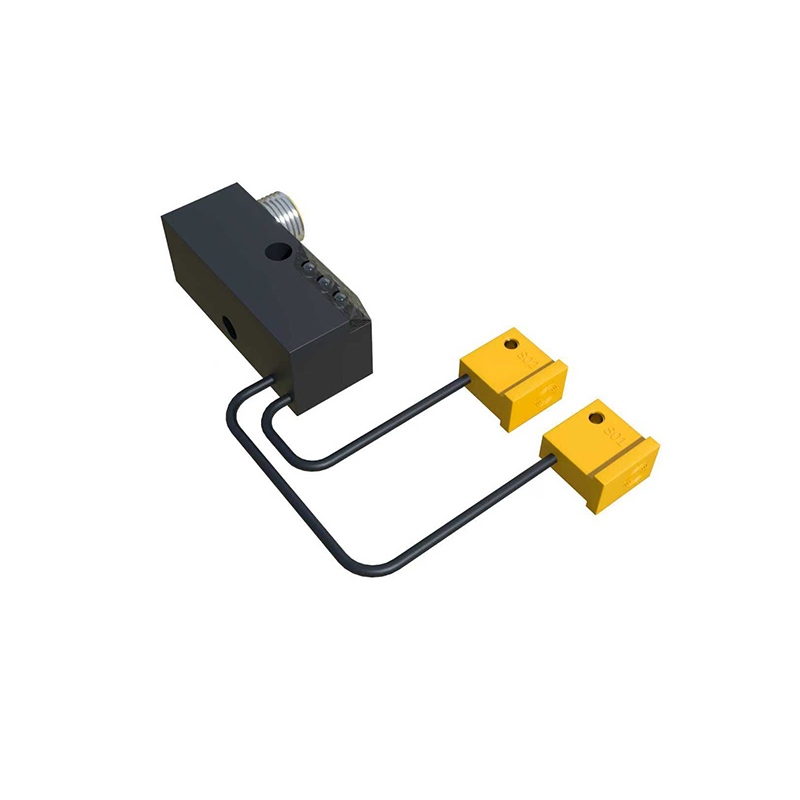
Capacitive proximity sensors can detect both metallic and non-metallic materials, including liquids, plastics, wood, and granules. They function by generating an electrostatic field. The presence of any material with a dielectric constant different from air alters the capacitance of the sensor's circuit, triggering the output. This makes them perfect for level detection in tanks (liquid or solid), material handling verification, and detecting non-metallic objects on conveyor lines.
Photoelectric sensors utilize light, typically infrared or laser, to detect objects. They consist of an emitter and a receiver. The three main operating modes are through-beam (separate emitter and receiver), retro-reflective (with a reflector), and diffuse (reflective). An object interrupts or reflects the light beam, causing a state change. They offer long sensing ranges and are excellent for detecting small objects, transparent materials, and for precise positioning where physical contact is impossible.
Ultrasonic sensors operate by emitting high-frequency sound waves and measuring the time for the echo to return. They are highly effective for distance measurement, level sensing of bulk solids or liquids, and detecting objects regardless of color, transparency, or material composition. They perform well in environments with dust, smoke, or light interference where photoelectric sensors might fail.
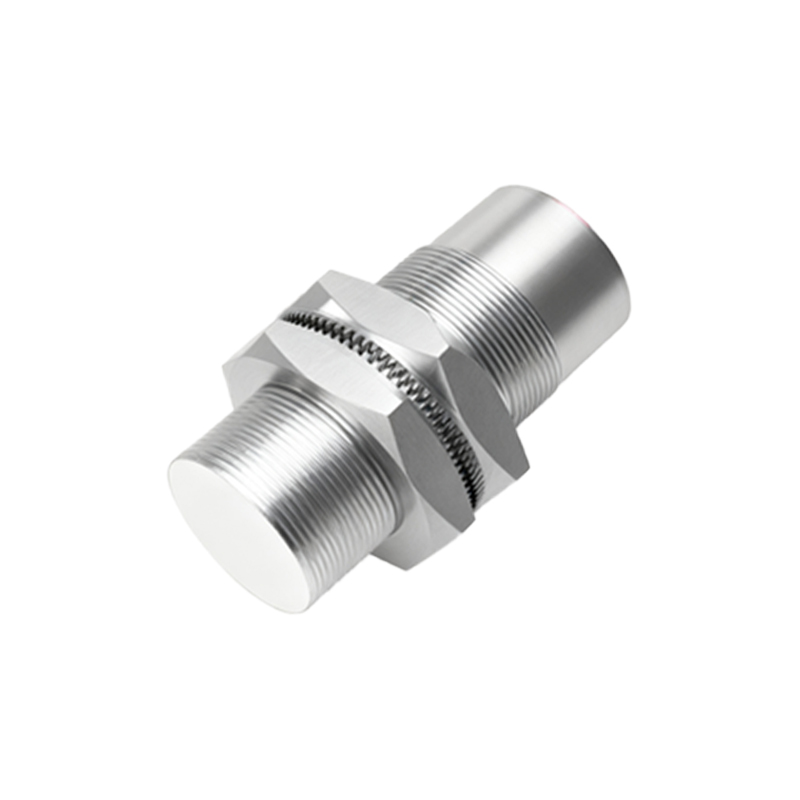
Key selection criteria for engineers include sensing distance, target material, environmental conditions (IP rating, temperature), output type (PNP/NPN, analog, IO-Link), and mounting requirements. Proper installation is crucial; factors like sensor flush-mounting, mutual interference between multiple sensors, and the influence of surrounding metal must be considered.
Applications are vast. On assembly lines, they count products and verify presence. In robotics, they provide precise positioning for grippers. They ensure safety as part of machine guarding systems. In automotive manufacturing, thousands of proximity sensors control welding robots, part placement, and paint shop automation. They monitor fill levels in food & beverage and pharmaceutical industries, ensuring process consistency and hygiene.
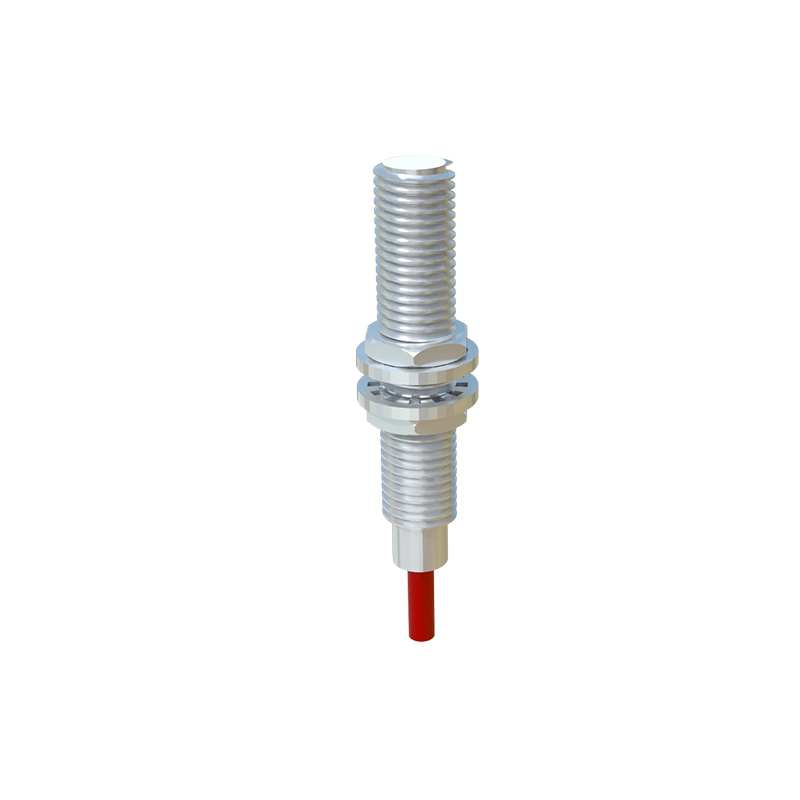
The evolution continues with smart sensors featuring integrated diagnostics, IO-Link communication for parameterization and data exchange, and enhanced resistance to electromagnetic interference. The trend is towards miniaturization, longer sensing ranges, and greater intelligence, enabling predictive maintenance and deeper integration into Industrial Internet of Things (IIoT) architectures.
In conclusion, proximity sensors are indispensable for automated systems. Selecting the correct sensor technology—inductive, capacitive, photoelectric, or ultrasonic—based on the specific application requirements is fundamental to designing reliable, efficient, and safe industrial processes. Their non-contact nature ensures durability and minimal maintenance, solidifying their role as a primary enabler of modern industrial productivity.