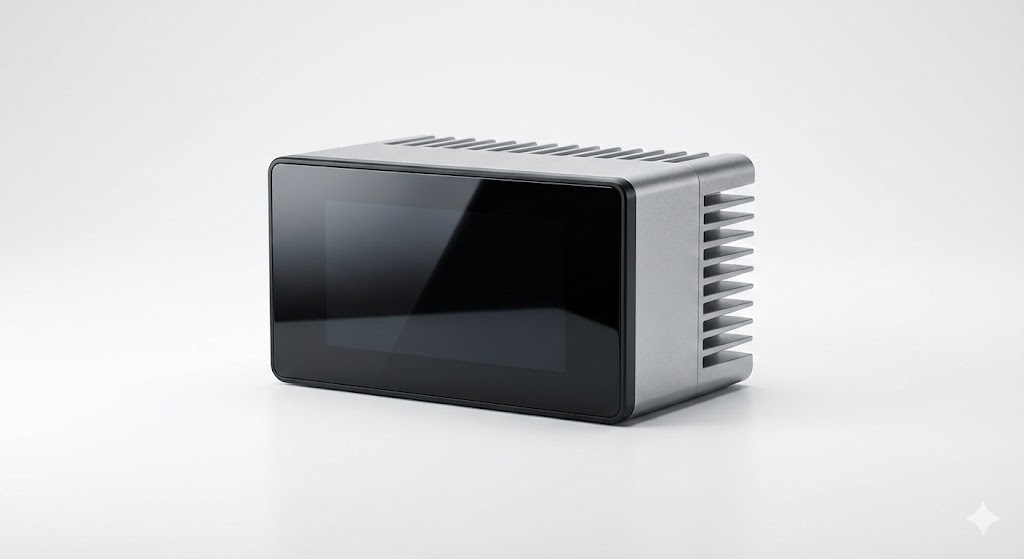
Laser sensor probes represent a pivotal technology in modern industrial automation, offering unparalleled precision in non-contact measurement and detection. These devices operate by emitting a focused laser beam toward a target object and analyzing the reflected light to determine distance, displacement, position, or presence. The core principle relies on time-of-flight, triangulation, or interferometry methods, each suited to specific accuracy and range requirements. In manufacturing environments, laser probes are indispensable for quality control, enabling micron-level inspections of component dimensions, surface profiles, and alignment. Their high-speed response and immunity to electromagnetic interference make them ideal for harsh settings like welding lines, assembly robots, and material handling systems.
A key advantage of laser sensor probes is their versatility. Depending on the configuration, they can measure transparent, opaque, or reflective surfaces, with advanced models compensating for ambient light or color variations. For instance, in automotive assembly, laser probes verify gap tolerances between body panels, while in electronics, they ensure precise placement of microchips. The integration of these probes with PLCs and IoT platforms facilitates real-time data analytics, predictive maintenance, and adaptive process control. However, selecting the appropriate probe requires careful consideration of factors such as measurement range, spot size, resolution, and environmental conditions like dust, temperature fluctuations, or vibrations.
Recent advancements include the development of compact, energy-efficient probes with embedded intelligence, capable of self-calibration and error compensation. Fiber-optic laser probes, for example, allow measurements in confined or hazardous spaces by separating the sensing head from the electronics. Despite their robustness, users must adhere to safety standards, particularly Class 2 or higher laser classifications, to prevent ocular hazards. Regular calibration against certified references is essential to maintain accuracy over time. As Industry 4.0 evolves, laser sensor probes are increasingly coupled with AI algorithms for anomaly detection, enhancing their role in smart factories. Their continued innovation promises further miniaturization, cost reduction, and enhanced connectivity, solidifying their status as a cornerstone of precision engineering.