Laser tracking vision sensors represent a significant leap forward in industrial automation, offering unparalleled precision and flexibility for a wide range of applications. These sophisticated systems combine laser triangulation, high-speed cameras, and advanced algorithms to perform real-time, non-contact measurement and tracking of objects in three-dimensional space. Unlike traditional fixed sensors, laser tracking vision sensors dynamically follow moving targets, making them indispensable in complex manufacturing environments such as automotive assembly, aerospace component alignment, and robotic guidance.
The core technology behind these sensors is laser triangulation. A laser emitter projects a structured light pattern—often a point, line, or grid—onto the target object. A high-resolution camera, positioned at a known angle relative to the laser, captures the deformation of this pattern. By analyzing the displacement of the laser points in the camera's field of view, the sensor's onboard processor calculates the exact three-dimensional coordinates of the target with micron-level accuracy. This process occurs at extremely high speeds, often exceeding thousands of measurements per second, enabling real-time tracking even for rapidly moving objects.
One of the most critical advantages of laser tracking vision sensors is their adaptability. In robotic applications, they provide closed-loop feedback, allowing robots to adjust their path in real-time to compensate for part variations, thermal drift, or mechanical inaccuracies. This capability is crucial for tasks like precision welding, adhesive dispensing, and intricate part assembly, where tolerances are exceptionally tight. Furthermore, these sensors facilitate seamless human-robot collaboration by ensuring the robot is constantly aware of the operator's position and movements, enhancing both safety and efficiency.
In quality control and inspection, laser tracking vision systems excel at verifying dimensional accuracy and detecting surface defects. They can scan complex geometries, such as turbine blades or vehicle body panels, and compare the captured 3D point cloud data against a digital CAD model. Any deviations beyond predefined thresholds are instantly flagged, allowing for immediate corrective action and significantly reducing scrap rates. This non-destructive testing method preserves product integrity while ensuring the highest quality standards.
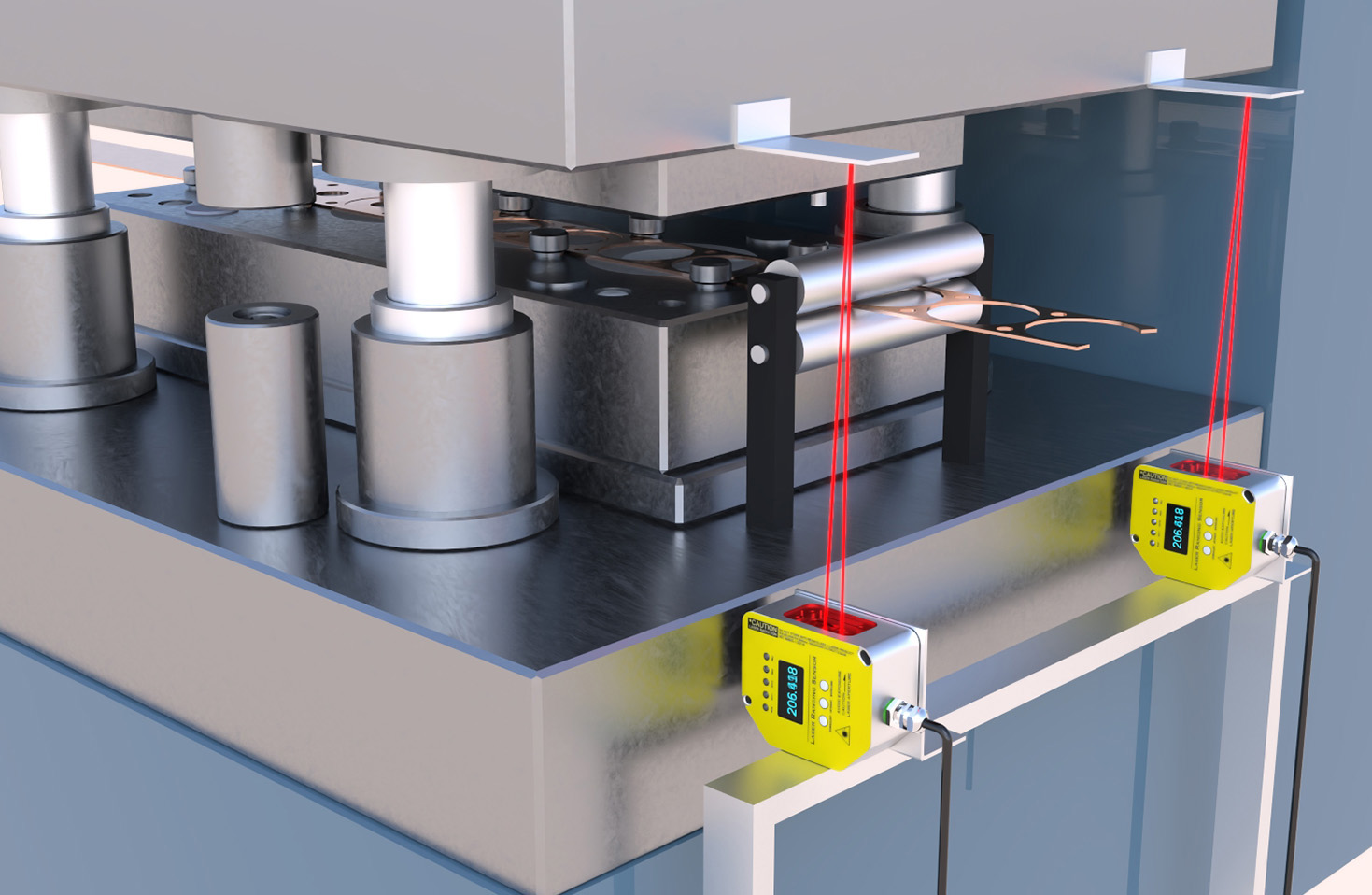
The integration of artificial intelligence and machine learning is pushing the boundaries of what these sensors can achieve. Modern systems can now learn from historical data to predict potential errors, optimize tracking algorithms for specific materials or surface finishes, and even classify objects based on their shape or orientation autonomously. This intelligence reduces setup time and allows the system to handle greater variability in production lines without manual reconfiguration.
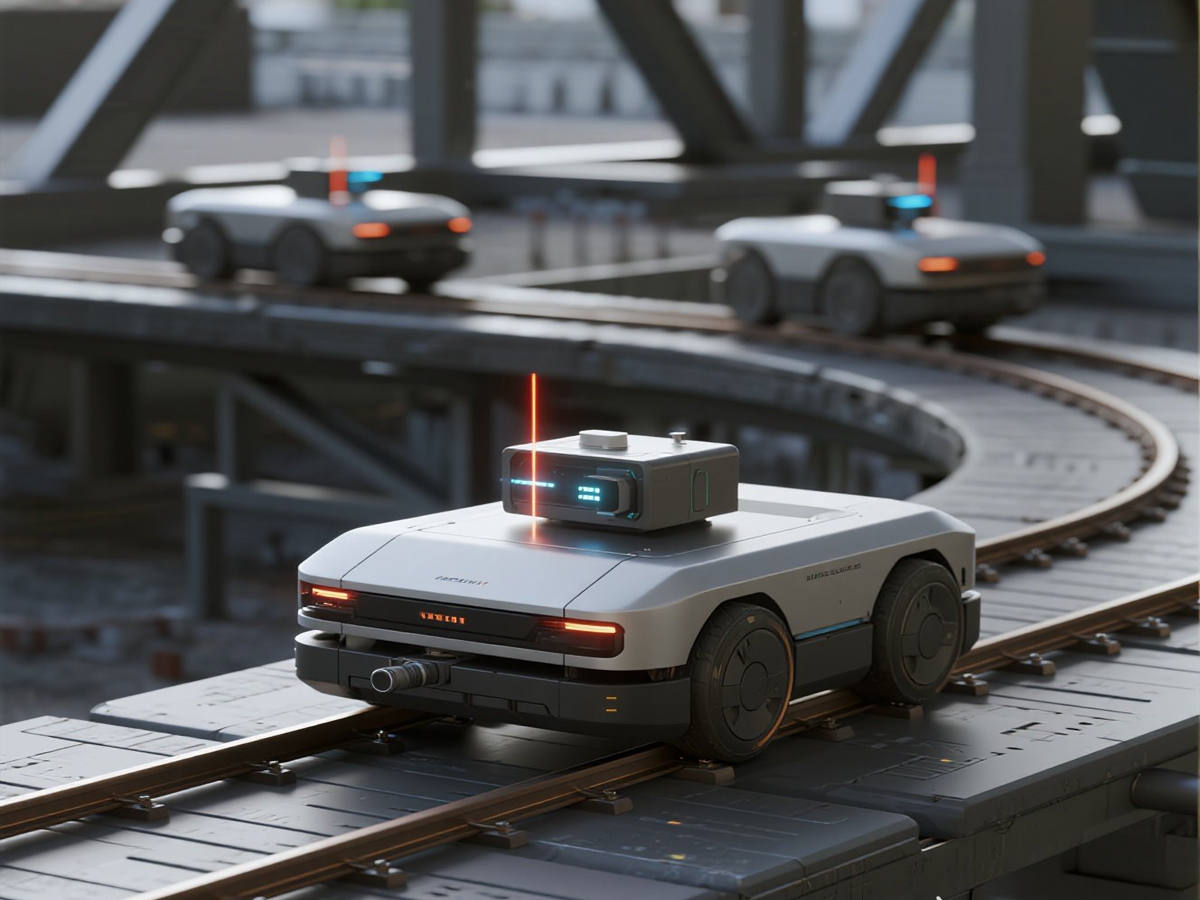
Despite their advanced capabilities, implementing laser tracking vision sensors requires careful consideration. Factors such as ambient lighting, surface reflectivity, and environmental vibrations can influence measurement accuracy. Therefore, proper calibration, shielding from stray light, and mounting on stable platforms are essential. Additionally, the choice between a single sensor for simpler tasks or a multi-sensor network for large-volume scanning depends on the specific application requirements and workspace constraints.
Looking ahead, the future of laser tracking vision sensors is closely tied to the evolution of Industry 4.0 and smart factories. Enhanced connectivity through Industrial Internet of Things (IIoT) protocols will enable these sensors to communicate seamlessly with other machines and central control systems, creating a fully integrated, data-driven production ecosystem. This will lead to predictive maintenance schedules, optimized production flows, and unprecedented levels of automation.
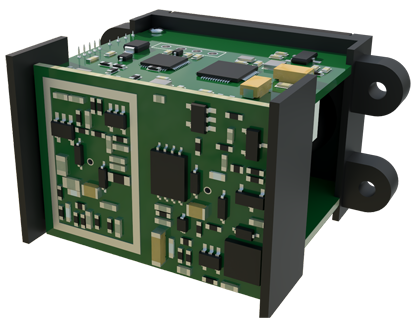
In conclusion, laser tracking vision sensors are transformative tools that bridge the gap between static measurement and dynamic, intelligent automation. Their ability to deliver high-precision, real-time 3D data empowers industries to achieve new levels of efficiency, quality, and flexibility. As technology continues to advance, these sensors will undoubtedly become even more capable, solidifying their role as a cornerstone of modern industrial innovation.