Unmanned laser detection sensors represent a pinnacle of innovation in industrial sensing technology, fundamentally transforming automation, safety protocols, and operational efficiency. These sophisticated devices operate by emitting laser beams and analyzing the reflected light to detect the presence, distance, position, or profile of objects with exceptional precision. Unlike traditional mechanical or ultrasonic sensors, laser sensors offer non-contact measurement, high-speed response, and remarkable accuracy, even in challenging environments with dust, vapor, or variable lighting conditions.
The core technology hinges on principles like time-of-flight (ToF), triangulation, or phase-shift measurement. In Time-of-Flight systems, the sensor calculates distance by measuring the time interval between the emission of a laser pulse and the reception of its reflection. This method is ideal for long-range detection, often used in autonomous vehicle navigation and large-scale warehouse logistics for obstacle avoidance and inventory management. Triangulation-based sensors, on the other hand, are masters of short-range, high-precision tasks. By projecting a laser spot onto a target and using a receiving lens at a known angle to focus the reflected light onto a position-sensitive detector, they can determine minute changes in distance or surface contour. This makes them indispensable in robotics for precise part positioning, in semiconductor manufacturing for wafer inspection, and in quality control for measuring thickness or deformation.
The integration of these sensors into unmanned systems—such as autonomous mobile robots (AMRs), drones, and fully automated production lines—has been a game-changer. In smart factories, laser sensors guide robotic arms for assembly and welding, ensure accurate pick-and-place operations, and monitor conveyor belts for jams or misplaced items. Their ability to create detailed 2D or 3D point cloud maps enables AGVs (Automated Guided Vehicles) to navigate complex, dynamic spaces safely without predefined tracks, adapting their path in real-time to avoid collisions with personnel or other equipment.
Beyond manufacturing, the applications are vast. In the energy sector, drones equipped with laser sensors perform remote inspections of power lines, wind turbine blades, and pipeline networks, identifying cracks, corrosion, or thermal anomalies from a safe distance, thereby reducing human risk in hazardous environments. In agriculture, unmanned ground vehicles use laser-based LiDAR (Light Detection and Ranging) for terrain mapping and crop health assessment, enabling precision farming. For public safety and security, these sensors form the perception layer of intrusion detection systems and perimeter monitoring, capable of distinguishing between humans, animals, and inanimate objects to minimize false alarms.
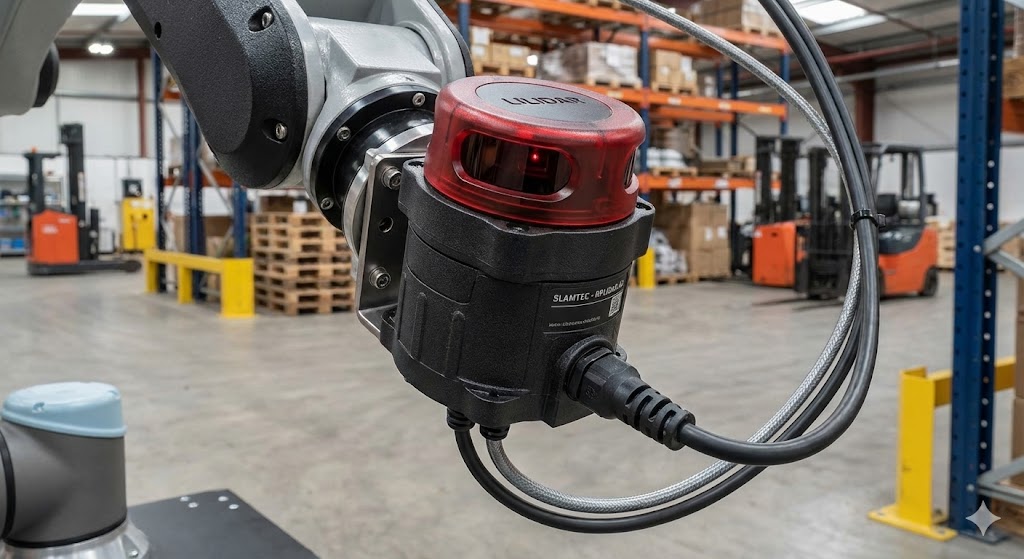
The advantages are compelling: unparalleled accuracy down to micrometer levels, high sampling rates for dynamic processes, and robust performance where other sensors fail. However, challenges persist. Factors like ambient light interference, particularly direct sunlight, highly reflective or absorbent surfaces, and atmospheric conditions (fog, rain) can affect performance. Modern sensors combat these issues with advanced filtering algorithms, adaptive power output, and multi-echo evaluation technology that can distinguish between the true target signal and background noise.
Looking ahead, the convergence of laser sensing with artificial intelligence and edge computing is setting the stage for the next leap. AI-enhanced sensors can not only detect objects but also classify them, predict trajectories, and make autonomous decisions. The miniaturization of components and reduction in cost are also making this technology more accessible, paving the way for broader adoption in consumer electronics and smart infrastructure.
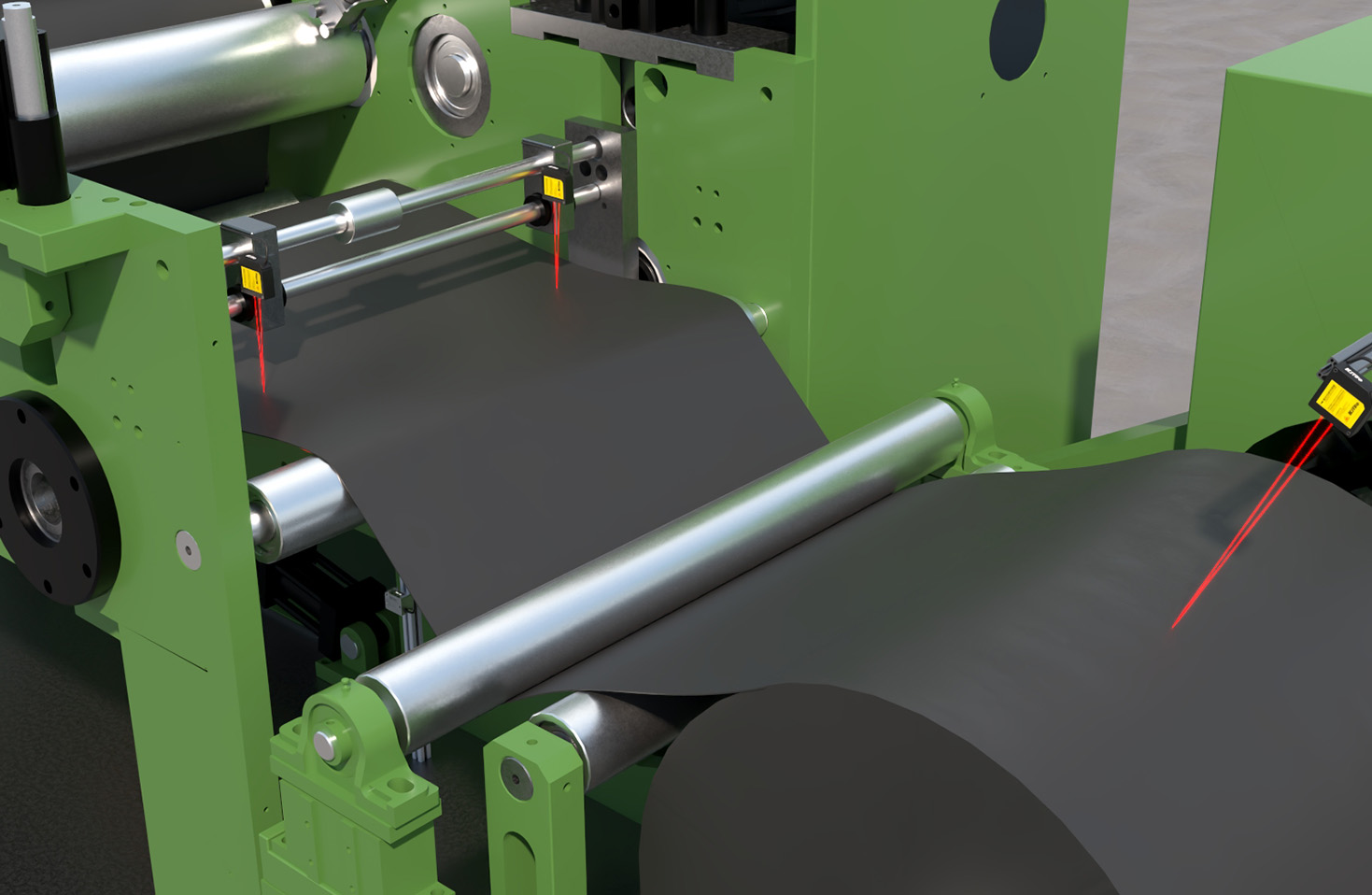
In conclusion, unmanned laser detection sensors are far more than mere components; they are the intelligent eyes of modern automated systems. By delivering reliable, precise, and real-time environmental data, they empower machines to operate autonomously, safely, and efficiently, driving the fourth industrial revolution forward. As technology evolves, their role in shaping a more connected, automated, and safe industrial landscape will only become more profound and indispensable.