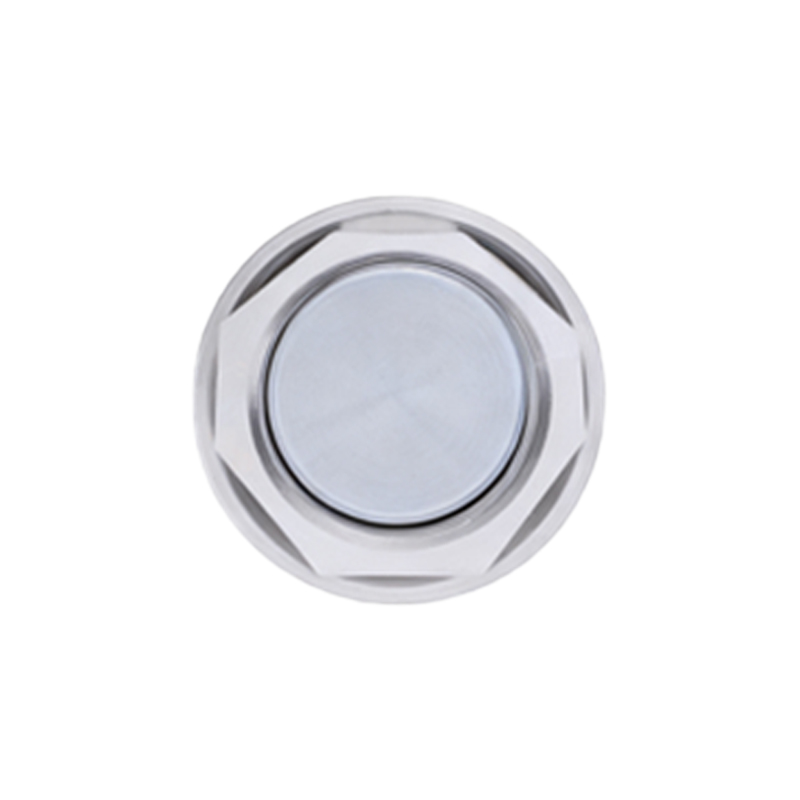
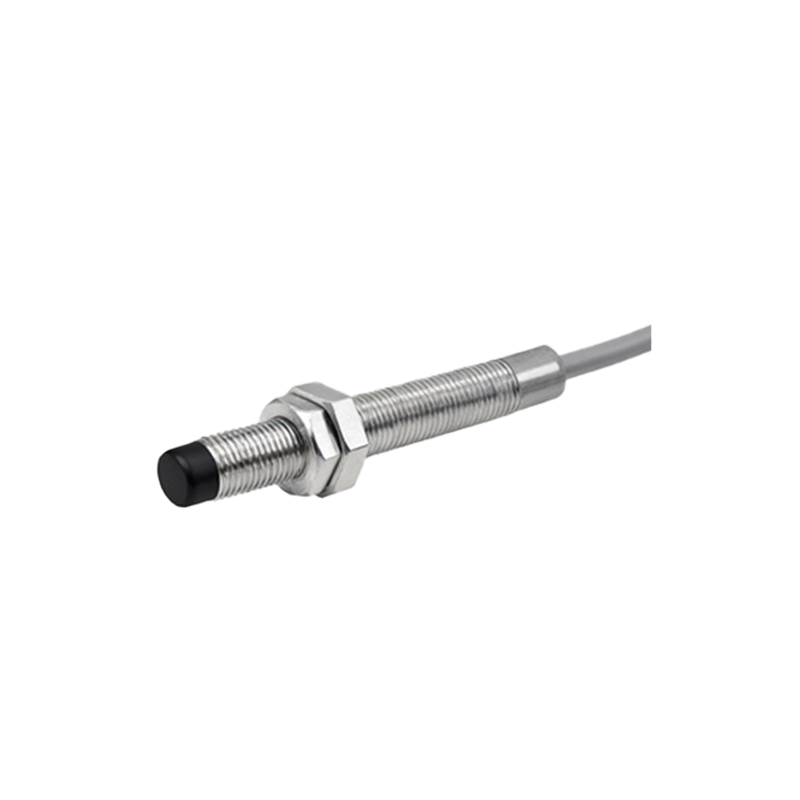
Hydraulic proximity switch sensors are critical components in modern industrial automation, particularly within hydraulic systems where precise position detection and control are essential. These sensors operate by detecting the presence or absence of a target—typically a metal actuator or piston—without physical contact, using principles such as inductive, capacitive, or magnetic sensing technologies. In hydraulic applications, they are commonly employed to monitor cylinder positions, valve states, and machine safety limits, ensuring efficient and reliable operation of equipment like presses, injection molding machines, and mobile hydraulics.
The working mechanism of hydraulic proximity switches relies on generating an electromagnetic field or capacitive coupling. Inductive sensors, for instance, detect ferrous metals by changes in oscillation amplitude when a target enters the sensing range, while capacitive versions respond to both metallic and non-metallic materials based on dielectric constant variations. These sensors are designed to withstand harsh environments, including high pressures, temperature fluctuations, vibration, and fluid exposure, often featuring robust housings made from stainless steel or nickel-plated brass with IP67 or higher ingress protection ratings.
Key advantages of using hydraulic proximity switches include enhanced durability due to non-contact operation, which minimizes wear and tear, and high repeatability for consistent performance over long periods. They also contribute to system safety by providing real-time feedback for emergency stops or preventive maintenance alerts. Installation considerations involve proper mounting alignment, sensing distance calibration, and compatibility with hydraulic fluid types to avoid false triggers or signal interference. Modern advancements integrate smart features like IO-Link connectivity for diagnostics and parameter adjustments, enabling predictive maintenance and reduced downtime.
In practice, selecting the right sensor depends on factors such as target material, required sensing range, response time, and environmental conditions. For example, in high-pressure hydraulic cylinders, sensors with short sensing distances and fast switching frequencies are preferred to ensure accurate position feedback. Regular maintenance, though minimal, involves checking for contamination buildup or seal integrity to prevent fluid ingress. Overall, hydraulic proximity switch sensors play a pivotal role in optimizing industrial automation, offering precision, reliability, and adaptability in demanding hydraulic applications.