In the realm of CNC engraving and machining, precision is paramount. Every micron of movement, every cut, and every contour must be executed with exacting accuracy to achieve the desired outcome. At the heart of ensuring this precision—and the overall safety of the operation—lies a critical component: the proximity sensor. These unassuming electronic devices play a pivotal role in modern CNC engraving systems, acting as the silent sentinels that monitor position, prevent collisions, and automate processes. This article delves into the function, types, and critical importance of proximity sensors within CNC engraving applications.
Proximity sensors are non-contact devices designed to detect the presence or absence of a target object within a specified sensing range without any physical contact. In a CNC engraving machine, these targets are typically the machine's moving parts, such as the spindle, gantry, or the workpiece itself. The fundamental principle involves generating an electromagnetic field or a beam of radiation. When a target enters this field, it causes a change in the signal, which is then converted into an electrical output signal. This signal is fed back to the machine's controller, triggering a pre-programmed action, such as stopping movement, reversing direction, or initiating a tool change sequence.
Several types of proximity sensors are commonly employed, each with distinct advantages. Inductive proximity sensors are the workhorses for detecting metallic objects. They generate an oscillating electromagnetic field and are ideal for sensing the position of the machine's metal components, like the tool holder or limit switches on axis rails. For non-metallic materials such as wood, plastic, glass, or composite materials commonly used in engraving, capacitive proximity sensors are the preferred choice. They can detect any material that affects capacitance, making them versatile for workpiece presence verification. While less common for internal positioning, photoelectric sensors are sometimes used for specific applications like detecting the edge of a material sheet or the presence of a workpiece on the bed from a distance.
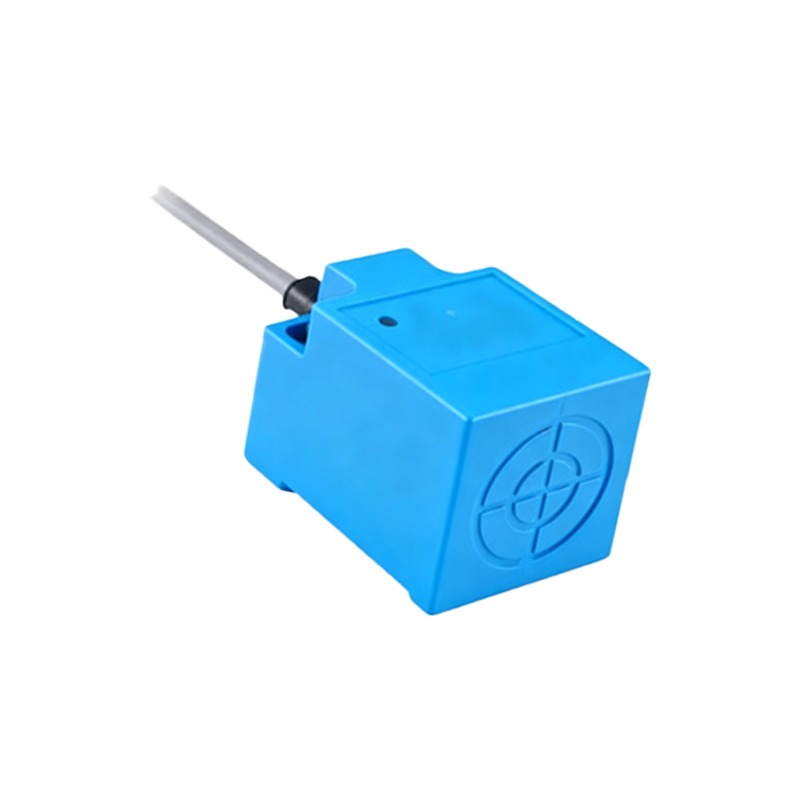
The integration of these sensors brings multifaceted benefits to CNC engraving operations. Firstly, they are indispensable for homing and limit switching. Before any job begins, the machine must reference its "home" position. Proximity sensors provide precise and repeatable signals to establish this zero point for each axis. Furthermore, they act as hard limits, preventing the gantry or spindle from crashing into the physical ends of its travel, thereby preventing catastrophic mechanical damage. Secondly, they enhance tool management and collision avoidance. Sensors can verify if a tool is present in the collet before spindle start-up or detect an unexpected obstacle in the tool path, immediately halting the machine to protect both the tool and the workpiece. This is crucial for unattended or lights-out machining operations. Thirdly, they enable automation. Sensors can detect when a workpiece is loaded onto the bed or when a pallet is in position, allowing for seamless automated job sequencing.
Selecting the right proximity sensor requires careful consideration of several parameters. The sensing range must be appropriate for the application—too short, and it may miss the target; too long, and it may cause false triggers. The mounting style (flush or non-flush) affects the sensing field and must be chosen based on the installation environment. Environmental factors are critical; engraving generates dust, coolant mist, and metal chips. Sensors with high Ingress Protection (IP) ratings are necessary to withstand this contamination. Electrical output (PNP/NPN) must be compatible with the machine's controller input card. Finally, switching frequency must be high enough to keep up with the rapid movements of the CNC machine.
Installation and maintenance are straightforward but vital. Sensors should be mounted securely to avoid vibration-induced misalignment. The sensing face must be kept clean from accumulated debris like dust or oil, which can attenuate the sensing signal. Regular functional checks should be part of the machine's preventive maintenance schedule to ensure reliability. A failing sensor can lead to inaccurate positioning, skipped steps, or even a machine crash.
In conclusion, proximity sensors are far more than simple switches in a CNC engraving machine. They are fundamental enablers of accuracy, repeatability, and operational safety. By providing reliable, non-contact feedback on the machine's state, they allow for higher speeds, tighter tolerances, and greater automation. For any engineer, technician, or operator in the field, a deep understanding of these components is essential for optimizing machine performance, maximizing uptime, and ensuring the production of high-quality engraved products. As CNC technology advances towards greater autonomy and intelligence, the role of robust and smart sensing, including advanced proximity sensors, will only become more pronounced.