In modern electrical installations, proximity sensor-activated lighting systems have become ubiquitous due to their energy efficiency and user convenience. These systems, commonly found in corridors, warehouses, restrooms, and security areas, rely on passive infrared (PIR), ultrasonic, or microwave sensors to detect motion and trigger illumination. However, like all electronic components, these sensors are prone to malfunctions that can lead to system failure, erratic operation, or reduced energy savings. Understanding the root causes, diagnostic procedures, and corrective measures is essential for maintenance engineers and facility managers.
A primary category of sensor failure involves false triggering or failure to trigger. False triggers, where lights activate without apparent motion, are often caused by environmental interference. For PIR sensors, sources of heat radiation such as direct sunlight, HVAC vents, or nearby machinery can mimic human movement. Ultrasonic sensors may be affected by air turbulence, high-frequency noise from equipment, or even vibrating surfaces. Microwave sensors, while more sensitive, can penetrate thin walls and detect movement in adjacent areas, leading to unwanted activation. Conversely, failure to trigger—where lights remain off despite motion—typically stems from incorrect sensor positioning, obstructed detection zones, or degraded sensor sensitivity. Dirt, dust, or insect accumulation on the sensor lens or housing is a frequent culprit, particularly in industrial or outdoor settings.
Electrical issues constitute another major failure domain. Voltage fluctuations or improper power supply can damage sensor circuitry. Many proximity sensors operate on low-voltage DC power derived from a transformer or power supply; instability here can cause erratic behavior. Wiring problems, such as loose connections, corrosion, or damaged cables, can interrupt signal transmission. Additionally, electromagnetic interference (EMI) from nearby motors, fluorescent ballasts, or radio transmitters can disrupt sensor operation. It is crucial to verify that the electrical installation complies with manufacturer specifications, including voltage ratings, grounding requirements, and recommended wire types.
Sensor calibration and configuration errors often mimic hardware faults. Most proximity sensors feature adjustable settings for sensitivity, time delay (duration lights stay on), and ambient light threshold (lux level). Incorrect calibration can lead to poor performance. For instance, setting the sensitivity too low may cause missed detections, while too high a setting can cause false alarms. An improperly set time delay might result in lights turning off too quickly or remaining on unnecessarily long. The ambient light sensor, if enabled, may prevent activation during daytime even if motion is detected, which can be mistaken for a sensor failure if not understood.
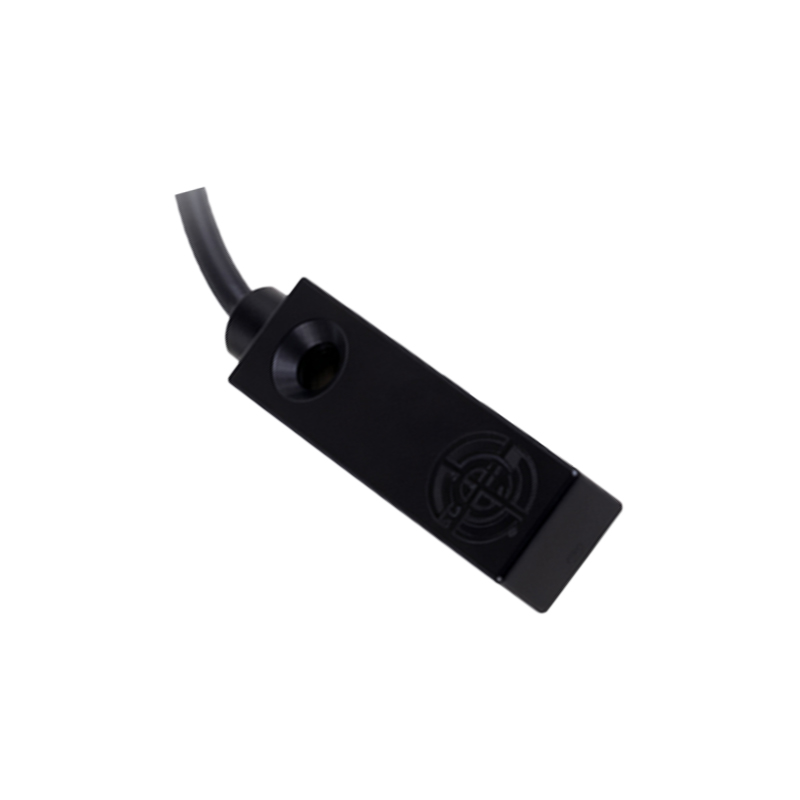
Diagnosing sensor malfunctions requires a systematic approach. Begin with a visual inspection: check for physical damage, obstructions, and cleanliness. Ensure the sensor is correctly aligned to cover the intended area; detection patterns are often cone-shaped and may require precise angling. Next, verify power supply parameters using a multimeter to confirm correct voltage and stability. Review the configuration settings against the application requirements; sometimes, a simple reset to factory defaults can resolve issues. For intermittent problems, monitoring with a data logger or using the sensor’s built-in diagnostic indicators (like LED blink codes) can provide clues. In complex environments, temporarily substituting the sensor with a known-working unit can help isolate the fault.
Preventive maintenance is key to minimizing downtime. Regular cleaning of sensor lenses and housings, especially in dusty or humid conditions, preserves sensitivity. Periodic recalibration may be necessary as environmental conditions change with seasons. Ensuring stable power supply, possibly with surge protection, prolongs sensor lifespan. When replacing sensors, consider upgrading to models with better environmental sealing, wider operating temperature ranges, or advanced filtering algorithms that reduce false triggers.
In summary, proximity sensor failures in lighting systems are multifaceted but manageable. By combining thorough diagnostics with an understanding of sensor technology and environmental factors, electrical professionals can ensure reliable, energy-efficient operation. As these systems evolve with IoT integration and smarter controls, foundational knowledge of sensor maintenance remains indispensable for optimal performance.