In the realm of industrial automation and control systems, proximity sensors are indispensable components. Selecting the correct sensor for an application hinges on a thorough understanding of its model parameters. This guide delves into the key specifications and parameters that define a proximity sensor's capabilities and suitability for various tasks.
Sensor Type and Operating Principle
The fundamental parameter is the sensor type, dictated by its operating principle. The primary categories are:
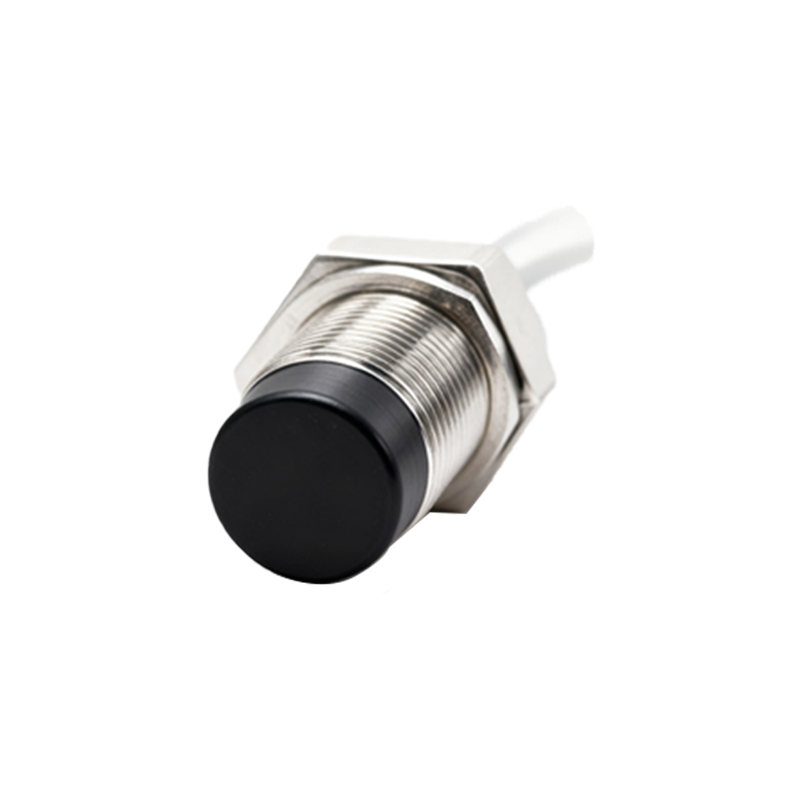
Inductive Proximity Sensors: Detect metallic objects (ferrous and non-ferrous) without physical contact. They generate an electromagnetic field; the presence of a metal target induces eddy currents, causing a change in oscillation amplitude that triggers the switch.
Capacitive Proximity Sensors: Detect both metallic and non-metallic materials (liquids, plastics, wood, etc.) by measuring changes in capacitance. The sensor and the target act as two plates of a capacitor.
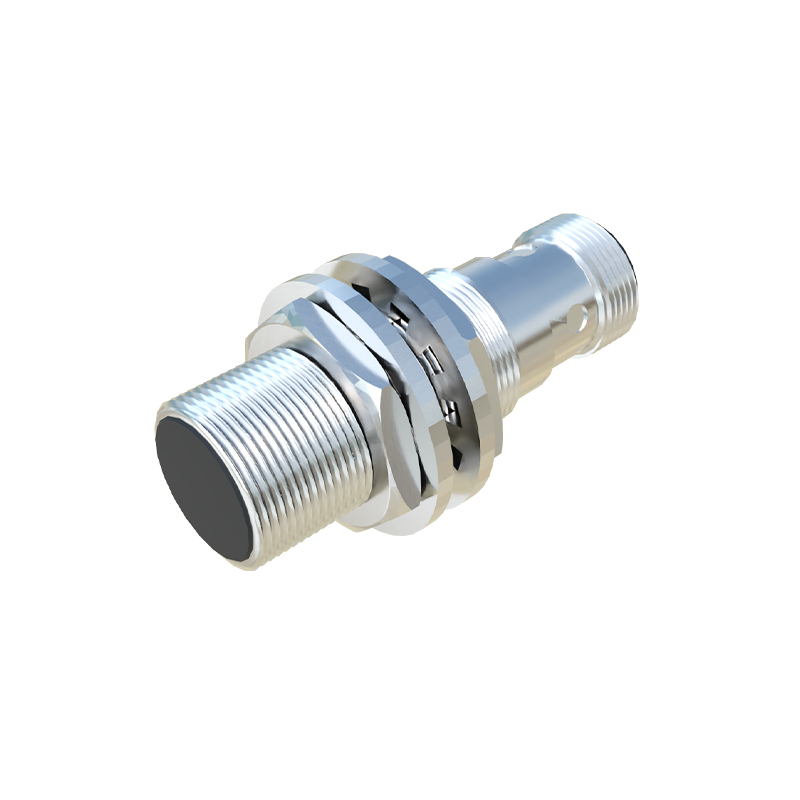
Ultrasonic Proximity Sensors: Use sound waves beyond human hearing. They measure the time taken for an emitted ultrasonic pulse to reflect off a target and return, calculating distance. Effective for a wide range of materials and in challenging environments (dust, fog).
Photoelectric Sensors: Operate by emitting a light beam (visible, infrared, or laser) and detecting its reflection or interruption. Types include through-beam, retro-reflective, and diffuse reflective.
Key Electrical and Performance Parameters
Beyond type, several critical parameters define performance:
1. Sensing Distance (Sn): The nominal operating distance at which a standard target will reliably trigger the sensor. It is typically specified for a defined target material and size (e.g., Fe 37x37x1 mm for inductive). The effective operating distance is 0 to 81% of Sn, accounting for manufacturing tolerances and temperature variations. Hysteresis is the difference between the switch-on and switch-off points, preventing chatter.
2. Output Configuration: Defines the electrical switching element.
PNP (Sourcing): The output switch connects the load to positive voltage.
NPN (Sinking): The output switch connects the load to ground/negative.
NO (Normally Open) / NC (Normally Closed): Refers to the state of the output circuit when no target is present.
Analog Output: Provides a continuous signal (e.g., 4-20 mA, 0-10V) proportional to the distance to the target.
3. Supply Voltage (Ue): The range of operating voltage (e.g., 10-30 VDC, 20-250 VAC) within which the sensor functions correctly.
4. Output Current (Ie): The maximum continuous current the output switch can handle. This determines the load capacity. Short-circuit and overload protection are vital features.
5. Switching Frequency: The maximum number of on/off cycles per second (Hz) the sensor can perform. Critical for high-speed counting or positioning applications.
6. Response Time: The delay between the target entering the sensing zone and the output state change. Includes both on-delay and off-delay.
7. Environmental Ratings:
IP (Ingress Protection) Rating: Indicates protection against solids and liquids (e.g., IP67 = dust-tight and protected against temporary immersion).
Temperature Range: Specifies the ambient operating and storage temperature limits.
Material and Housing: Stainless steel (particularly for wash-down areas), brass, PBT/PPS plastics. The housing shape (barrel, rectangular, ring) is also a selection factor.
Application-Specific Considerations
Choosing a model requires aligning parameters with application demands:
Target Material: Inductive for metals, capacitive for varied materials, ultrasonic for distance-based detection.
Installation Constraints: Consider flush-mountable vs. non-flush mountable inductive sensors. Flush-mountable can be embedded in metal without affecting Sn.
Environmental Challenges: Presence of cutting fluids, metal chips, extreme temperatures, or high-pressure washdown dictates IP rating, housing material, and sometimes the sensing technology (ultrasonic is less affected by airborne contaminants).
Electrical Compatibility: The sensor's output type (PNP/NPN) must match the input requirements of the controller (PLC, relay). Voltage levels must be consistent.
Decoding Model Numbers
Manufacturers use alphanumeric model codes that encapsulate these parameters. For example, a code like "IM12-04BPS-ZW1" might break down as: Inductive (I), M12 housing, 4