In the rapidly evolving landscape of industrial automation and precision measurement, laser sensors have emerged as indispensable tools. For engineers, procurement specialists, and system integrators, sourcing reliable, high-performance components is paramount. The JD Self-Operated platform has become a significant channel, offering a curated selection of laser sensors with the assurance of authenticity, logistical efficiency, and customer support. This guide delves into the technical considerations for selecting laser sensors on JD Self-Operated and explores the key product categories available.
The primary advantage of procuring through JD Self-Operated lies in its supply chain integrity. Counterfeit or substandard electronic components pose a severe risk to project timelines and system safety. JD's direct operation model, with stringent vendor verification and quality control, significantly mitigates this risk. For critical applications in manufacturing, robotics, or R&D, this assurance is invaluable. Furthermore, the platform's logistics network ensures prompt delivery, which is often crucial for maintenance and project commissioning.
When evaluating laser sensors on the platform, several technical specifications demand careful attention. First, determine the required measurement principle: triangulation, time-of-flight (ToF), or confocal. Triangulation sensors offer high resolution for short-range displacement and thickness measurement. ToF sensors are ideal for longer-range distance sensing and object detection. Confocal chromatic sensors provide exceptional accuracy for surface profiling and multi-layer thickness analysis.
Next, consider key performance parameters. The measuring range, resolution (often in micrometers or nanometers), linearity error, and spot size must align with your application. For dynamic measurements, the sensor's response frequency or sampling rate is critical. Environmental ratings, such as IP67 for dust and water ingress protection, and operating temperature ranges are non-negotiable for harsh industrial environments. Output interfaces (e.g., analog voltage/current, digital IO, RS-232, Ethernet/IP, PROFINET) must be compatible with your PLC or data acquisition system.
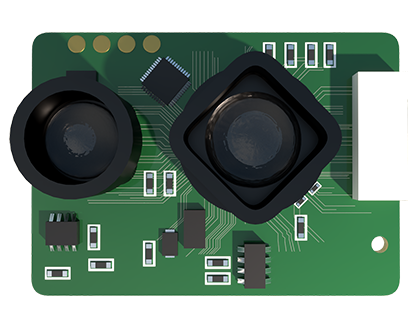
JD Self-Operated typically hosts products from reputable international and domestic brands. Categories include:
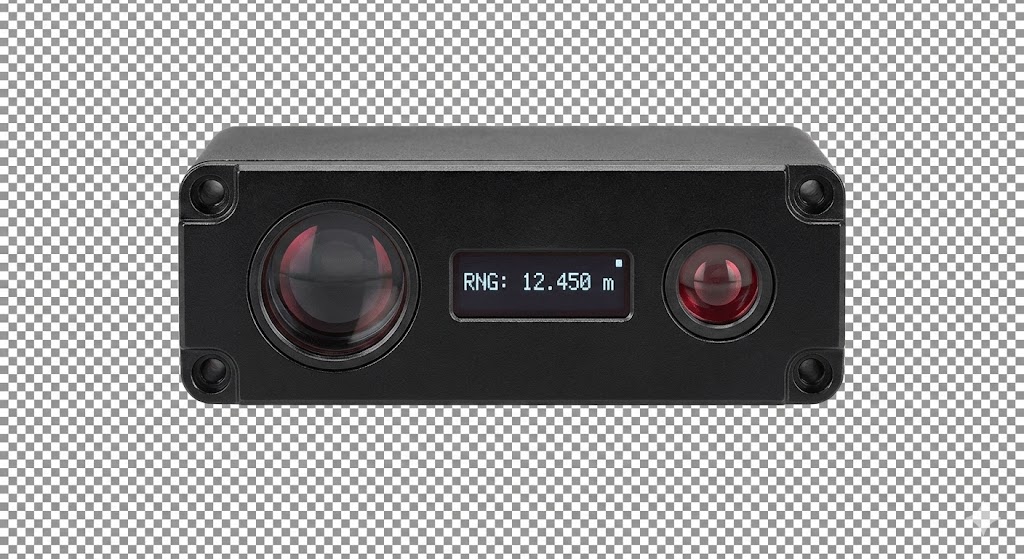
1. Laser Distance Sensors: Used for precise non-contact measurement of position, displacement, or height. Look for models with robust housing and vibration resistance.
2. Laser Micrometer Sensors (Scanning Gauges): Employ a scanning laser beam to measure outer dimensions, diameter, or gap width with high speed and accuracy.
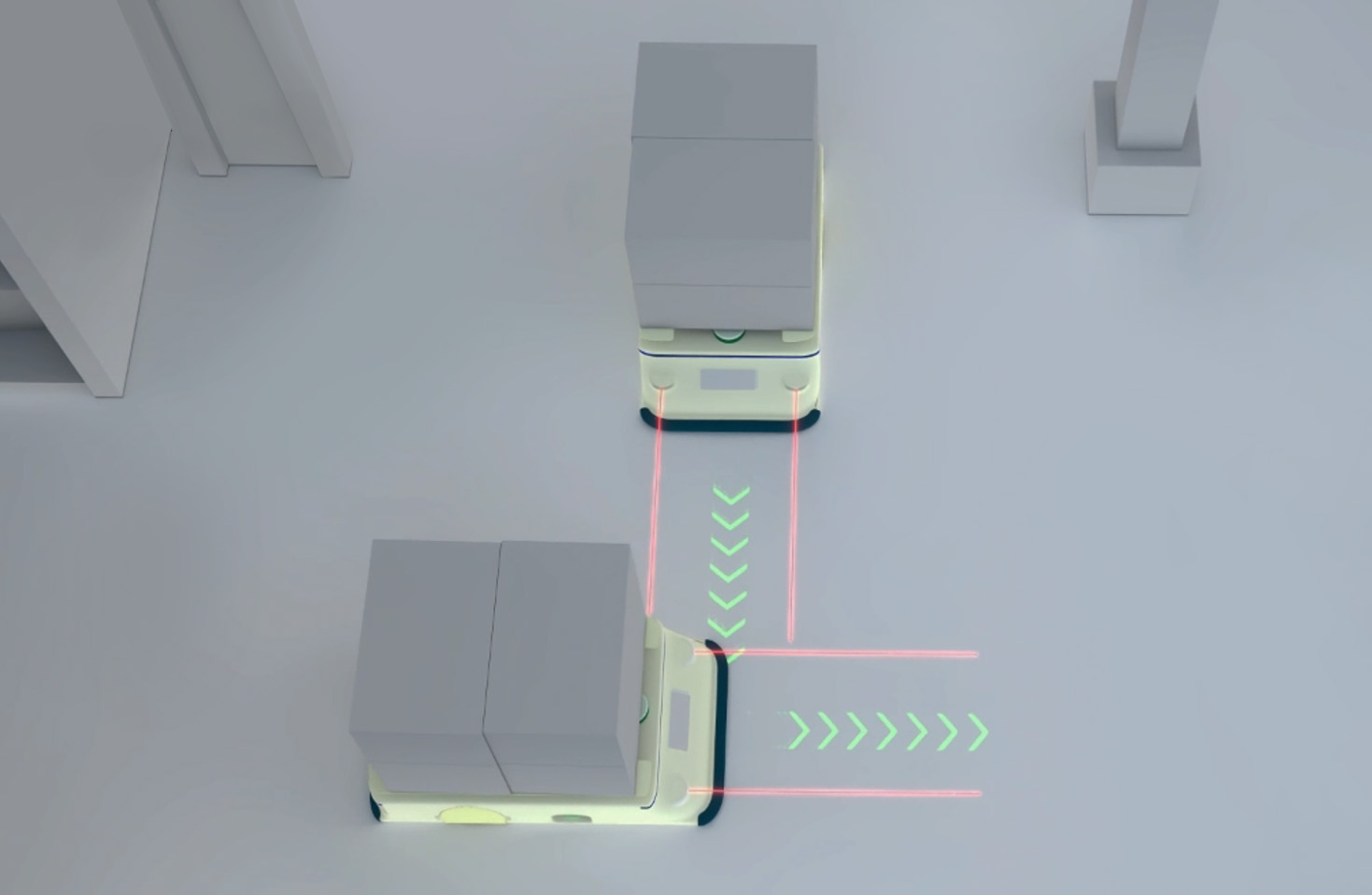
3. Laser Contrast/Color Sensors: Detect marks, labels, or color differences on surfaces, crucial in packaging and sorting lines.
4. Laser Edge Detection Sensors: Precisely locate the edge of materials like paper, film, or metal for guiding and alignment systems.
5. Safety Laser Scanners: Used for area guarding and personnel protection around automated machinery, featuring defined protective and warning fields.
The platform's interface allows for filtering by these categories, specifications, and brands. Utilize the detailed product pages, which should contain datasheets, technical drawings, and application notes. Pay close attention to customer reviews, particularly those from verified buyers in industrial sectors, as they can offer practical insights into real-world performance and durability.
Integration support is another consideration. While JD provides transactional reliability, complex sensor integration may require additional technical consultation. Some flagship brand stores on the platform may offer direct engineering support. It is advisable to clarify the availability of software, SDKs, and configuration tools before purchase.
In conclusion, the JD Self-Operated platform presents a viable and efficient procurement avenue for industrial laser sensors. Its strengths in product authenticity, logistical reliability, and transparent user feedback align well with the needs of the engineering community. A successful procurement strategy involves a clear definition of application requirements, meticulous comparison of technical specifications listed on the platform, and leveraging the structured filtering tools to identify the optimal sensor. By adopting this disciplined approach, engineers can effectively harness the convenience of e-commerce without compromising on the technical rigor required for industrial automation solutions.