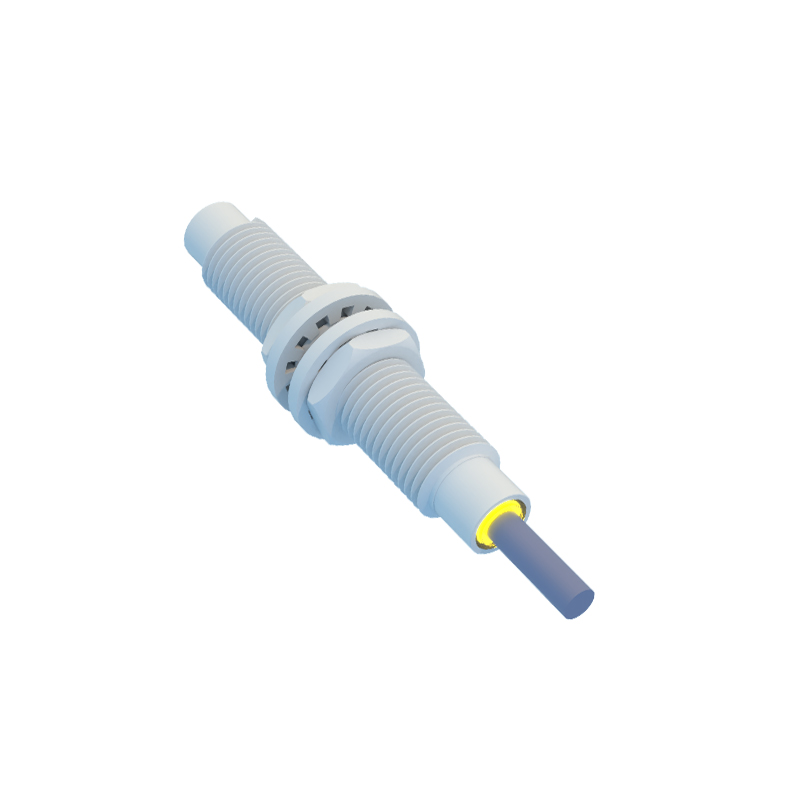
In the realm of industrial automation and control, proximity sensors stand as fundamental components, seamlessly bridging the physical and digital worlds. These devices, which detect the presence or absence of an object without physical contact, are integral to countless automated processes. But to which specific system do they belong? The answer is not singular, as proximity sensors are core elements within the broader architecture of Industrial Control Systems (ICS).
An Industrial Control System is an umbrella term encompassing various types of control systems and associated instrumentation used for industrial process control. This includes Supervisory Control and Data Acquisition (SCADA) systems, Distributed Control Systems (DCS), and smaller-scale systems like Programmable Logic Controllers (PLCs). Proximity sensors are critical input devices that feed real-time data into these systems, enabling automated decision-making and control.
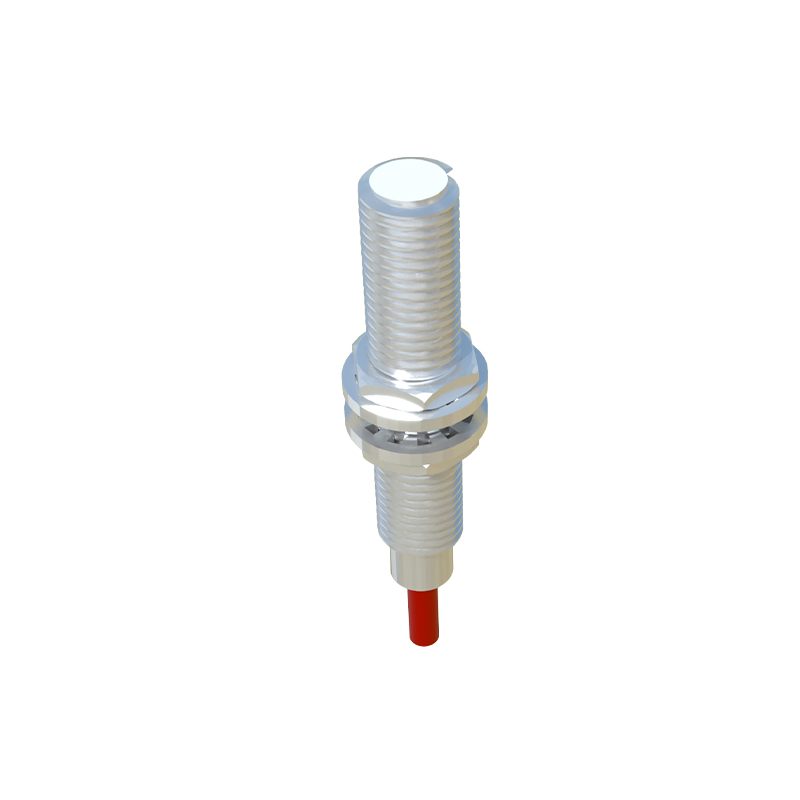
The primary function of a proximity sensor is to act as the "eyes" of the control system. By detecting metallic or non-metallic objects within a defined sensing range, they provide a discrete on/off signal. This signal is a binary piece of information—object present or object absent—which is transmitted to a controller, most commonly a PLC. The PLC, acting as the "brain" of a localized control loop, processes this input signal based on its programmed logic. It then executes pre-defined outputs, such as activating a solenoid valve, starting a motor, or triggering an alarm. This closed-loop operation is the essence of discrete control within an ICS.
For instance, in an automotive assembly line, inductive proximity sensors detect the presence of a metal chassis at a specific station. This detection signal is sent to the plant's PLC-based control system. The PLC confirms the chassis is correctly positioned and then commands a robotic arm to weld components onto it. Without the instantaneous and reliable input from the proximity sensor, the control system would lack the necessary data to safely and accurately initiate the welding sequence. Similarly, in packaging machinery, capacitive sensors detect the level of liquid in non-metallic containers, providing crucial data to the control system to manage filling operations.
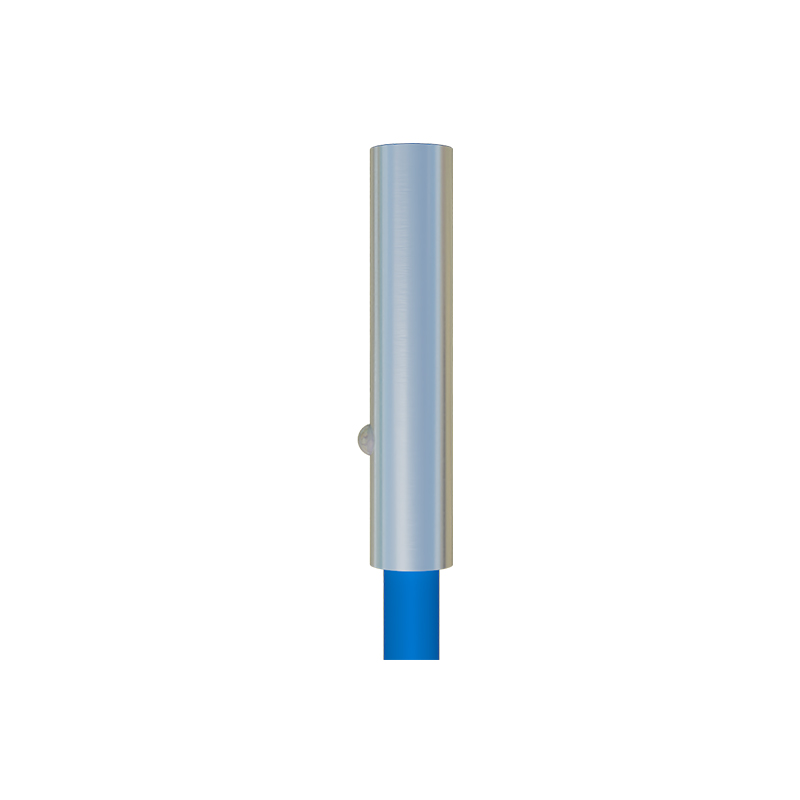
Integration into higher-level systems like SCADA or DCS further amplifies their role. While PLCs handle real-time, machine-level control, SCADA systems provide supervisory oversight. Data from proximity sensors, aggregated through PLCs, can be visualized on SCADA operator screens. This allows plant managers to monitor machine status, count production units, or identify jams in a conveyor system across an entire facility. In a DCS, commonly used in continuous process industries like oil and gas or chemicals, proximity sensors might monitor valve positions or the status of safety gates, contributing to the continuous regulatory control of the process.
The choice of proximity sensor type—inductive, capacitive, ultrasonic, or photoelectric—is dictated by the application's requirements and is a key engineering decision within system design. Inductive sensors are favored for detecting metals in harsh environments, while capacitive sensors handle a wider range of materials. Their selection directly impacts the reliability, speed, and accuracy of the control system's response.
In conclusion, proximity sensors are not merely standalone devices; they are essential perceptual organs embedded within the nervous system of Industrial Control Systems. They provide the critical binary data that initiates, sequences, and safeguards automated operations. From the PLC-controlled machine cell to the plant-wide SCADA network, these sensors enable precise, efficient, and reliable industrial automation, forming an indispensable link in the chain of modern manufacturing and process control.