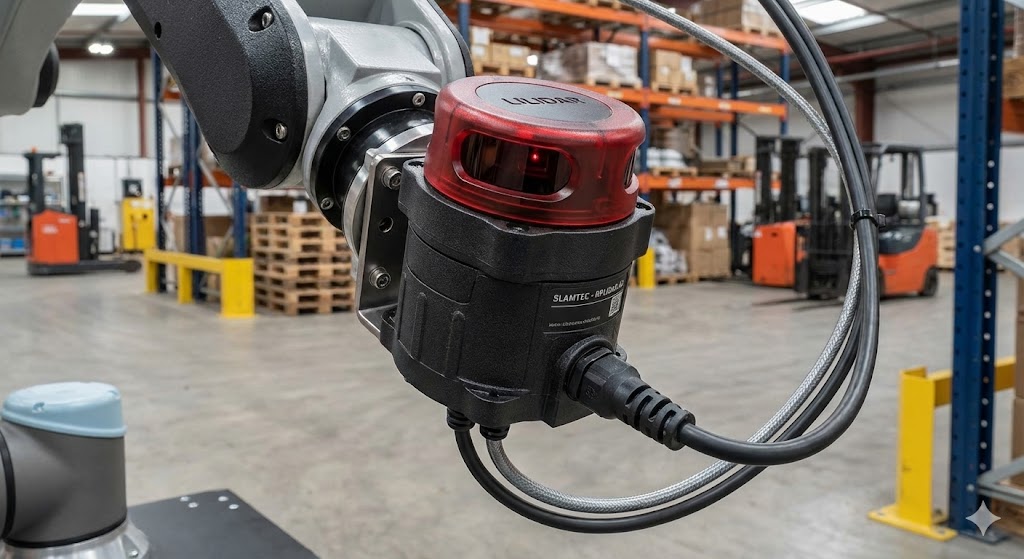
Laser sensors have become integral components in modern industrial automation, offering high precision, non-contact measurement capabilities across diverse applications. This experimental study evaluates the performance of three commercially available laser displacement sensors under controlled laboratory conditions, simulating real-world industrial environments. The primary objective is to analyze key parameters such as accuracy, repeatability, resolution, and environmental robustness to provide actionable insights for engineers and system integrators.
The experimental setup consisted of a vibration-isolated optical bench, a high-precision linear translation stage with 0.1-micrometer resolution, and a calibrated reference standard. Environmental factors, including ambient light fluctuations and temperature variations, were monitored and recorded throughout the testing phase. The selected sensors represented different technological principles: a triangulation-based laser sensor, a confocal chromatic sensor, and a time-of-flight (ToF) sensor. Each unit was subjected to a series of standardized tests.
First, the static accuracy test involved positioning the sensors at known distances from a certified white ceramic reference target. Measurements were taken at 50 discrete points across a 100-millimeter range. The triangulation sensor demonstrated superior accuracy in the mid-range, with a maximum deviation of ±5 micrometers, while the confocal sensor showed exceptional performance on reflective surfaces. The ToF sensor, though less precise, provided reliable measurements over longer distances up to 2 meters.
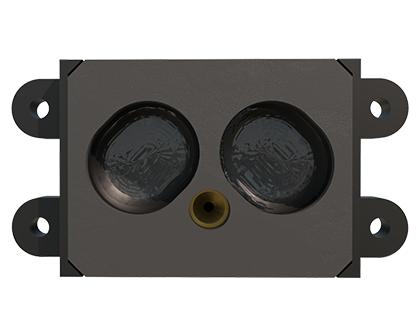
Repeatability was assessed by performing 500 consecutive measurements at a fixed distance. The results indicated a standard deviation of 0.8 micrometers for the triangulation sensor, 0.5 micrometers for the confocal sensor, and 1.2 millimeters for the ToF sensor, highlighting the confocal sensor's stability for critical high-precision tasks. Resolution testing, conducted by moving the target in minimal increments, revealed that both the triangulation and confocal sensors could detect movements as small as 0.1 micrometers, whereas the ToF sensor's resolution was limited to 0.5 millimeters.
Environmental robustness tests introduced controlled disturbances. Variable ambient lighting from LED and fluorescent sources caused a measurable drift in the triangulation sensor's output, up to 15 micrometers under direct light interference. The confocal sensor proved largely immune to such effects due to its spectral analysis principle. Temperature cycling from 10°C to 50°C affected all units, with the ToF sensor showing the most significant thermal drift, approximately 0.05% of the measured value per degree Celsius.
A practical application simulation was conducted by integrating the sensors into a mock assembly line to measure component thickness and detect surface defects. The triangulation sensor excelled in fast, high-accuracy profiling but struggled with highly reflective materials. The confocal sensor consistently provided accurate data on varied surfaces, including transparent glass and polished metal, though at a higher cost and lower measurement speed. The ToF sensor was effective for presence detection and bulk measurement over large areas where extreme precision was not required.
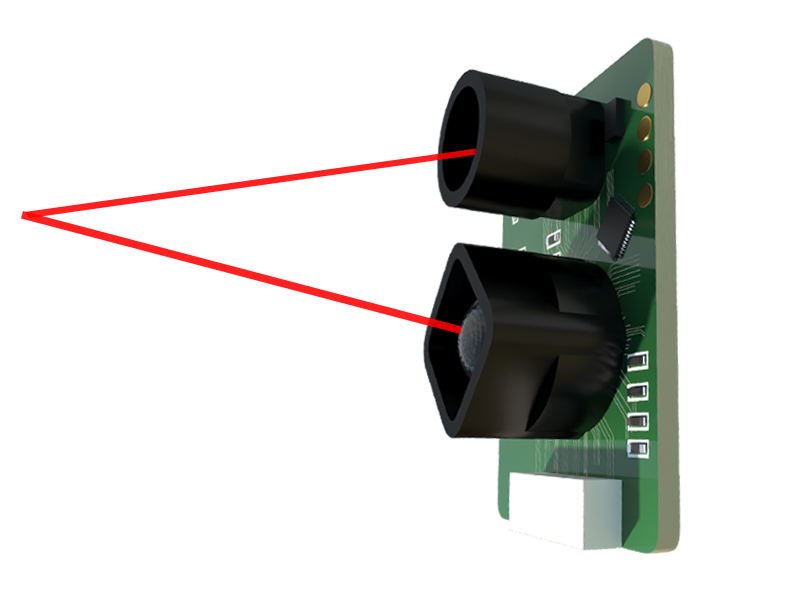
In conclusion, the selection of a laser sensor must be driven by specific application requirements. For micron-level accuracy in controlled environments, triangulation or confocal sensors are preferable. For long-range, rugged applications with moderate precision needs, ToF sensors offer a cost-effective solution. Future work should explore the impact of material color and surface texture more comprehensively, as preliminary data indicated variations in performance on non-standard surfaces. Engineers are advised to conduct similar validation tests under their operational conditions to ensure optimal system integration and reliability.