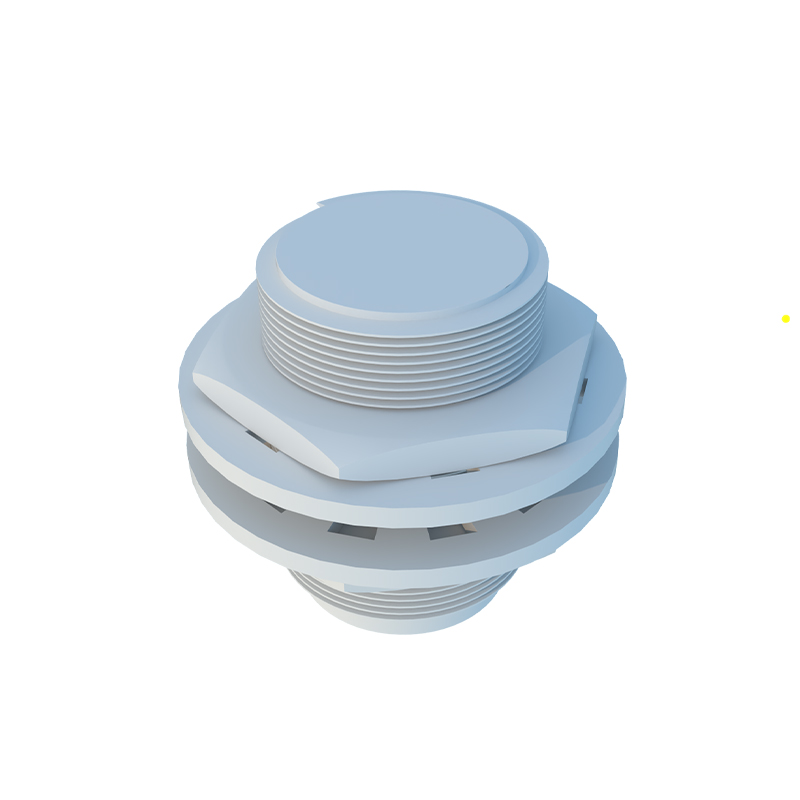
Proximity sensors are critical components in modern industrial automation, providing non-contact detection of objects within their sensing range. Ensuring their reliable functionality through systematic testing is paramount for maintaining operational efficiency and safety. This article outlines comprehensive testing methodologies tailored for inductive, capacitive, and photoelectric proximity sensors commonly used in industrial settings.
The foundation of any proximity sensor test begins with verifying its basic operational parameters. First, confirm the power supply requirements—typically 10-30V DC for most industrial sensors—and ensure stable voltage within the specified tolerance. Using a calibrated multimeter, measure the output signal in both sensing and non-sensing states. For normally open (NO) configurations, the output should switch from high impedance (or voltage near supply level) to low impedance (near 0V) when a target enters the detection zone. The reverse applies for normally closed (NC) types. Always refer to the manufacturer's datasheet for exact voltage thresholds and current ratings.
Next, assess the sensing distance, often termed the "rated operating distance" (Sn). This test requires standardized target materials: mild steel for inductive sensors, aluminum for capacitive types, and opaque/reflective surfaces for photoelectric variants. Mount the sensor on a rigid fixture and gradually bring the target toward the sensing face using a micrometer stage or precision linear actuator. Record the distance at which the output consistently switches. This measured value should fall within ±10% of the rated Sn under standard conditions (23°C, 50% humidity). Repeat this test at least five times to account for hysteresis, noting any variance between approach and retreat distances.
Environmental robustness testing is equally crucial. Subject the sensor to temperature extremes per its IP rating and operational specifications. For instance, test functionality at -25°C and +70°C if rated for such ranges, allowing sufficient thermal stabilization time. Similarly, evaluate performance under vibration (e.g., 10-55 Hz frequency sweep) and mechanical shock per IEC 60068-2-6 standards. For capacitive sensors, assess immunity to environmental factors like dust or moisture by introducing controlled contaminants while monitoring false triggering.
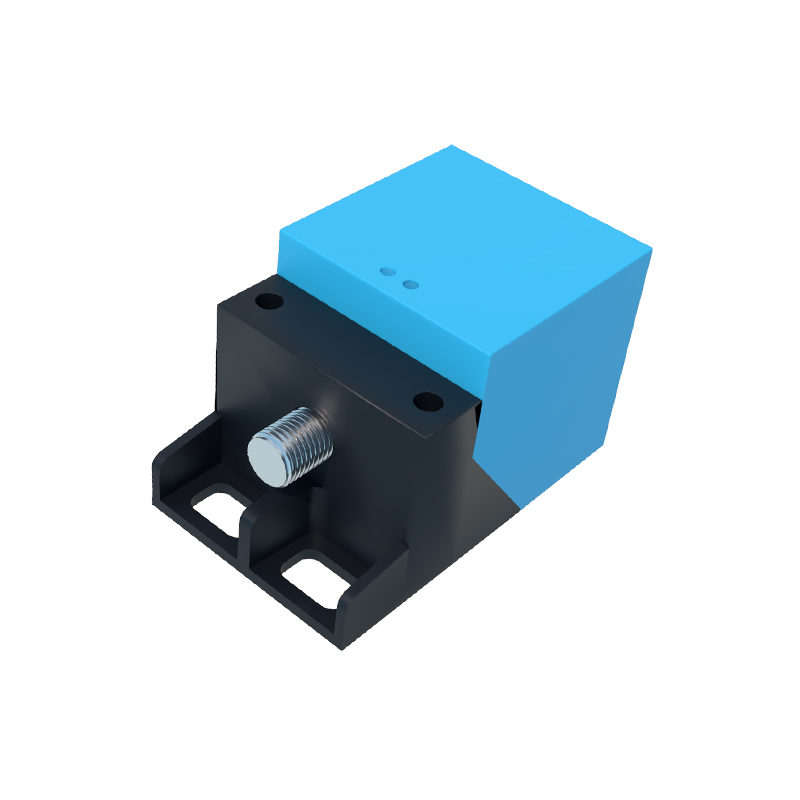
Response time and frequency testing determine dynamic performance. Use an oscilloscope to measure the time delay between target entry and output switching. High-speed applications may require sensors with response times under 1 ms. Additionally, test the maximum switching frequency by moving a target repeatedly at increasing speeds until the sensor fails to detect consistently. This frequency should align with the datasheet’s "switching frequency" specification.
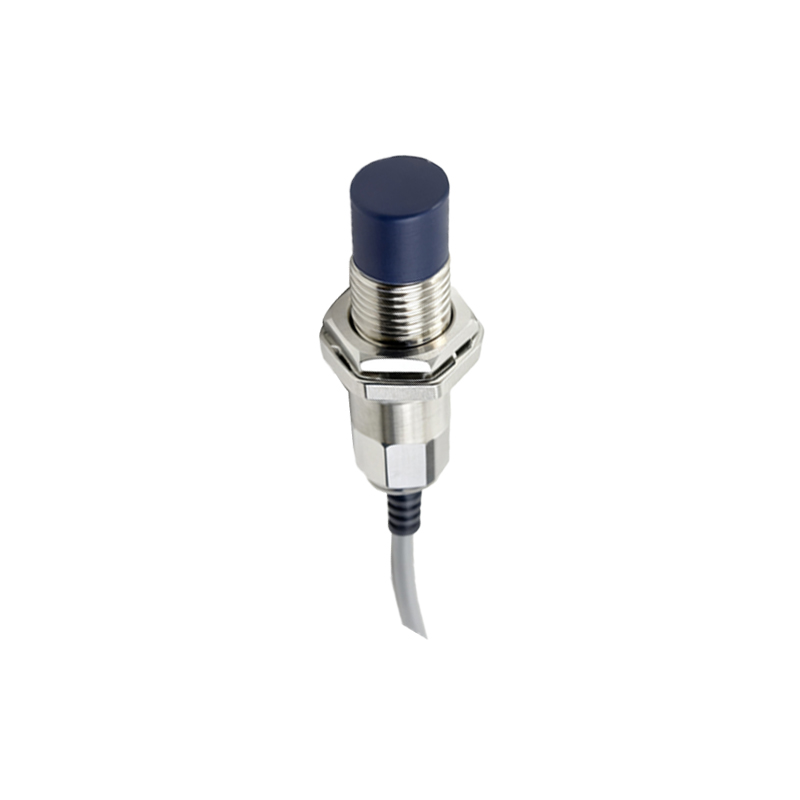
Finally, implement in-situ validation. Install the sensor in its intended application and simulate real-world conditions. For conveyor systems, test with actual products at varying speeds. For positioning applications, verify repeatability by marking detection points across multiple cycles. Document all test results, including ambient conditions and any deviations from expected behavior. Regular maintenance testing—recommended quarterly or per operational hours—should replicate these procedures to preempt field failures.
Advanced diagnostic tools, such as sensor simulators or PLC-based monitoring programs, can automate many tests. However, manual verification remains essential for initial commissioning and troubleshooting. Always prioritize safety: lock out energy sources during installation and use insulated tools when testing live circuits. By adhering to these methodical testing protocols, engineers can ensure proximity sensors deliver optimal performance, reduce downtime, and enhance system longevity in demanding industrial environments.