High-frequency laser sensor switches represent a cutting-edge advancement in electrical engineering, offering unparalleled precision, speed, and reliability in industrial automation and control systems. These devices utilize focused laser beams to detect objects, measure distances, or trigger actions with minimal latency, operating at frequencies that far exceed conventional mechanical or optical sensors. Their integration into modern electrical frameworks enhances efficiency, reduces downtime, and supports complex applications in manufacturing, robotics, and safety monitoring.
The core mechanism of a high-frequency laser sensor switch involves emitting a modulated laser beam toward a target. When the beam is interrupted or reflected, the sensor's photodetector captures the change, converting it into an electrical signal. This signal is then processed by high-speed circuitry to initiate a switch action—such as activating a relay, sending a data packet, or halting machinery—within microseconds. Key components include laser diodes, typically operating in the infrared or visible spectrum, and advanced signal processors that filter noise to maintain accuracy even in challenging environments like dusty factories or fluctuating temperatures.
One of the primary advantages of these switches is their non-contact nature, which eliminates wear and tear associated with physical switches, leading to longer lifespans and lower maintenance costs. For instance, in conveyor belt systems, high-frequency laser sensors can detect minute objects at rates exceeding 10 kHz, ensuring precise sorting without mechanical delays. In robotics, they enable real-time positioning and collision avoidance, critical for collaborative robots working alongside humans. Additionally, their high immunity to electromagnetic interference makes them ideal for use in electrically noisy settings, such as power plants or automotive assembly lines.
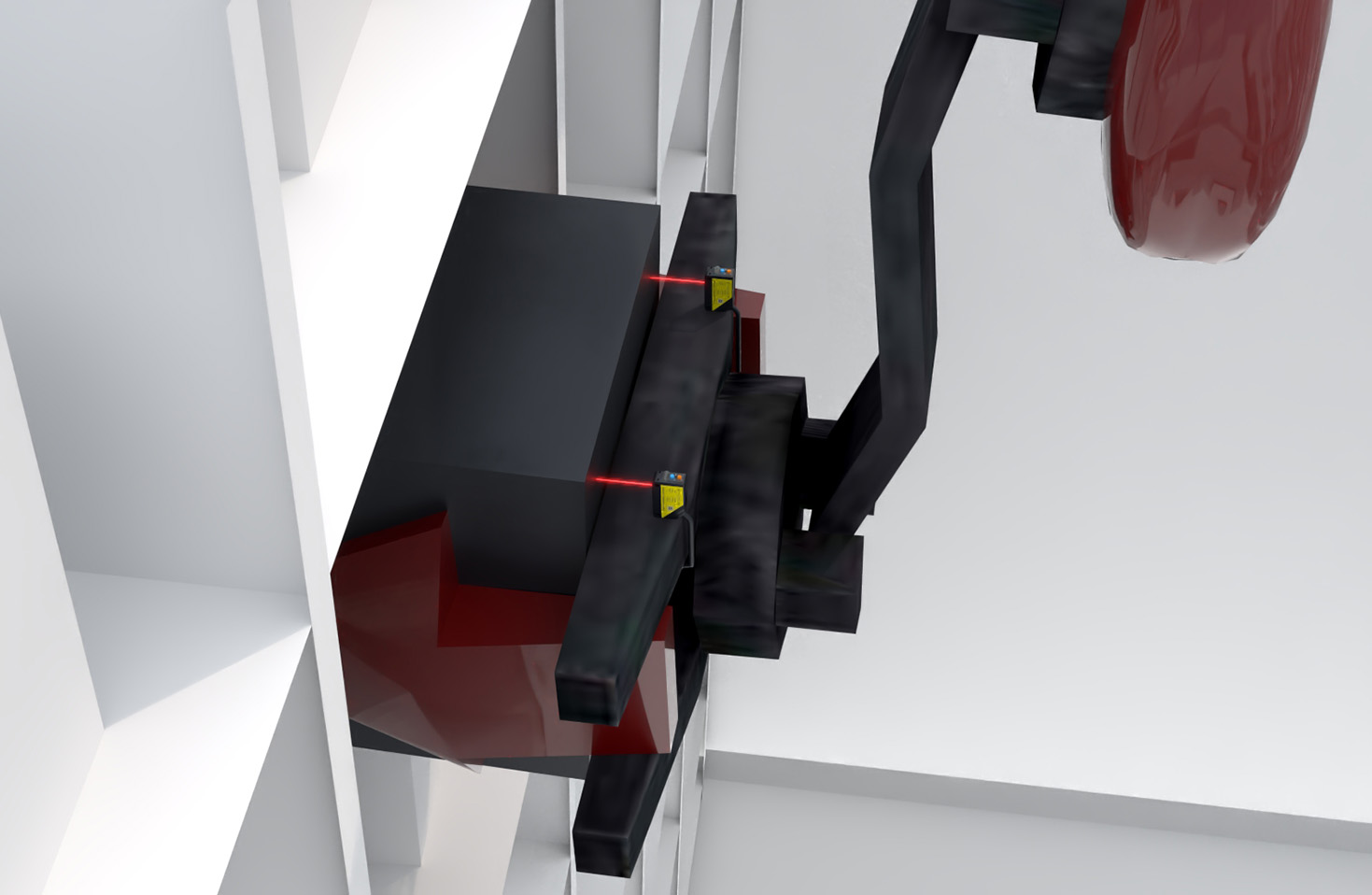
Applications span diverse sectors. In manufacturing, laser sensor switches are deployed for quality control, measuring thickness or alignment with micron-level accuracy. In energy management, they monitor turbine speeds or solar panel positioning to optimize output. Safety systems benefit from their rapid response; for example, in automated doors or machinery guards, they can instantly stop equipment upon detecting an intrusion, preventing accidents. The rise of Industry 4.0 and IoT has further driven adoption, as these sensors integrate seamlessly with networked systems, providing data for predictive analytics and smart automation.
However, implementing high-frequency laser sensor switches requires careful consideration. Factors like beam alignment, ambient light conditions, and target material properties (e.g., reflectivity) can affect performance. Engineers must select sensors with appropriate wavelength and power ratings, and incorporate protective housings to prevent damage from harsh conditions. Calibration and regular testing are essential to sustain accuracy over time. Emerging trends include miniaturization for compact devices and enhanced connectivity via protocols like IO-Link, enabling remote diagnostics and configuration.
In summary, high-frequency laser sensor switches are transformative tools in electrical engineering, driving innovation through speed and precision. As technology evolves, they will continue to enable smarter, safer, and more efficient industrial operations, solidifying their role as indispensable components in advanced electrical systems.