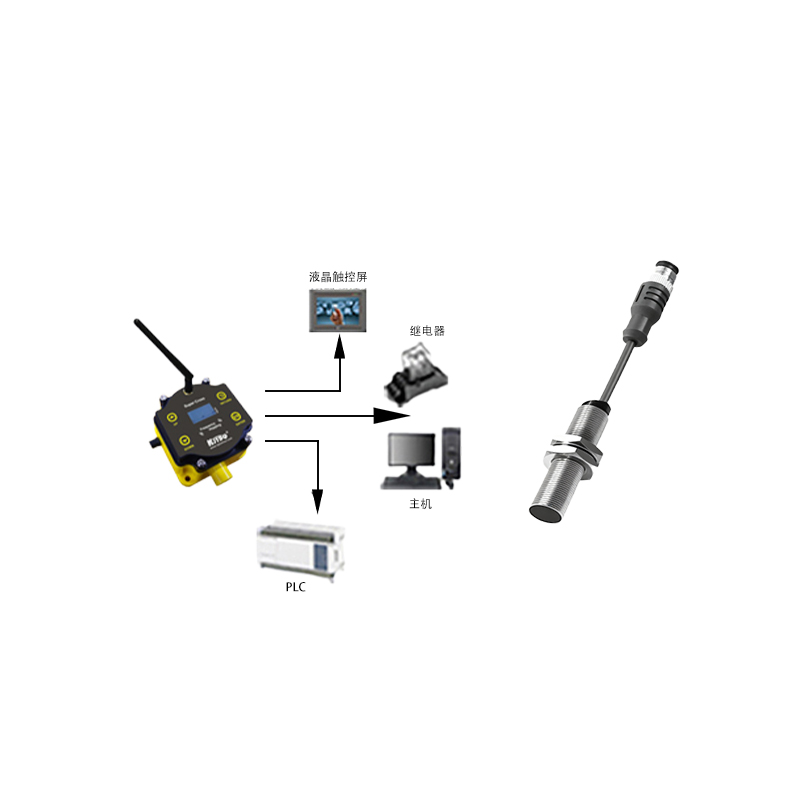
In the rapidly evolving landscape of industrial automation and smart technology, radar proximity sensor companies are at the forefront of innovation, driving advancements in safety, efficiency, and precision across various sectors. These sensors, which utilize radio waves to detect the presence, distance, and speed of objects without physical contact, have become indispensable in applications ranging from automotive safety systems and robotics to manufacturing and smart infrastructure. As demand grows for more reliable and adaptive sensing solutions, companies in this niche are continuously refining their technologies to meet stringent industry standards.
The core technology behind radar proximity sensors involves emitting high-frequency electromagnetic waves and analyzing the reflected signals to determine object parameters. Unlike optical or ultrasonic sensors, radar sensors perform consistently in challenging environmental conditions such as dust, fog, or extreme temperatures, making them ideal for harsh industrial settings. Key players in the market have developed sensors with enhanced resolution, lower power consumption, and compact designs, enabling integration into IoT networks and autonomous systems. For instance, in the automotive industry, radar sensors are critical for adaptive cruise control and collision avoidance, while in logistics, they optimize warehouse automation by tracking inventory movement.
Leading radar proximity sensor companies, such as Siemens AG, Texas Instruments, and Banner Engineering, have established strong reputations through continuous research and development. Siemens, for example, offers a range of radar-based sensors for industrial automation that provide high accuracy in object detection, even in metallic environments. Texas Instruments focuses on millimeter-wave radar solutions, which offer superior precision for applications like gesture recognition and occupancy sensing. Banner Engineering emphasizes rugged sensors for manufacturing floors, ensuring durability and long-term performance. These companies not only supply hardware but also provide software tools for data analysis and system integration, supporting the trend toward Industry 4.0.
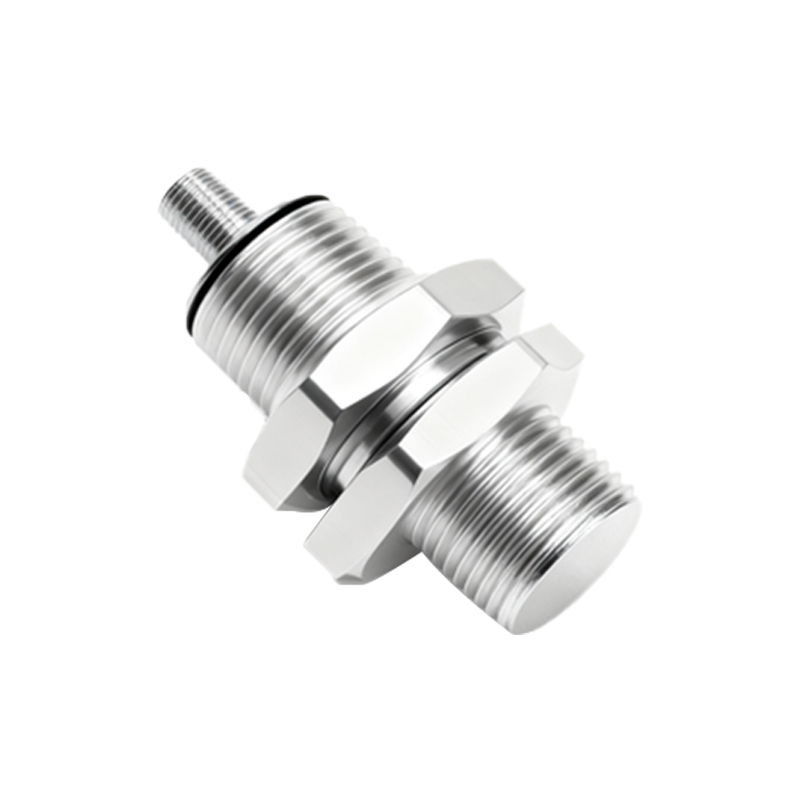
Emerging trends in the sector include the adoption of AI and machine learning to enhance sensor capabilities, allowing for predictive maintenance and real-time analytics. Additionally, the miniaturization of radar components has enabled their use in consumer electronics, such as smartphones and smart home devices, expanding market opportunities. Companies are also addressing concerns around energy efficiency and electromagnetic interference, developing sensors that comply with global regulatory standards. Collaboration with academic institutions and participation in industry consortia help these firms stay ahead in a competitive landscape, fostering innovation in areas like 5G integration and environmental monitoring.
Despite the growth, challenges remain, including high initial costs and the need for specialized expertise in deployment. However, as technology scales and becomes more accessible, radar proximity sensors are poised to play a pivotal role in shaping future smart cities and automated industries. Companies that prioritize customization, customer support, and sustainability are likely to lead the market, driving the next wave of sensor-driven transformations.
In summary, radar proximity sensor companies are essential contributors to modern technological ecosystems, offering solutions that enhance safety, productivity, and connectivity. Their ongoing innovations ensure that industries can adapt to evolving demands, making radar sensing a cornerstone of the digital age.