Proximity switch sensor lights, often referred to as indicator lights or pilot lights integrated with proximity sensors, are fundamental components in modern industrial automation and control systems. These devices combine the non-contact detection capability of a proximity sensor with a visual status indicator, typically an LED. This fusion creates a powerful diagnostic and operational tool on the factory floor, providing immediate, at-a-glance feedback about the sensor's state and the process it is monitoring.
At their core, proximity sensors—whether inductive, capacitive, or photoelectric—detect the presence or absence of a target object without physical contact. Inductive sensors are the workhorses for detecting metallic objects, using an electromagnetic field. Capacitive sensors can detect a wider range of materials, including liquids, powders, and non-metals, by measuring changes in capacitance. Photoelectric sensors utilize a light beam, making them ideal for long-range detection or sensing non-metallic items. The integrated light, usually a bright LED, serves as a direct visual representation of the sensor's output. A steady illuminated light typically signifies that the target object is within the sensing range (the "on" state), while an unlit or differently colored light indicates the absence of the target (the "off" state). Some advanced models feature multi-color LEDs (e.g., green/red) or blinking patterns to convey more complex status information, such as a warning, alignment mode, or fault condition.
The primary advantage of incorporating a sensor light is enhanced operational efficiency and simplified troubleshooting. An operator or maintenance technician can quickly scan a machine or production line and visually confirm which sensors are activated. This immediate feedback is invaluable during setup, commissioning, and routine operation. For instance, when aligning a machine, the sensor light provides real-time confirmation of correct positioning. During a production stoppage, a quick visual check can often isolate the problem to a specific sensor that has failed to detect a part, saving precious diagnostic time. This reduces machine downtime and minimizes the need for complex diagnostic equipment in the initial stages of fault-finding.
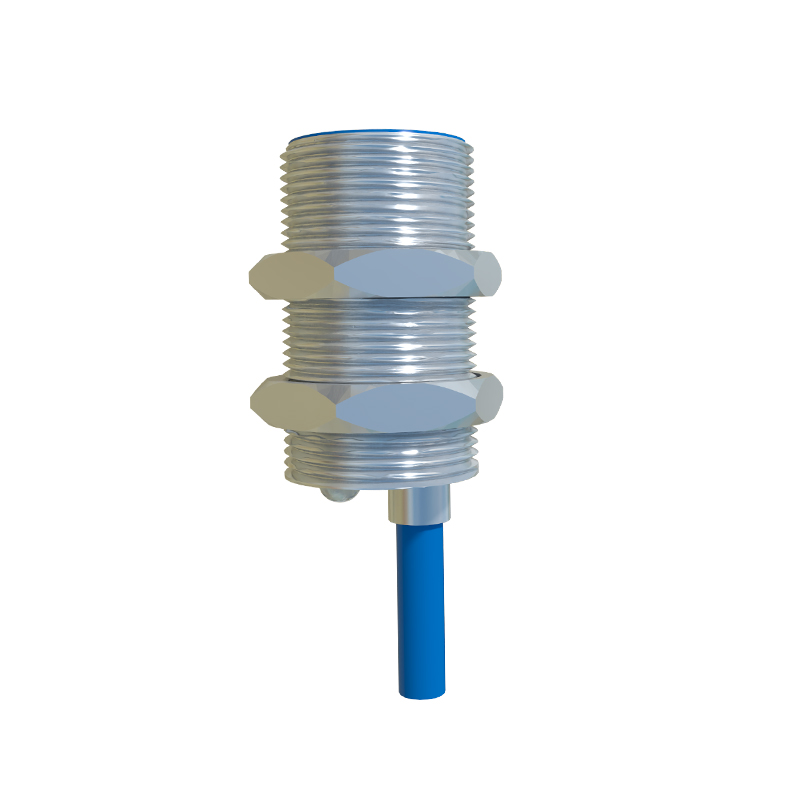
When selecting a proximity switch sensor light for an application, several critical specifications must be considered. First is the sensing technology (inductive, capacitive, photoelectric), chosen based on the target material. The sensing range, defined as the maximum distance at which the sensor can reliably detect the standard target, is crucial for mechanical design. Environmental factors are paramount; the sensor's housing must have an appropriate Ingress Protection (IP) rating (e.g., IP67 for dust-tight and protection against temporary immersion) to withstand washdowns, coolant, or dusty conditions. The electrical output type (e.g., NPN sinking, PNP sourcing, or analog) must be compatible with the programmable logic controller (PLC) or other control system. Finally, the physical form factor—such as cylindrical barrels (M8, M12, M18, M30 threaded barrels) or rectangular blocks—must suit the mounting constraints.
Installation and wiring require attention to detail. Proper mounting ensures the correct and repeatable sensing distance. It is essential to follow the manufacturer's guidelines for minimum separation distances between multiple sensors to prevent mutual interference, known as "crosstalk." Electrical wiring must conform to the specified voltage (commonly 10-30V DC) and polarity. The integrated indicator light draws minimal current and is internally connected to the sensor's switching circuit, requiring no separate wiring. Regular maintenance, though minimal for these solid-state devices, involves periodic cleaning of the sensing face to remove debris, oil, or buildup that could attenuate the sensing field or beam, and verifying the mechanical integrity of the housing and cable.
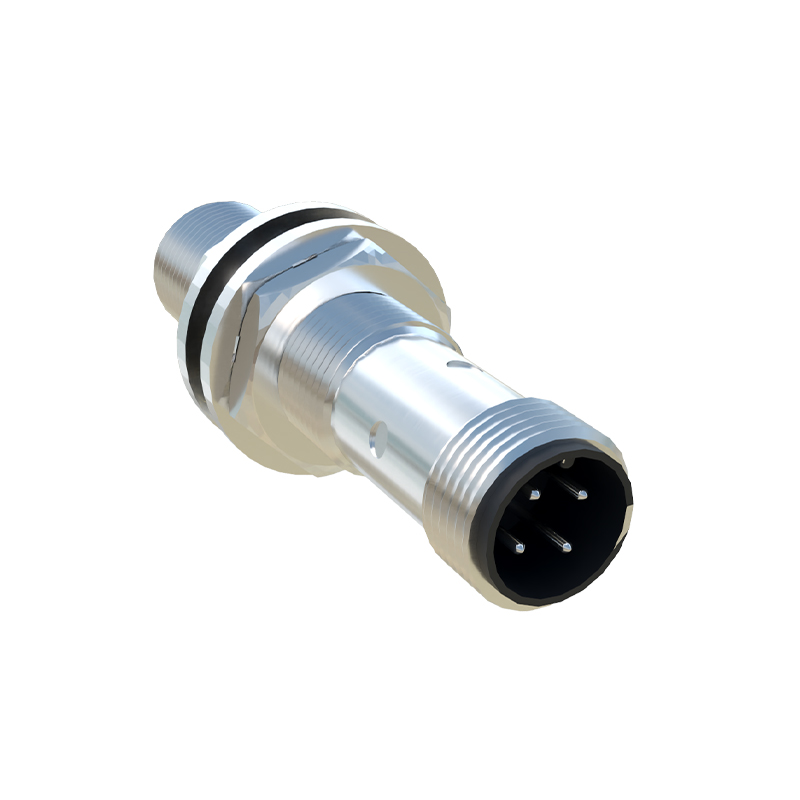
In practice, these sensor lights find ubiquitous use. In automotive assembly, inductive sensors with bright yellow LEDs count metallic components on a conveyor. In packaging machinery, photoelectric sensors with red/green lights ensure cartons are properly positioned for filling. In material handling, capacitive sensors detect the level of plastic pellets in a silo. The visual confirmation provided by the light is a simple yet profound layer of human-machine interface (HMI).
Looking forward, integration with Industrial Internet of Things (IIoT) frameworks is an evolving trend. While the basic indicator light remains a local visual tool, modern sensors increasingly feature IO-Link communication. IO-Link allows the sensor to transmit detailed status data (like temperature, signal strength, or internal diagnostics) beyond a simple on/off signal to the control system. This enables predictive maintenance, where a gradual decrease in signal margin can be flagged before a failure occurs, while the local LED still provides the immediate, reliable visual cue for operators on the line.
In conclusion, proximity switch sensor lights are more than just sensors with a light attached. They are critical components that bridge the gap between complex electronic control and intuitive human understanding. By providing instantaneous visual feedback, they enhance safety, streamline troubleshooting, and improve the overall