In the dynamic landscape of industrial automation and control systems, proximity sensors stand as fundamental components, enabling non-contact detection of objects with precision and reliability. For engineers, procurement specialists, and project managers, navigating the pricing of these sensors is a critical task that directly impacts project budgets, ROI calculations, and overall system performance. The cost of a proximity sensor is not a single figure but a complex equation influenced by a multitude of technical and commercial factors.
Firstly, the underlying technology dictates a significant portion of the cost. Inductive proximity sensors, designed for detecting metallic objects, are generally the most cost-effective for standard applications. Capacitive sensors, capable of detecting both metallic and non-metallic materials, often come at a premium due to their more complex circuitry. Ultrasonic and photoelectric sensors, offering longer ranges and specialized detection capabilities, command higher price points. The choice between a shielded (flush-mountable) or unshielded version also affects price, with shielded variants typically being more expensive.
Sensor specifications are paramount. Sensing range is a primary cost driver; a sensor with a 20mm range will be less expensive than one with a 40mm range for the same technology and housing. The housing material plays a dual role in durability and cost. Standard plastic or nickel-plated brass housings are economical, while stainless steel (particularly V4A/AISI 316L) or specialized PBT/PPS housings for extreme environments increase the price. Connection type is another factor: pre-wired cables are convenient but add cost compared to quick-disconnect (connector) versions, which offer flexibility but require separate connector purchases.
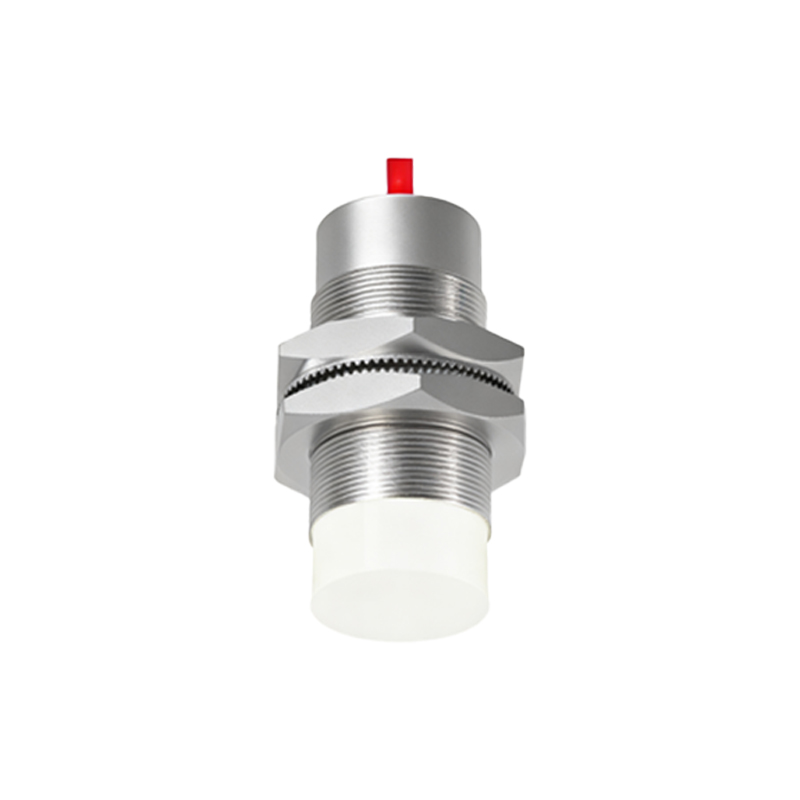
Performance ratings carry substantial weight. Ingress Protection (IP) ratings, such as IP67 or IP69K, ensure resistance to dust and water, adding to manufacturing complexity and cost. Temperature range tolerance, resistance to chemicals or welding spatter, and specific certifications (e.g., ATEX for hazardous areas, UL, CE) all contribute to a higher price tag. A sensor certified for use in explosive atmospheres will be orders of magnitude more expensive than a standard industrial unit.
Output configuration and electrical characteristics are key considerations. Basic two-wire DC sensors are common and cost-efficient. Three-wire DC (PNP or NPN) and four-wire (dual-output) sensors offer more control options at a higher cost. Analog output sensors (4-20mA, 0-10V) for distance measurement are significantly more expensive than simple digital on/off switches. The switching frequency and current rating also influence price; high-speed or high-current models are engineered for more demanding applications.
Beyond the unit price, the total cost of ownership (TCO) must be evaluated. This includes installation time, maintenance needs, and mean time between failures (MTBF). A slightly more expensive sensor from a reputable manufacturer with a longer lifespan and global technical support can offer far better TCO than a cheap, unreliable alternative that causes downtime. Brand reputation and supply chain stability are intangible yet valuable assets reflected in pricing. Established brands invest heavily in R&D, quality control, and global distribution networks.
Market dynamics and order volume are the final pieces of the puzzle. List prices are a starting point, but substantial discounts are often available for OEM volumes or long-term framework agreements. Geographic factors, import duties, and local distributor markups can cause regional price variations. It is always advisable to consult directly with manufacturers or authorized distributors for project-specific quotations.
When seeking a price consultation, be prepared to provide detailed specifications: required technology, sensing distance, housing size and material, electrical requirements (voltage, output type), environmental conditions, and required certifications. A clear understanding of your application will enable suppliers to recommend the most cost-effective solution without compromising on performance or safety. In conclusion, proximity sensor pricing is a reflection of engineered value, reliability, and application suitability. A strategic focus on TCO and precise technical requirements will lead to smarter procurement decisions and optimized system design.