Proximity light sensors, a cornerstone of modern industrial automation and consumer electronics, represent a sophisticated fusion of optical principles and electronic engineering. These devices detect the presence, absence, or distance of an object without physical contact, primarily by emitting a beam of light—often infrared (IR), visible, or laser—and measuring the reflected signal. For electrical engineers, understanding their operation, selection criteria, and integration is paramount for designing efficient and reliable systems.
At their core, most proximity light sensors operate on one of two fundamental principles: through-beam (or opposed) and diffuse reflection (or proximity). Through-beam sensors consist of separate emitter and receiver units. The emitter projects a continuous or modulated light beam to the receiver. An object is detected when it interrupts this beam. This method offers the longest sensing ranges and high reliability, as it is largely immune to the object's color, reflectivity, or surface texture. It is ideal for precise detection in packaging lines or safety curtains.
In contrast, diffuse reflection sensors house both the emitter and receiver in a single housing. The sensor's own light is reflected off the target object back to the receiver. Detection is based on the intensity of the returned light. While more compact and easier to install, their performance is influenced by the target's optical properties. Dark, matte, or non-reflective surfaces can significantly reduce the effective sensing range. Advanced versions, often called background suppression or convergent beam sensors, use triangulation or time-of-flight (ToF) principles to measure distance rather than just reflectivity, making them less sensitive to color and more precise for distance-based tasks.
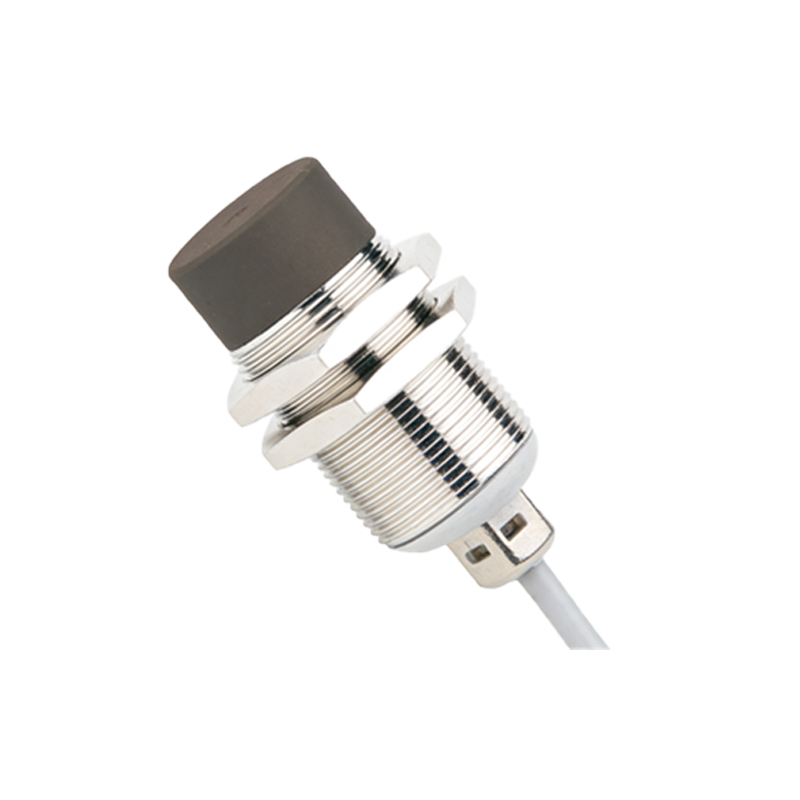
Key specifications demand careful consideration. The sensing range, typically listed for a standard white target (like Kodak 90% reflectance card for diffuse sensors), is a primary parameter. Engineers must account for the actual target material's reflectivity, often applying a derating factor. Response time, the speed at which the sensor can detect a change and toggle its output, is critical for high-speed applications. This can range from microseconds for laser sensors to milliseconds for standard models. Output types are equally important: digital (PNP/NPN transistor, push-pull) for direct PLC input, analog (0-10V, 4-20mA) for distance-proportional signals, or IO-Link for smart, digitally communicated data including diagnostics and parameterization.
Environmental robustness is non-negotiable in industrial settings. Ingress Protection (IP) ratings (e.g., IP67, IP69K) define resistance to dust and water. Operating temperature ranges must accommodate factory floor extremes. Furthermore, immunity to ambient light interference is crucial. Many industrial sensors use modulated IR light with a corresponding tuned receiver, effectively filtering out constant ambient light (like sunlight or room lighting) and only responding to the sensor's own pulsed signal. This ensures stable operation in challenging lighting conditions.
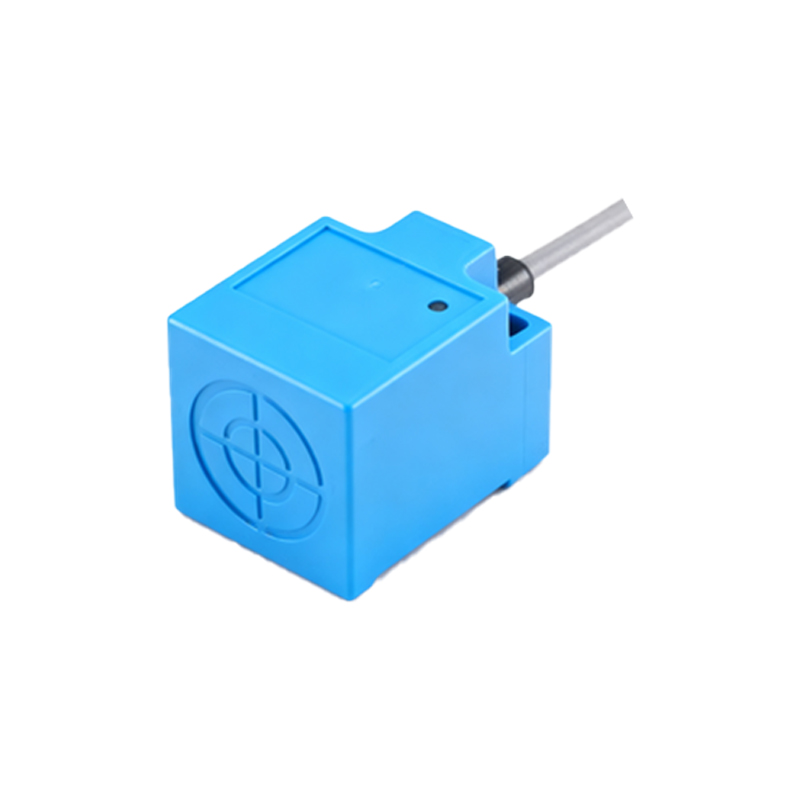
The applications are vast and varied. In automotive assembly, they ensure precise positioning of robotic arms for welding. In material handling, they count objects on conveyors or detect jams. In consumer devices, they enable touchless faucets, smartphone screen blanking during calls, and automatic doors. The rise of Industry 4.0 and the Industrial Internet of Things (IIoT) is further elevating their role. Smart sensors with IO-Link capability not only provide switchpoint data but also transmit health status, operating hours, temperature readings, and allow for remote configuration changes, enabling predictive maintenance and flexible production lines.
Integration best practices involve several critical steps. First, ensure stable mechanical mounting to prevent misalignment, especially for through-beam types. Second, electrical wiring must follow manufacturer guidelines, paying close attention to load compatibility, wire gauge, and proper shielding for analog signals in electrically noisy environments. Always include suppression diodes or RC networks for inductive loads to protect the sensor's output transistor. Third, fine-tuning is essential. For diffuse sensors, use the manufacturer's recommended setup procedure, often involving a teach-in button or remote input to set the detection threshold for the specific target at the desired distance. For analog sensors, calibrate the output scaling in the controller software to translate voltage/current into meaningful engineering units (e.g., millimeters).
Looking ahead, the evolution of proximity light sensors is geared towards miniaturization, enhanced intelligence, and multi-functional capabilities. The integration of time-of-flight (ToF) sensors into compact chipsets is enabling high-precision 3D sensing. Furthermore, the fusion of optical sensing with other data points, such as thermal imaging or vibration analysis, within a single industrial asset management platform, promises a new era of contextual awareness and operational efficiency. For the electrical engineer, mastering these devices is not merely about connecting wires; it is about harnessing light to create smarter, safer, and more responsive automated systems.