In the realm of industrial automation and control, metal proximity sensors stand as indispensable components, providing non-contact detection of metallic objects with remarkable reliability and precision. This series of sensors operates on fundamental electromagnetic principles, primarily through inductive sensing technology. When a metallic target enters the sensor's oscillating electromagnetic field, eddy currents are induced on the target's surface. This phenomenon causes a change in the oscillation amplitude or frequency within the sensor's coil. The integrated circuitry detects this change and triggers a solid-state output signal, effectively indicating the presence or absence of the target without any physical contact. This non-contact nature is a key advantage, eliminating mechanical wear and tear, ensuring long operational life, and enabling high-speed detection in demanding environments.
The metal proximity sensor series encompasses a diverse range of types, each tailored for specific applications and environmental conditions. Standard cylindrical models, such as M8, M12, M18, and M30 threaded housings, are ubiquitous for their versatility and ease of installation. Flat-pack or rectangular sensors offer a low-profile design for space-constrained mounting. Furthermore, sensors are classified by their sensing distance, output type (NPN sinking, PNP sourcing, NO/NC), and connection method (pre-wired cables or quick-disconnect connectors). A critical specification is the sensing range, typically defined for a standard mild steel target. It is crucial to note that different metals affect the sensing distance; for instance, stainless steel may reduce the nominal range by 10-30%, while copper or aluminum can reduce it by up to 60%. Therefore, application-specific selection is paramount.
Selecting the appropriate sensor from the series requires careful consideration of several technical parameters. The operating voltage, commonly 10-30V DC, must match the control system's supply. The output current rating must be sufficient to drive the connected load, such as a PLC input or a relay coil. Environmental factors like temperature range, ingress protection (IP ratings like IP67 or IP69K for washdown areas), and resistance to chemicals, oils, or coolants are vital for longevity. For welding environments, weld-field immune models are essential to resist interference from strong magnetic fields generated during resistance welding processes. High-temperature variants are available for applications near furnaces or casting machines.
The applications for metal proximity sensor series are vast and integral to modern manufacturing. They are extensively used for position sensing—detecting the presence of a cylinder rod in pneumatic or hydraulic actuators, confirming the open/closed status of valves or clamps, and verifying part presence on conveyors or pallets. In automated assembly lines, they count metallic parts, control sorting gates, and ensure proper indexing of rotary tables. In machine tools, they serve as limit switches for axis movement, tool breakage detection, and spindle orientation. Their robustness makes them ideal for harsh settings like steel mills, automotive plants, and material handling systems, where dust, vibration, and moisture are prevalent.
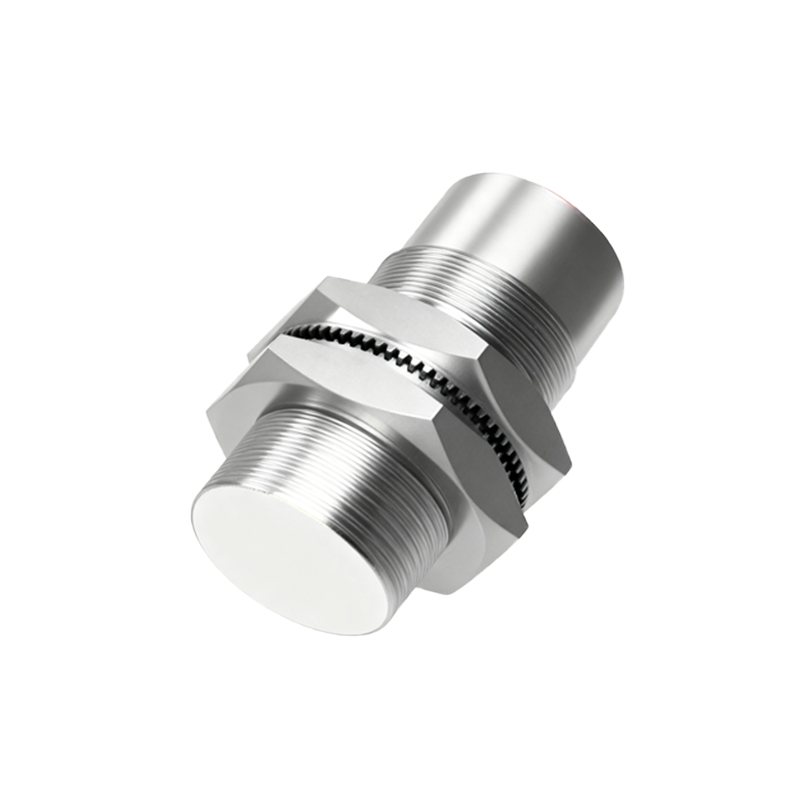
Installation and wiring practices significantly impact sensor performance. Maintaining the proper mounting clearance around the sensing face is essential to prevent interference from the mounting bracket or surrounding metal (a concept known as flush-mounting or non-flush-mounting specifications). Correct polarity must be observed when connecting DC sensors. Shielding and proper grounding are recommended in electrically noisy environments to prevent false triggering. Regular maintenance, though minimal, involves keeping the sensing face clean from metallic debris, paint, or buildup that could attenuate the sensing field. Diagnostic LEDs, a standard feature on most models, provide immediate visual feedback on power status and output activation, simplifying troubleshooting.
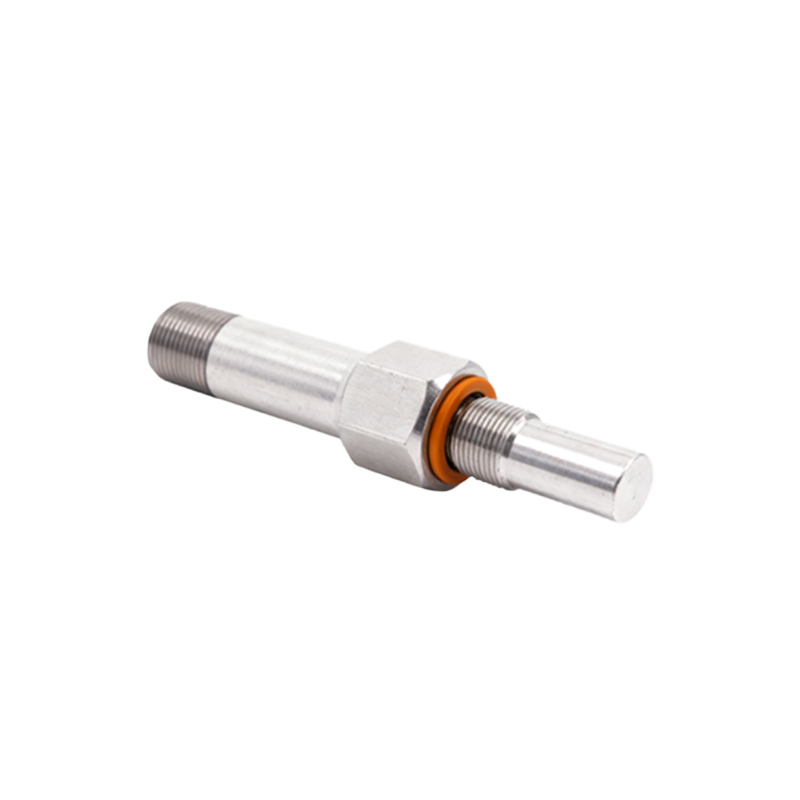
Future trends in metal proximity sensor technology focus on enhancing intelligence and connectivity. IO-Link communication is becoming increasingly integrated, transforming simple sensors into smart devices that can report detailed diagnostic data, parameterize settings remotely, and enable predictive maintenance. Miniaturization continues, with ultra-small M5 and M3 sensors enabling detection in extremely tight spaces. Furthermore, advancements in materials and circuitry are pushing the limits of sensing distances and improving immunity to various metal alloys. As Industry 4.0 and smart factories evolve, the humble metal proximity sensor remains a critical data point, seamlessly integrating into networked control systems to drive efficiency, safety, and productivity across countless industrial operations. Its evolution from a basic switch to an intelligent node underscores its enduring value in automation.