In the landscape of industrial automation and precision measurement, laser scanning sensors have emerged as a cornerstone technology, fundamentally transforming how machines perceive and interact with their environment. These sophisticated devices, which utilize laser beams to rapidly and accurately scan objects or areas, are not merely incremental improvements but represent a paradigm shift in sensing capabilities. Their significance spans across diverse sectors, from manufacturing and logistics to robotics and safety systems, driving efficiency, accuracy, and innovation to unprecedented levels.
At its core, a laser scanning sensor operates by emitting a laser beam that sweeps across a target area. The sensor then detects the reflected light, calculating distance and profiling surfaces based on the time-of-flight principle or triangulation. This process generates dense, high-resolution point cloud data, creating a precise digital representation of the scanned object or environment. Unlike traditional single-point sensors, laser scanners capture millions of data points per second, providing a comprehensive spatial understanding that is critical for complex applications.
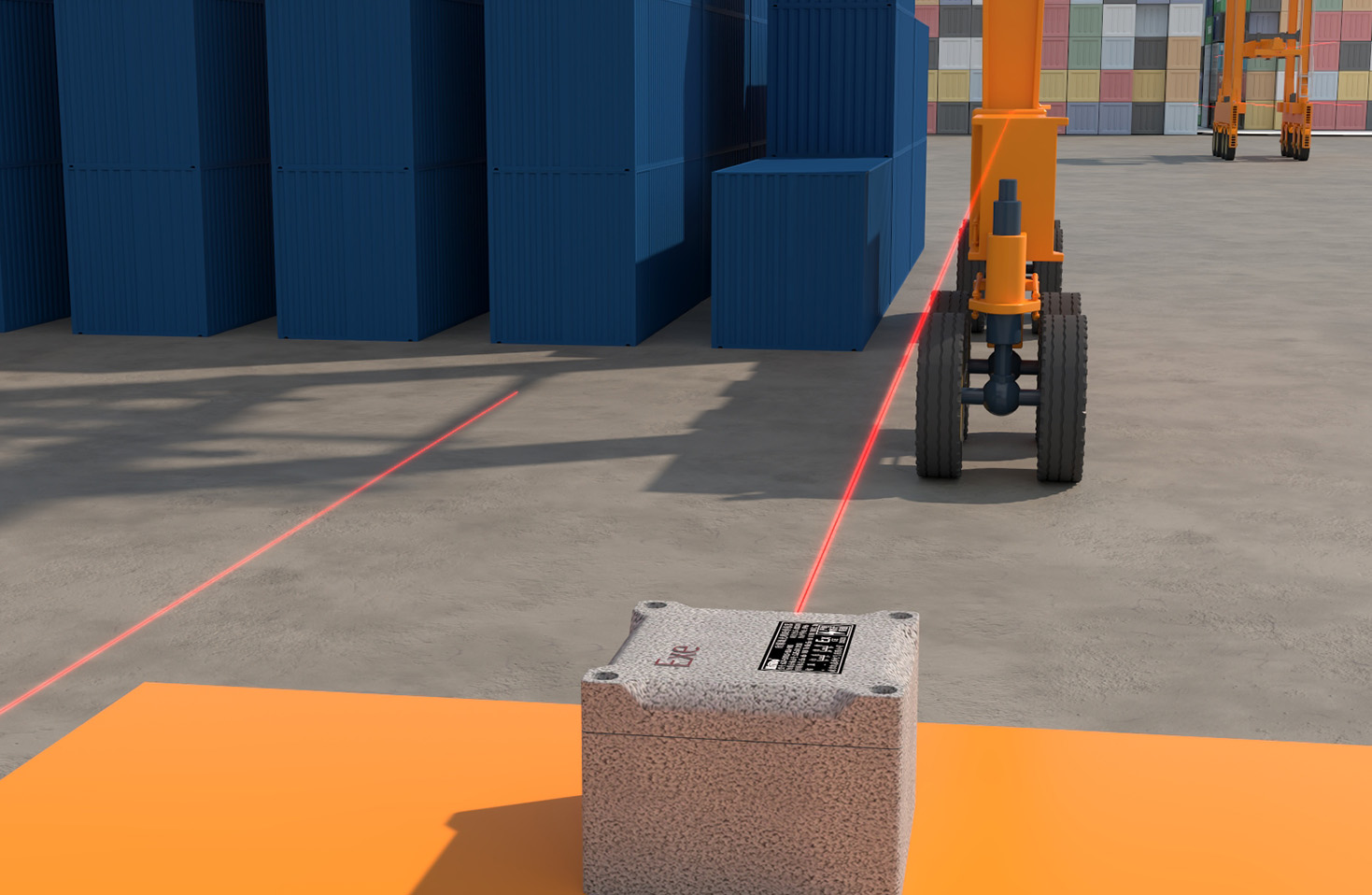
The primary significance of laser scanning sensors lies in their unparalleled precision and speed. In manufacturing, for instance, they are indispensable for quality control and inspection. They can detect minute defects, measure intricate part geometries, and verify assembly tolerances with micron-level accuracy, all at production line speeds. This capability ensures product consistency, reduces waste, and minimizes costly recalls. In automotive assembly, laser scanners guide robots to precisely position components like windshields or weld seams, enhancing both quality and throughput.

Beyond measurement, these sensors are the "eyes" of autonomous systems. In automated guided vehicles (AGVs) and mobile robots, laser scanners create real-time, 360-degree maps of their surroundings. They enable obstacle detection, navigation, and collision avoidance in dynamic environments such as warehouses or factories. This allows for flexible, safe, and efficient material handling without the need for fixed guide paths, revolutionizing logistics and internal supply chains.
Another critical area of impact is in safety. Safety laser scanners are deployed to create invisible protective fields around hazardous machinery. If a person or object breaches this field, the system can instantly trigger a machine shutdown, preventing accidents. This non-contact safety solution offers greater flexibility and reliability compared to physical barriers or light curtains, ensuring worker protection while maintaining operational fluidity.
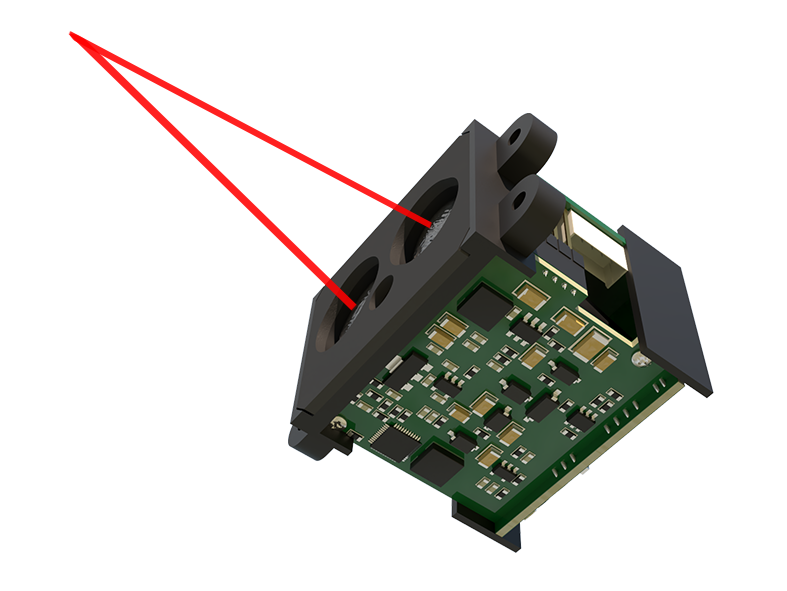
Furthermore, laser scanning sensors facilitate the integration of Industry 4.0 principles. The rich, digital data they produce can be fed into digital twin models, allowing for virtual simulation, analysis, and optimization of physical processes. This data-driven approach enables predictive maintenance, process optimization, and greater overall equipment effectiveness (OEE).
The evolution of laser scanning technology continues, with trends toward miniaturization, increased resolution, and enhanced data processing through edge computing and AI integration. These advancements promise even broader adoption and more intelligent applications.
In conclusion, the significance of laser scanning sensors is profound and multifaceted. They are not just tools for measurement but enablers of automation, guardians of safety, and catalysts for digital transformation. By providing reliable, high-speed, and precise environmental perception, they form an essential technological backbone for modern industry, empowering smarter, safer, and more efficient operations across the globe. Their role will only expand as industries continue to pursue greater autonomy and data-centric decision-making.