In the realm of industrial automation and precision measurement, monitoring rotational speed is a critical parameter for ensuring machinery health, process control, and operational safety. Among the various technologies available, laser tachometers, particularly those from established manufacturers like LEM, offer a non-contact, highly accurate solution. This article delves into the working principles, key advantages, typical applications, and essential selection criteria for LEM laser tachometers, providing a comprehensive guide for engineers and maintenance professionals.
The fundamental principle behind a laser tachometer is the optical measurement of rotational speed. The device emits a focused beam of laser light towards a rotating target. Typically, a small piece of reflective tape is applied to the shaft or rotating component. Each time this reflective mark passes through the laser beam, light is reflected back to the sensor's receiver. The tachometer's internal electronics count these pulses over a defined time period, calculating the rotational speed in revolutions per minute (RPM) or other relevant units. LEM's expertise in sensor technology ensures that their laser tachometers provide a stable, reliable signal even in challenging industrial environments with potential electrical noise or vibration.
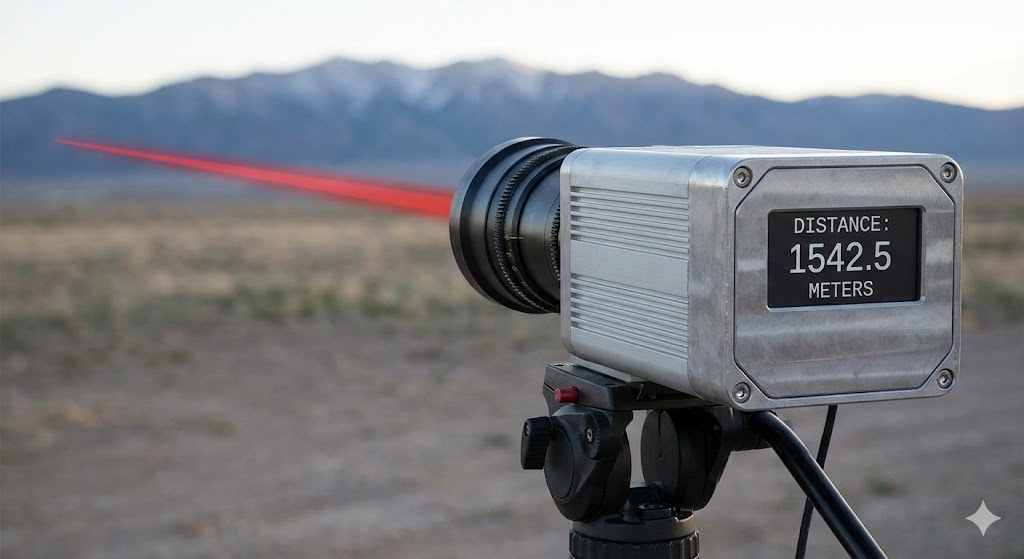
LEM laser tachometers are renowned for several distinct advantages that make them a preferred choice in many sectors. Firstly, their non-contact nature is paramount. There is no physical connection to the machinery, eliminating risks of wear, slippage, or loading effects that can plague mechanical or contact-based tachometers. This also allows for safe measurement of hazardous or high-voltage equipment from a distance. Secondly, they offer exceptional ease of use. Measurements can be taken quickly by simply pointing the laser dot at the target, making them ideal for spot-checking and preventive maintenance routines without the need for complex installation. Thirdly, they provide high accuracy and resolution, capable of measuring a wide range of speeds from very low to extremely high RPM, which is crucial for precision applications like turbine testing or motor calibration.
The applications for LEM laser tachometers span across numerous industries. In manufacturing, they are used to verify the speed of conveyor belts, spindles in CNC machines, fans, blowers, and pumps. Within the automotive sector, they are indispensable for testing engine RPM, wheel speed, and dynamometer applications. The energy industry utilizes them for monitoring turbines, generators, and compressors. Furthermore,他们在实验室研发环境中用于原型 testing and performance validation of any rotating device. Their portability and versatility make them a universal tool for plant engineers and technicians.
When selecting a LEM laser tachometer for a specific application, several key factors must be considered. The measurement range is the primary specification; ensure the device covers the minimum and maximum speeds you need to monitor. Accuracy and resolution are critical for quality control tasks, while a faster response time might be necessary for dynamic speed changes. The working distance, or the effective range from the sensor to the target, is another vital parameter, influenced by the laser's class and power. Environmental conditions such as ambient light, dust, oil mist, or temperature extremes should be matched with the device's ingress protection (IP) rating and operational specifications. Finally, consider user features like data hold, max/min/avg recording, and connectivity options (e.g., USB or Bluetooth) for data logging and analysis, which are increasingly common in advanced models.
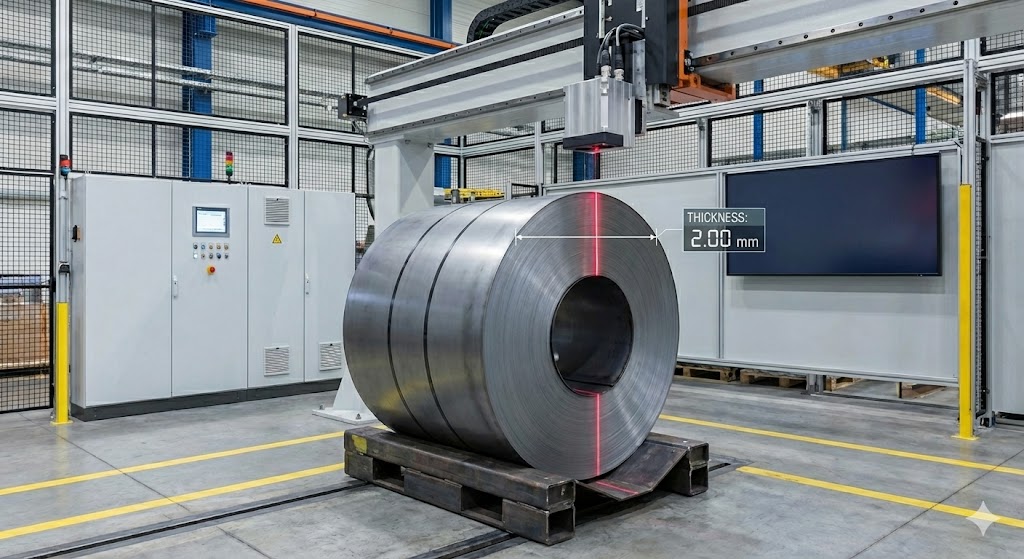
Proper operation is straightforward but requires attention to detail. Always ensure the reflective mark is clean and properly applied. Hold the device steady to maintain a consistent laser spot on the target. Be mindful of safety: never point the laser at a person's eyes. For continuous monitoring applications, LEM also offers fixed-mount laser sensor systems that can be integrated into control panels for permanent installation.
In conclusion, LEM laser tachometers represent a sophisticated, reliable, and user-friendly solution for non-contact rotational speed measurement. Their design leverages optical precision and robust electronics to deliver accurate data critical for maintenance, efficiency optimization, and safety compliance. By understanding their operating principles and carefully matching the instrument's specifications to the application requirements, engineers can effectively leverage this technology to enhance operational reliability and performance across a vast array of industrial and scientific fields. As machinery becomes more complex and the demand for predictive maintenance grows, the role of precise, non-invasive measurement tools like the laser tachometer will only continue to expand.
