Proximity sensors are indispensable components in today's automated industrial systems, serving as critical tools for detecting the presence or absence of objects without physical contact. These devices operate based on various principles, including inductive, capacitive, ultrasonic, and photoelectric technologies, each tailored to specific environmental and material requirements. Their primary function is to enable precise, reliable, and non-invasive monitoring, which enhances efficiency, safety, and productivity across numerous sectors.
In manufacturing and assembly lines, proximity sensors play a pivotal role in object detection, positioning, and counting. For instance, inductive sensors are commonly used to detect metallic objects, such as machine parts or conveyor components, ensuring accurate placement and preventing collisions. Capacitive sensors, on the other hand, can identify non-metallic materials like plastics, liquids, or wood, making them ideal for packaging, food processing, and pharmaceutical applications. By providing real-time feedback, these sensors help automate processes, reduce downtime, and minimize human error, leading to cost savings and improved output quality.
Beyond production, proximity sensors contribute significantly to safety systems. In hazardous environments, such as chemical plants or heavy machinery zones, they act as non-contact safety switches, triggering alarms or shutting down equipment when unauthorized access is detected. Ultrasonic sensors, which use sound waves to measure distance, are particularly effective in challenging conditions like dust, smoke, or varying temperatures, ensuring reliable operation in mining, automotive, and aerospace industries. This capability not only protects workers but also safeguards expensive machinery from damage.
The integration of proximity sensors with IoT (Internet of Things) and Industry 4.0 technologies has further expanded their utility. Smart sensors equipped with connectivity features can transmit data to centralized control systems, enabling predictive maintenance and real-time analytics. For example, in automotive manufacturing, sensors monitor tool wear or part alignment, alerting operators to potential issues before they escalate. This proactive approach reduces maintenance costs and extends equipment lifespan, supporting sustainable operations.
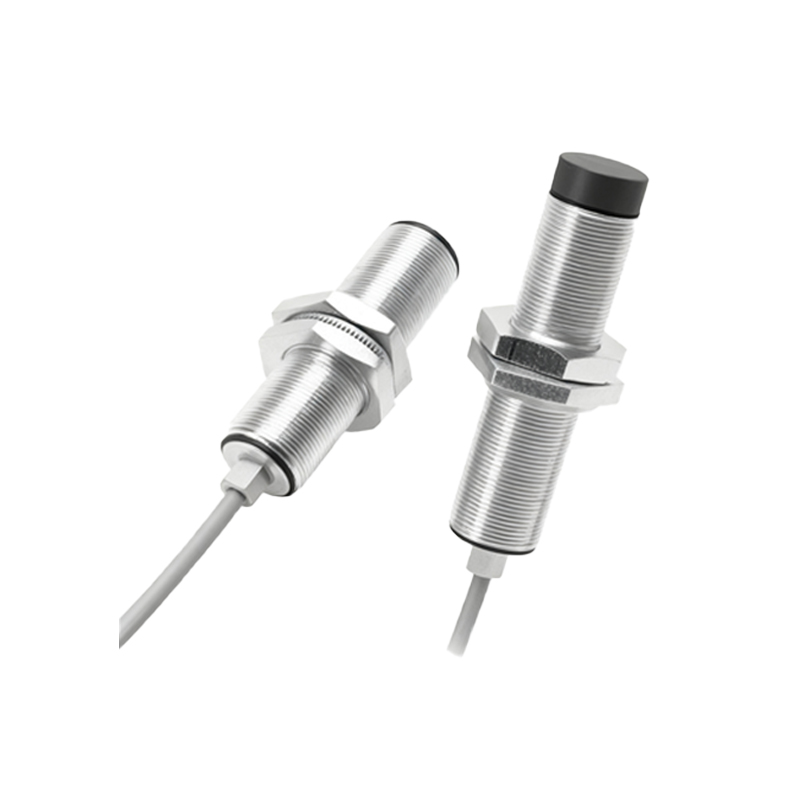
In robotics and automation, proximity sensors are essential for navigation and object manipulation. Robots rely on these sensors to detect obstacles, adjust movements, and handle delicate items without causing damage. Photoelectric sensors, which use light beams to detect objects, are widely used in robotic arms for precise picking and placing tasks. This enhances flexibility in production lines, allowing for rapid reconfiguration to accommodate different products or batch sizes.
Energy efficiency is another area where proximity sensors make a substantial impact. In building automation, they control lighting, heating, and cooling systems by detecting human presence, thereby reducing energy consumption in offices, hospitals, and smart homes. Similarly, in automotive applications, sensors enable features like automatic door opening or adaptive cruise control, improving user convenience and fuel economy.
Despite their advantages, selecting the right proximity sensor requires careful consideration of factors such as sensing range, material compatibility, environmental conditions, and cost. Engineers must evaluate application-specific needs to optimize performance. For instance, in high-vibration settings, robust sensors with high immunity to interference are necessary, while in sanitary environments, stainless steel housings may be preferred.
Looking ahead, advancements in miniaturization and AI-driven analytics are set to enhance proximity sensor capabilities further. Emerging trends include the development of multi-functional sensors that combine detection with environmental monitoring, such as measuring temperature or humidity. As industries continue to embrace automation, the demand for innovative proximity sensing solutions will grow, driving progress toward smarter, safer, and more efficient systems.
In summary, proximity sensors are versatile devices that underpin modern industrial operations. From enhancing precision in manufacturing to ensuring safety and promoting sustainability, their applications are vast and evolving. By understanding their functions and leveraging appropriate technologies, businesses can unlock new levels of operational excellence and competitive advantage.