In the realm of industrial automation and precision measurement, the evolution of laser sensor technology has been nothing short of revolutionary. Among the various types available, small spot laser sensors stand out for their exceptional accuracy and versatility. These sensors utilize a focused laser beam, often with a spot size as minute as a few micrometers, to perform non-contact measurements of distance, displacement, thickness, and surface profile. Their ability to deliver high-resolution data makes them indispensable in sectors where micron-level precision is non-negotiable, such as semiconductor manufacturing, electronics assembly, and precision engineering.
The core principle behind a small spot laser sensor is triangulation. The sensor emits a concentrated laser beam onto the target surface. The reflected light is then captured by a receiving lens at a specific angle and focused onto a position-sensitive detector, typically a CCD or CMOS array. Any change in the target's distance or position causes a shift in the location of the reflected light spot on the detector. This shift is precisely calculated by the sensor's internal processor to determine the exact measurement value. The minimal spot size is crucial here; it allows the sensor to measure very small features, edges, or intricate surface textures that larger-spot sensors would simply average out or miss entirely.
Key advantages of employing small spot laser sensors are manifold. First and foremost is their high spatial resolution. By concentrating laser energy into a tiny area, they can detect minute variations and defects. This is critical for quality control in applications like inspecting solder joints on printed circuit boards (PCBs), measuring the thickness of thin films or coatings, and profiling micro-machined components. Secondly, their non-contact nature eliminates the risk of damaging delicate or soft materials, a common drawback of tactile probes. Furthermore, they offer high-speed response, capable of taking thousands of measurements per second, which is essential for in-line production monitoring and real-time feedback control systems.
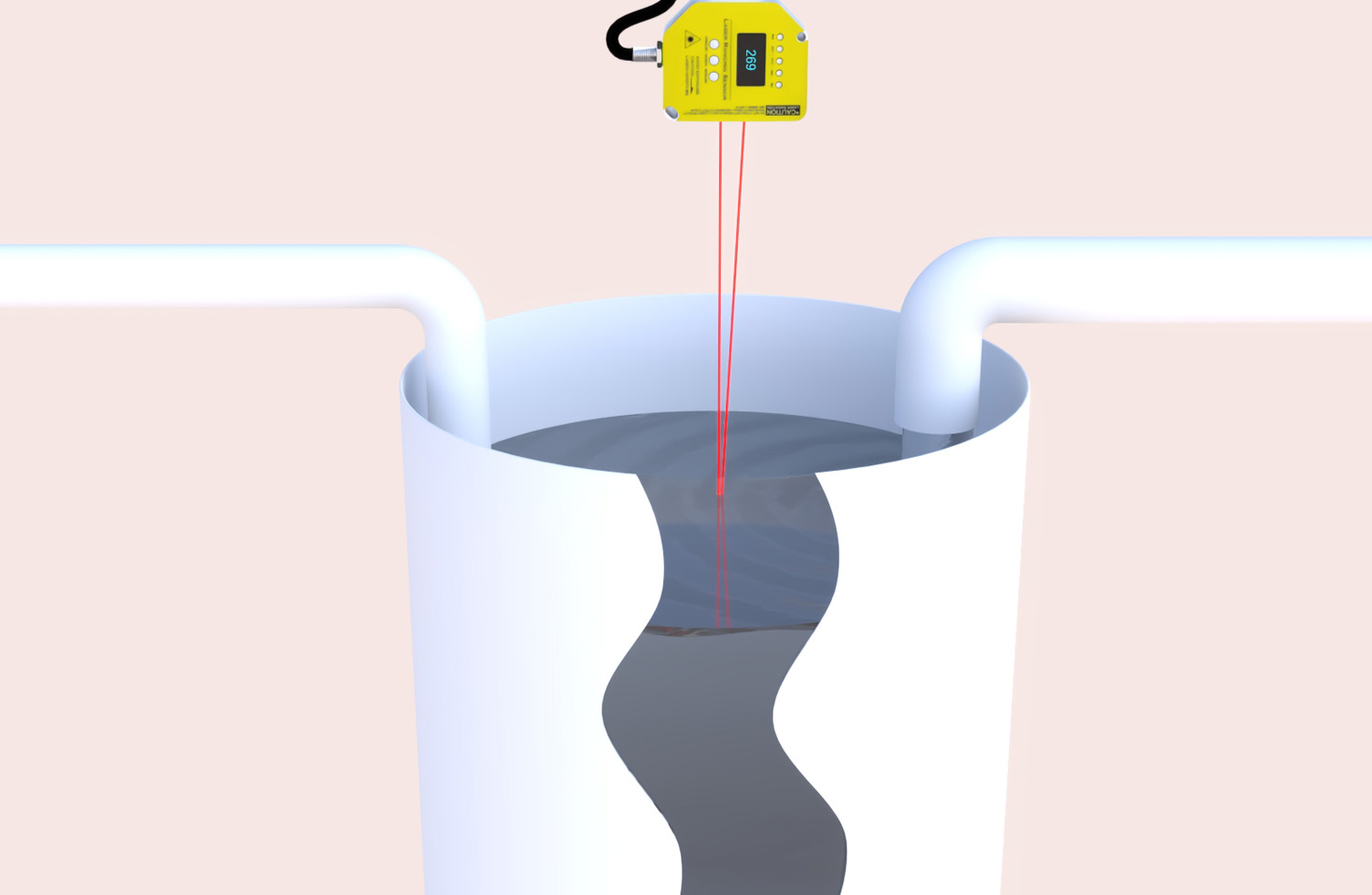
However, the deployment of these sophisticated sensors is not without its challenges. Surface characteristics significantly influence performance. Highly reflective, transparent, or absorptive materials can distort the laser beam, leading to measurement errors or signal loss. Modern sensors combat this with advanced features like automatic exposure control, multiple echo processing, and specialized algorithms to filter noise. Environmental factors such as ambient light, dust, and vibration must also be considered during installation, often necessitating protective housings or strategic placement.
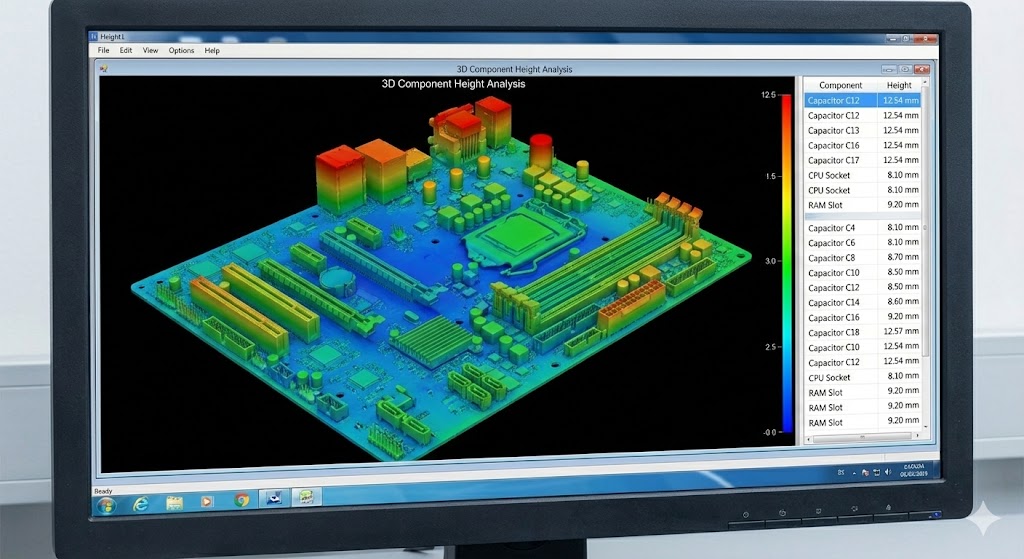
When selecting a small spot laser sensor for a specific application, several technical parameters demand careful evaluation. The spot diameter, often specified at a certain working distance, defines the minimum feature size the sensor can resolve. The measuring range indicates the distance over which it can operate accurately. Repeatability and linearity are vital specifications that define the sensor's precision and consistency. Additionally, interface options (e.g., analog voltage, digital I/O, Ethernet, IO-Link) determine how seamlessly the sensor integrates into the broader control network.
Looking ahead, the integration of small spot laser sensors with Industry 4.0 frameworks is a clear trend. Smart sensors with embedded intelligence can perform preliminary data analysis, communicate directly with cloud platforms for predictive maintenance, and self-adjust parameters based on the target material. This convergence of precise metrology and digital connectivity is paving the way for smarter, more adaptive, and highly efficient manufacturing ecosystems.
In conclusion, small spot laser sensors are pivotal tools driving advancements in precision manufacturing and quality assurance. Their unique capability to provide exact, non-contact measurements of microscopic features empowers industries to achieve higher standards of product quality, reduce waste, and optimize production processes. As technology continues to advance, these sensors will undoubtedly become even more compact, robust, and intelligent, further solidifying their role as a cornerstone of modern industrial automation.