In the realm of industrial automation and control, the demand for robust and reliable sensing solutions is paramount. Among the critical components ensuring operational continuity and safety are pressure-resistant proximity sensors. These specialized devices are engineered to perform with unwavering accuracy in environments where standard sensors would fail, such as high-pressure washdown areas, hydraulic systems, submerged applications, and deep-sea operations. Their design and construction represent a significant advancement in sensor technology, addressing the unique challenges posed by extreme pressure conditions.
The core function of a proximity sensor is to detect the presence or absence of an object without physical contact, typically using electromagnetic fields, light, or sound. A pressure-resistant variant incorporates critical design enhancements to withstand external pressure forces that could compromise integrity and functionality. The primary defense is a hermetically sealed housing, often constructed from high-grade stainless steel (e.g., 316L), brass, or specialized engineering plastics like PEEK. This housing is designed to prevent the ingress of fluids and gases, maintaining a stable internal environment for the sensitive electronic components. The sealing technology, involving advanced gaskets, O-rings, and welding techniques, is rated according to international standards such as IP (Ingress Protection) codes (e.g., IP68, IP69K) and pressure ratings like 10 bar, 100 bar, or even higher for subsea applications.
Internally, the sensing element—whether inductive, capacitive, or ultrasonic—is protected from mechanical stress induced by pressure differentials. For inductive sensors, which detect metallic objects, the coil and oscillator circuit are potted with specialized epoxy resins. This potting compound not only provides additional sealing but also dampens vibrations and protects against thermal shock. The output circuitry is similarly fortified, ensuring stable switching signals even when the external housing is subjected to significant compressive forces.
The applications for pressure-resistant proximity sensors are diverse and critical. In the food and beverage industry, they are indispensable in Clean-in-Place (CIP) and Sterilize-in-Place (SIP) systems, where equipment undergoes high-pressure, high-temperature cleaning with caustic solutions. Here, sensors must resist both pressure and chemical corrosion. In hydraulic and pneumatic systems, they monitor piston position within cylinders, operating reliably amidst fluid pressures that can exceed several hundred bar. The offshore oil and gas sector relies on these sensors for subsea drilling and pipeline operations, where they must endure immense hydrostatic pressure, low temperatures, and corrosive seawater. Furthermore, they are found in high-pressure processing (HPP) equipment for food preservation and in various test stands for automotive and aerospace components.
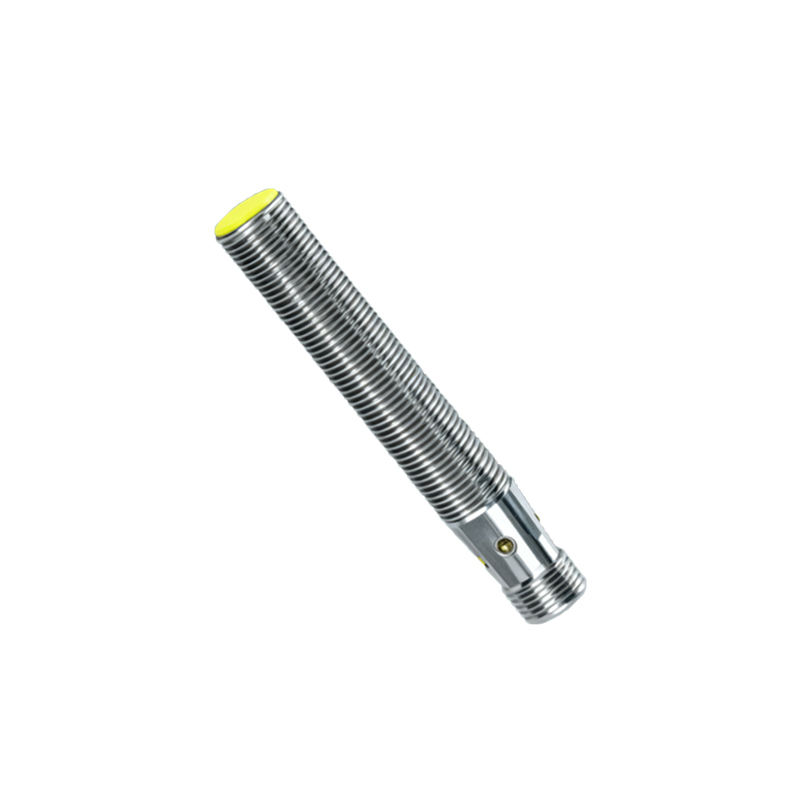
Selecting the appropriate pressure-resistant proximity sensor requires careful consideration of several parameters beyond the standard sensing range and output type. The maximum operating pressure and pressure resistance rating are, of course, primary. Engineers must also evaluate the media compatibility—ensuring housing and seal materials are suitable for contact with specific fluids or gases. Temperature range is crucial, as high pressure often correlates with extreme temperatures. The type of pressure exposure, whether static, dynamic, or involving rapid pressure cycles (water hammer effect), influences the choice of sensor design and mounting style. Electrical connections also require attention; connectors must be equally pressure-rated, or sensors may feature integral, potted cables with robust strain relief.
Installation and maintenance practices are vital for realizing the full lifespan of these sensors. Proper mounting, using the correct torque on sealing elements, is essential to maintain the integrity of the pressure seal. While these sensors are designed for durability, regular checks for housing integrity, seal degradation, and cable condition are recommended, especially in cyclical pressure environments.
In conclusion, pressure-resistant proximity sensors are a testament to precision engineering, enabling automation in the most demanding industrial landscapes. They bridge the gap between sensitive electronic detection and the brutal forces of high-pressure environments. By ensuring reliable object detection and position feedback where it was once impossible, they enhance system safety, optimize processes, reduce downtime, and contribute significantly to the advancement of industries operating at the edge of physical extremes. Their continued evolution, incorporating smarter diagnostics and even greater resilience, will further empower engineers to tackle future challenges in automation and control.