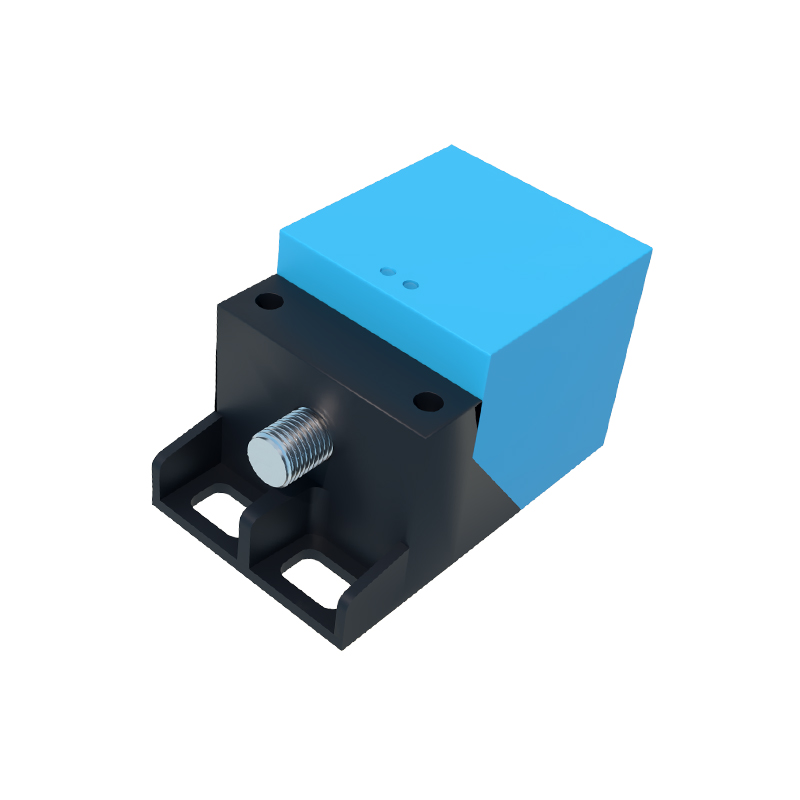
In industrial automation and machinery design, proximity sensors are critical components for detecting the presence or absence of objects without physical contact. As an experienced electrical engineer, I have overseen numerous procurement projects for these sensors and understand the technical nuances that ensure optimal performance. This guide outlines key considerations when purchasing proximity sensors, covering technical parameters, application environments, and supplier evaluation criteria.
Proximity sensors operate based on electromagnetic fields, capacitive changes, or ultrasonic waves. Inductive sensors are ideal for metal detection, while capacitive variants can sense non-metallic materials like plastics or liquids. Ultrasonic sensors offer longer detection ranges and are suitable for challenging environments with dust or moisture. When specifying a sensor, engineers must first define the sensing distance, which typically ranges from 2mm to 60mm for standard models. Exceeding the nominal sensing range can lead to unreliable readings, so a safety margin of 10-15% is recommended.
Output configuration is another vital factor. Most industrial sensors provide either NPN (sinking) or PNP (sourcing) transistor outputs, with some offering analog (4-20mA or 0-10V) or IO-Link digital communication. The choice depends on the control system interface. For instance, PLCs in European machinery often require PNP outputs, while Asian equipment may use NPN. Additionally, consider the sensor’s housing material—stainless steel or nickel-plated brass for corrosive environments, and plastic for cost-sensitive applications.
Environmental resilience cannot be overlooked. Ingress Protection (IP) ratings such as IP67 or IP69K indicate resistance to dust and water immersion, crucial for washdown areas in food processing. Temperature tolerance is equally important; standard sensors operate between -25°C to 70°C, but high-temperature models can withstand up to 150°C for foundries or welding lines. Vibration resistance, typically up to 30g, ensures longevity in heavy machinery.
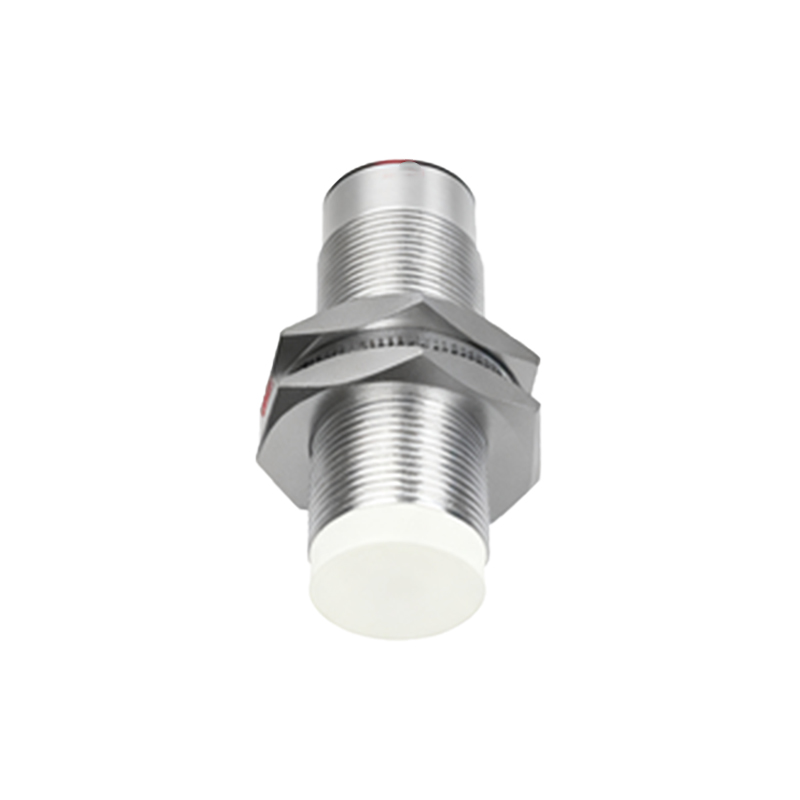
When selecting suppliers, prioritize those with ISO 9001 certification and a proven track record in your industry. Request detailed datasheets that include response time (often under 1ms), repeat accuracy, and hysteresis data. Reputable manufacturers like Omron, Sick, or Balluff provide comprehensive technical support and customization options. Avoid basing decisions solely on price—low-cost sensors may compromise on materials or calibration, leading to frequent failures and downtime.
Finally, always test samples in real operating conditions before bulk procurement. Simulate worst-case scenarios, such as electrical noise from variable frequency drives or rapid temperature fluctuations. Document performance metrics and compare them against specifications. By adhering to these guidelines, engineers can procure reliable proximity sensors that enhance system efficiency and reduce maintenance costs.