In the dynamic landscape of industrial automation, proximity sensors stand as critical components for enabling non-contact detection, enhancing efficiency, and ensuring operational safety. As a seasoned electrical engineer with extensive field experience, I present a detailed overview of prevalent proximity sensor models, their technical specifications, and optimal application scenarios. This guide aims to assist professionals in selecting the right sensor for their specific needs.
Proximity sensors are primarily categorized based on their detection principle: inductive, capacitive, ultrasonic, and photoelectric. Each type possesses distinct characteristics tailored to different industrial environments.
Inductive proximity sensors are widely utilized for detecting metallic objects. Common models include the cylindrical M12 and M18 series, known for their robustness in harsh conditions. For instance, the M12-4mm model offers a sensing range of up to 4mm and is ideal for high-speed counting on conveyor belts. The M30-15mm variant, with a longer range, is frequently employed in metal machining for part positioning. Key specifications to consider are switching frequency, which can reach 5kHz in advanced models, and housing materials like nickel-plated brass or stainless steel for corrosion resistance.
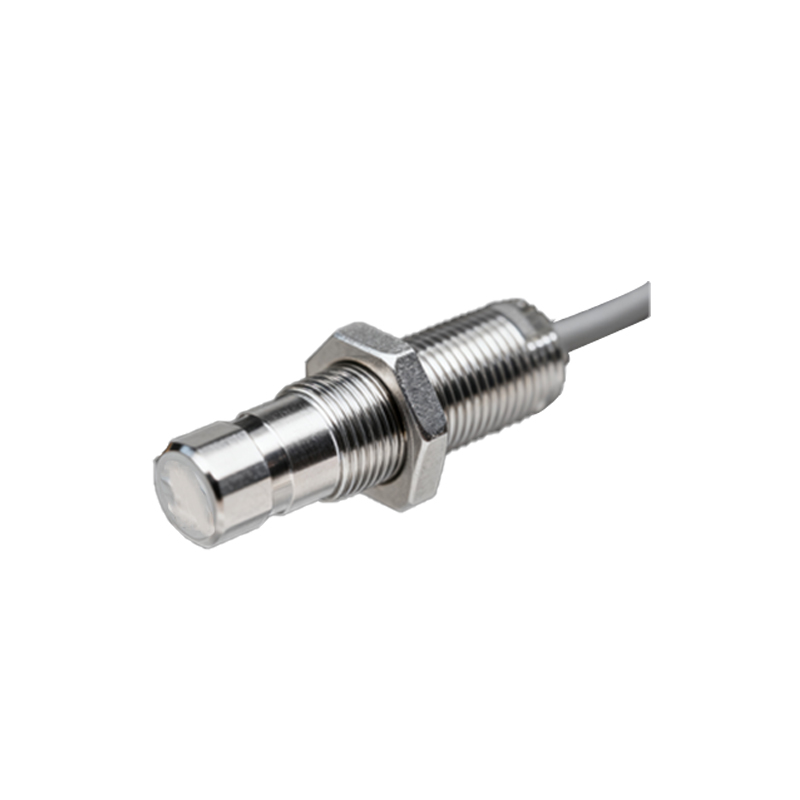
Capacitive proximity sensors, such as the CQ35-15N series, detect both metallic and non-metallic materials, including liquids and plastics. These models feature adjustable sensitivity, making them suitable for level detection in tanks or packaging lines. The CR18-8NA model, with an 8mm range, is often chosen for detecting glass or wood in assembly processes. Engineers must account for environmental factors like humidity, which can influence capacitive coupling.
Ultrasonic sensors, like the UC500-30GM series, provide long-range detection up to 8 meters and are insensitive to color or material transparency. They excel in applications such as bulk material level monitoring or distance measurement in automated storage systems. Models with analog outputs (e.g., 4-20mA) allow for continuous monitoring, while those with switching outputs are used for threshold-based control.
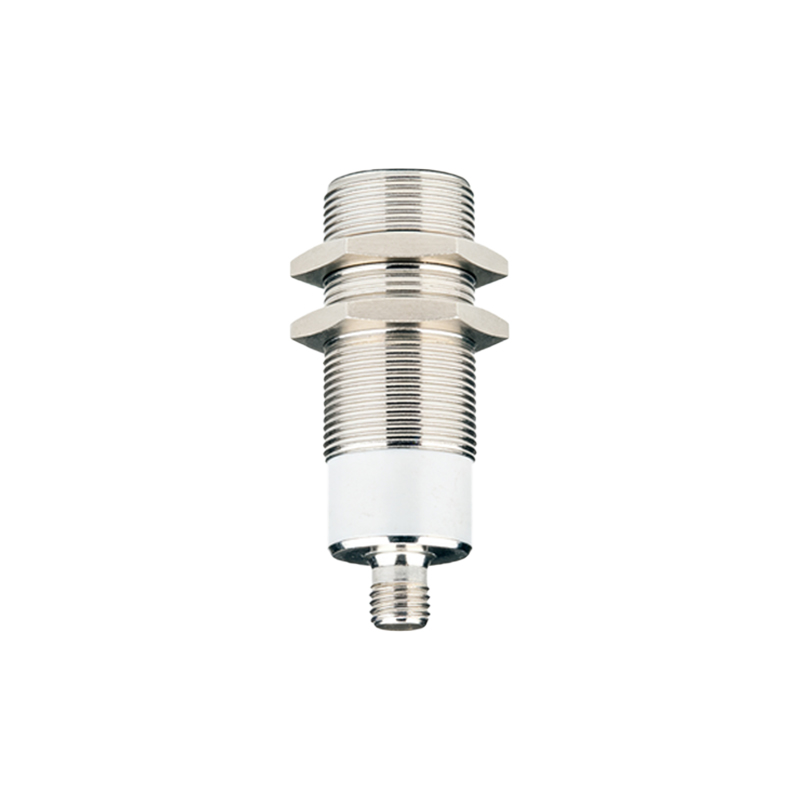
Photoelectric sensors include diffuse, retro-reflective, and through-beam models. The E3Z-D61 diffuse sensor is compact and effective for detecting small objects at short ranges. For longer distances, the E3JK-5M4 through-beam sensor offers reliable detection up to 5 meters, commonly used in safety light curtains. Recent advancements incorporate IO-Link communication in models like the SI-Q5, enabling real-time diagnostics and parameter adjustments via industrial networks.
When selecting a proximity sensor, engineers must evaluate several parameters: sensing distance, response time, environmental rating (IP67 or higher for dust and water resistance), and output type (PNP/NPN). For example, in automotive manufacturing, inductive sensors with high-temperature tolerance (up to 100°C) are preferred near welding stations. In food processing, capacitive sensors with FDA-compliant materials prevent contamination.
Installation and maintenance are equally crucial. Ensure proper alignment and avoid interference from adjacent metal surfaces or electrical noise. Regular testing with target objects verifies performance over time. Many modern sensors feature LED indicators for status monitoring, reducing downtime.
In conclusion, the choice of proximity sensor model directly impacts system reliability and productivity. By understanding the nuances of each type—inductive for metals, capacitive for diverse materials, ultrasonic for long range, and photoelectric for precision—engineers can optimize automation setups. Always refer to manufacturer datasheets for exact specifications and consult with suppliers for custom solutions in complex applications. As technology evolves, integrating smart sensors with IoT capabilities will further revolutionize industrial sensing, paving the way for more adaptive and efficient operations.