Proximity switch sensors are fundamental components in modern industrial automation and electrical control systems. As an electrical engineer with years of field experience, I've witnessed their evolution from basic inductive types to sophisticated, application-specific models. These non-contact sensors detect the presence or absence of an object without physical contact, offering unparalleled reliability and longevity in harsh industrial environments.
The core principle behind proximity sensors involves generating an electromagnetic field or beam. When a target object enters this field, it causes a change in the sensor's oscillation or signal, which is then converted into an electrical output signal. This simple yet effective mechanism eliminates mechanical wear, making them superior to traditional limit switches in countless applications.
Several primary types dominate industrial use. Inductive proximity sensors are workhorses for detecting metallic objects. They generate an electromagnetic field and detect eddy currents induced in conductive materials. Common in machine tools and automotive assembly lines, they offer excellent repeatability and resistance to environmental contaminants like oil and dust. Capacitive proximity sensors, on the other hand, can detect both metallic and non-metallic materials—liquids, plastics, wood, and even granular substances. They work by sensing changes in capacitance when an object enters their electrostatic field. You'll find them in level detection systems, material handling, and packaging machinery.
For longer-range detection or specific material requirements, photoelectric and ultrasonic sensors come into play. Photoelectric sensors use a light beam (visible, infrared, or laser) and are ideal for detecting small objects or achieving long sensing distances. Ultrasonic sensors measure the time it takes for a sound wave to reflect back from a target, excelling in distance measurement and presence detection for varied surfaces.
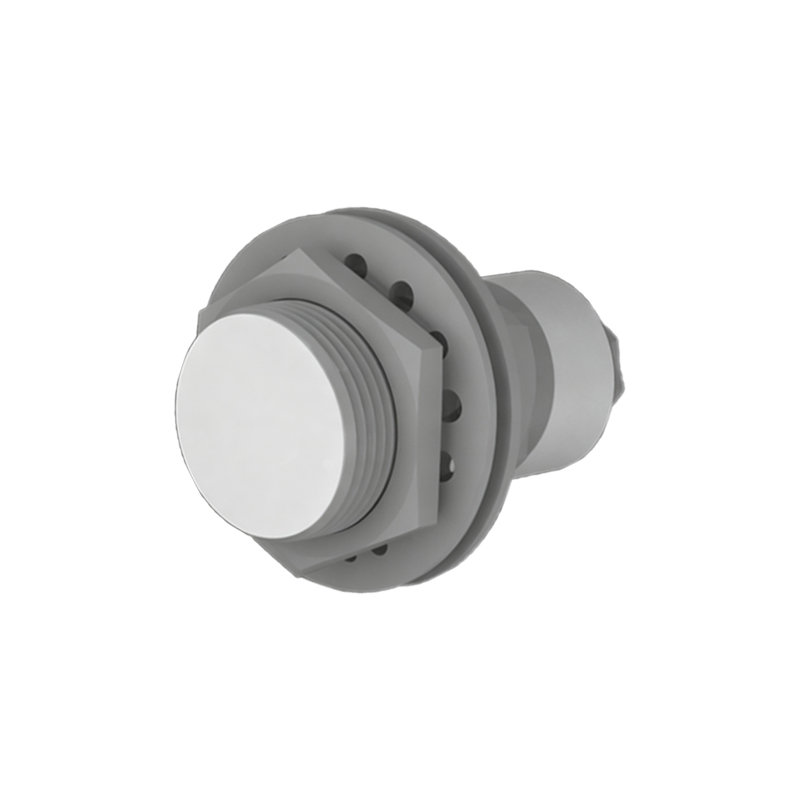
Selecting the right sensor requires careful analysis of the application. Key parameters include sensing distance, target material, output type (PNP/NPN, NO/NC), supply voltage, housing material (often nickel-plated brass or stainless steel for durability), and environmental IP rating. A common mistake is specifying a sensor with a nominal sensing distance without considering factors like temperature fluctuations or the presence of adjacent metal, which can reduce effective range. Always refer to the manufacturer's derating curves.
Installation and wiring are critical for optimal performance. Ensure proper shielding and separation from high-voltage cables to prevent electromagnetic interference. The sensing face must be mounted flush and free from obstructions. For inductive sensors, remember the "embeddable" or "non-embeddable" designation; non-embeddable sensors can detect metal alongside them, which might cause false triggers if not mounted correctly in metallic housings.
Troubleshooting typically involves checking the power supply, output load, and the target itself. A simple diagnostic step is to observe the sensor's indicator LED (if equipped) while bringing a standard target into range. If the LED activates but the PLC receives no signal, the issue likely lies in the wiring or the load. Modern IO-Link enabled sensors provide advanced diagnostics, reporting parameters like operating hours, temperature, and signal strength directly to the control system, enabling predictive maintenance.
The future of proximity sensing is leaning towards miniaturization, increased intelligence, and enhanced connectivity. Sensors with integrated logic functions, such as window mode or time delays, reduce controller load. The integration of IO-Link communication allows for parameterization on-the-fly and seamless integration into Industry 4.0 frameworks. For electrical engineers, mastering these devices is not just about connecting wires; it's about designing robust, efficient, and smart systems that form the backbone of automated production. Always consult the specific datasheet, understand the application's nuances, and never underestimate the impact of a correctly specified and installed proximity sensor on system uptime and safety.