In the realm of industrial automation and control systems, proximity sensor switches stand as critical components for non-contact detection, ensuring efficiency, safety, and precision. Among the diverse range available, yellow square proximity sensor switches have gained prominence due to their distinct advantages in visibility, durability, and application-specific performance. This article delves into the technical aspects, operational principles, and best practices for utilizing these sensors in various industrial settings.
Yellow square proximity sensors are typically housed in robust, square-shaped casings made from materials like PBT or ABS plastic, with a bright yellow color that enhances visibility in complex machinery environments. This high-visibility design aids in quick identification during maintenance or installation, reducing downtime. These sensors operate based on electromagnetic, capacitive, or inductive principles, with inductive types being most common for metal detection. They function by generating an electromagnetic field; when a metallic object enters this field, it induces eddy currents, causing a change in the sensor's oscillation amplitude. This change triggers an output signal, which can be in the form of a digital switch (e.g., NPN or PNP) or analog output, enabling seamless integration with PLCs (Programmable Logic Controllers) and other control systems.
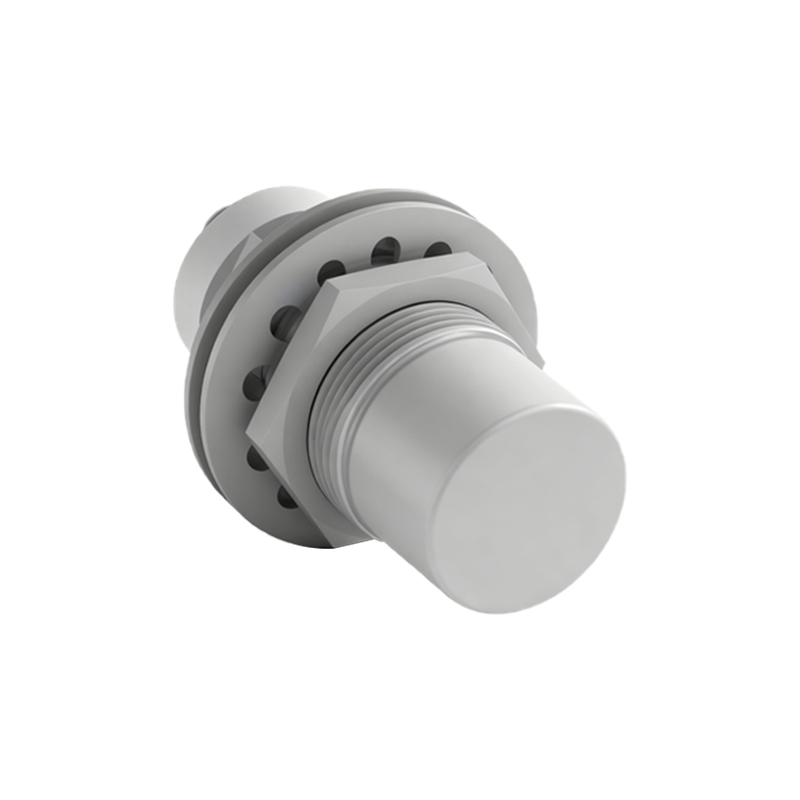
Key features of yellow square proximity switches include their compact design, which allows for easy mounting in tight spaces, and high switching frequencies, often ranging from 0.5 to 5 kHz, suitable for high-speed applications. They offer excellent resistance to environmental factors such as dust, moisture, and oil, typically rated at IP67 or higher, ensuring reliable operation in harsh conditions like manufacturing floors or outdoor installations. Additionally, many models incorporate LED indicators for status monitoring, providing real-time feedback on detection and power supply.
In practical applications, these sensors are widely used in material handling, packaging, automotive assembly, and robotics. For instance, in conveyor systems, yellow square proximity sensors can detect the presence of metal components, triggering sorting mechanisms or stopping belts to prevent jams. In robotic arms, they ensure precise positioning by sensing end-effector locations. When selecting a sensor, engineers must consider factors like sensing distance (which varies from 2 to 40 mm depending on the model), output type, voltage requirements (commonly 10-30 V DC), and temperature tolerance (typically -25°C to 70°C). Proper installation is crucial: sensors should be mounted securely to avoid vibration-induced errors, and shielded versions may be necessary to minimize interference from adjacent metal objects or electrical noise.
Maintenance of yellow square proximity sensors involves regular cleaning of the sensing face to prevent false triggers from debris buildup, along with periodic checks for wiring integrity and output consistency. Troubleshooting common issues, such as intermittent signals or failure to detect, often involves verifying power supply stability, adjusting alignment, or replacing worn components. As Industry 4.0 advances, these sensors are increasingly integrated with IoT platforms, enabling predictive maintenance and data analytics for optimized performance.
In summary, yellow square proximity sensor switches are versatile, reliable tools that enhance automation processes. Their design combines functional efficiency with practical benefits like high visibility and ruggedness, making them a preferred choice in modern industrial applications. By understanding their technical specifications and adhering to best practices, engineers can leverage these sensors to improve system reliability and productivity.