In the rapidly evolving landscape of industrial automation, proximity sensor companies stand as critical enablers of efficiency, safety, and precision. These specialized firms design and manufacture non-contact sensing devices that detect the presence or absence of objects, playing an indispensable role in everything from automotive assembly lines and packaging machinery to robotics and smart infrastructure. The core technology revolves around electromagnetic fields, infrared light, or ultrasonic sound waves, allowing for reliable detection without physical touch, thereby minimizing wear and tear and enabling high-speed operations.
Leading companies in this sector, such as Siemens, Omron, Rockwell Automation, Pepperl+Fuchs, and Balluff, have established themselves through continuous innovation. Their product portfolios extend beyond standard inductive, capacitive, and photoelectric sensors to include increasingly sophisticated models with integrated IO-Link communication, enhanced environmental resistance (IP67/IP69K ratings), and advanced diagnostics. The drive towards Industry 4.0 and the Industrial Internet of Things (IIoT) has been a significant catalyst. Modern proximity sensors are no longer simple binary switches; they are intelligent data points that provide valuable information on machine health, production counts, and process parameters, feeding data directly into networked control systems for predictive maintenance and optimized workflow.
The competitive edge for these manufacturers lies in addressing specific industry pain points. In the food and beverage sector, for instance, companies develop sensors with robust stainless-steel housings and hygienic designs that withstand frequent washdowns with corrosive chemicals. In automotive manufacturing, where precision and speed are paramount, suppliers offer ultra-high-speed models and innovative solutions for precise positioning of robotic arms and weld gun control. Furthermore, safety-rated proximity sensors, designed to meet stringent standards like ISO 13849, are crucial for protecting personnel in collaborative robot (cobot) applications and hazardous areas.
Market dynamics are shaped by the relentless demand for miniaturization, higher switching frequencies, and increased sensing ranges. Companies are investing heavily in R&D to produce sensors that are smaller yet more powerful, capable of detecting a wider variety of materials, including transparent films or specific liquids, with unwavering accuracy. The integration of condition monitoring features directly into the sensor housing is another growing trend, allowing plant managers to foresee potential failures before they cause costly downtime.
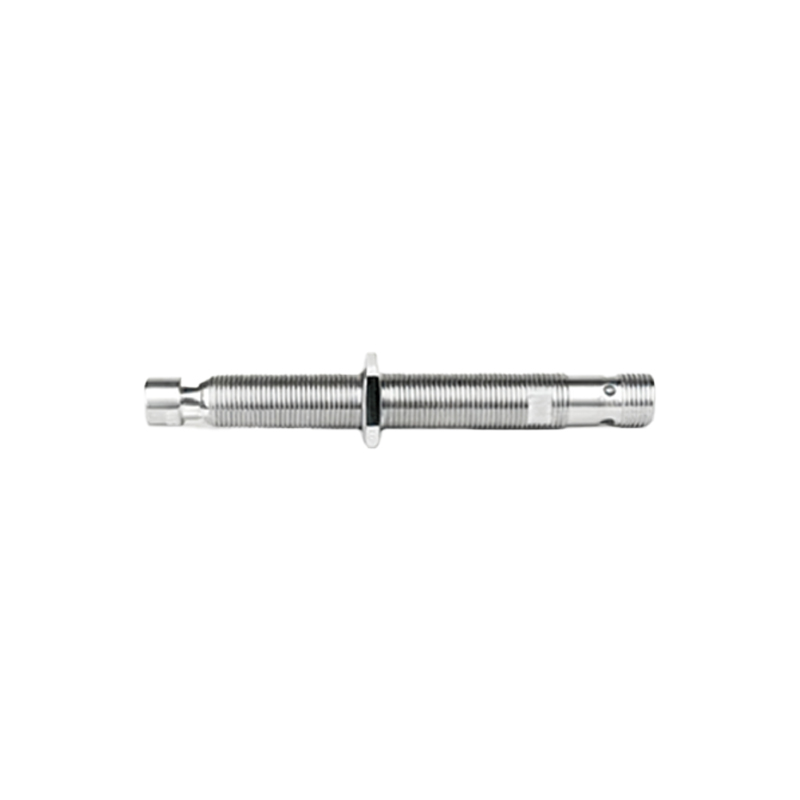
Choosing the right proximity sensor supplier is a strategic decision for OEMs and end-users alike. Key considerations extend beyond the unit price to encompass the total cost of ownership. This includes the sensor's longevity in harsh environments, the ease of installation and integration, the quality and responsiveness of global technical support, and the breadth of the product catalog that can simplify procurement. A strong supplier partnership ensures access to the latest technologies and application expertise, which is vital for solving complex automation challenges.
Looking ahead, the trajectory for proximity sensor companies is firmly aligned with the expansion of smart factories and autonomous systems. As machines become more interconnected and intelligent, the demand for reliable, data-rich sensing solutions will only intensify. The companies that will lead the future are those that not only master the physics of sensing but also excel in embedding digital intelligence, providing seamless connectivity, and delivering unwavering reliability that forms the silent, yet essential, backbone of modern industrial automation.