In the realm of modern electrical and lighting systems, proximity sensors are the unsung heroes of automation and energy efficiency. These components, integral to induction lighting fixtures, detect the presence of objects or individuals without physical contact, typically using infrared, ultrasonic, or capacitive technologies. When a proximity sensor fails in an induction light, it leads to a cascade of operational issues, from lights that won't turn on to systems that won't turn off, undermining the core benefits of automated lighting control. For electrical engineers and maintenance professionals, a systematic approach to diagnosing and resolving these failures is paramount.
The first indication of a faulty proximity sensor is often erratic light behavior. Common symptoms include the light failing to activate upon approach, remaining permanently illuminated, flickering intermittently, or activating without any apparent trigger. Before concluding sensor failure, a thorough diagnostic process must eliminate other potential culprits. Begin with a visual inspection of the sensor lens for obstructions like dirt, dust, or physical damage. Clean the lens carefully with a soft, dry cloth. Next, verify the power supply to the entire induction lighting unit. Use a multimeter to check for correct voltage at the sensor's terminals, as low voltage or power surges can mimic sensor failure.
Environmental factors are frequent contributors to sensor malfunction. Excessive ambient light, particularly direct sunlight or strong artificial light at similar wavelengths to the sensor's emitter, can blind an infrared sensor. Similarly, ultrasonic sensors can be disrupted by high-frequency noise from machinery or air currents. Ensure the sensor is installed according to the manufacturer's specifications regarding range, angle, and environmental tolerances. Radio frequency interference (RFI) from nearby equipment can also corrupt the sensor's signal processing.
If basic checks yield no results, proceed to isolate the sensor. In many induction light fixtures, the sensor module is separate from the driver and the induction lamp itself. Consult the wiring diagram. You can often temporarily bypass the sensor by connecting the load wire directly to the line wire (following proper lockout-tagout procedures) to confirm if the lamp and driver are functional. If the light operates correctly with the sensor bypassed, the sensor is likely defective.
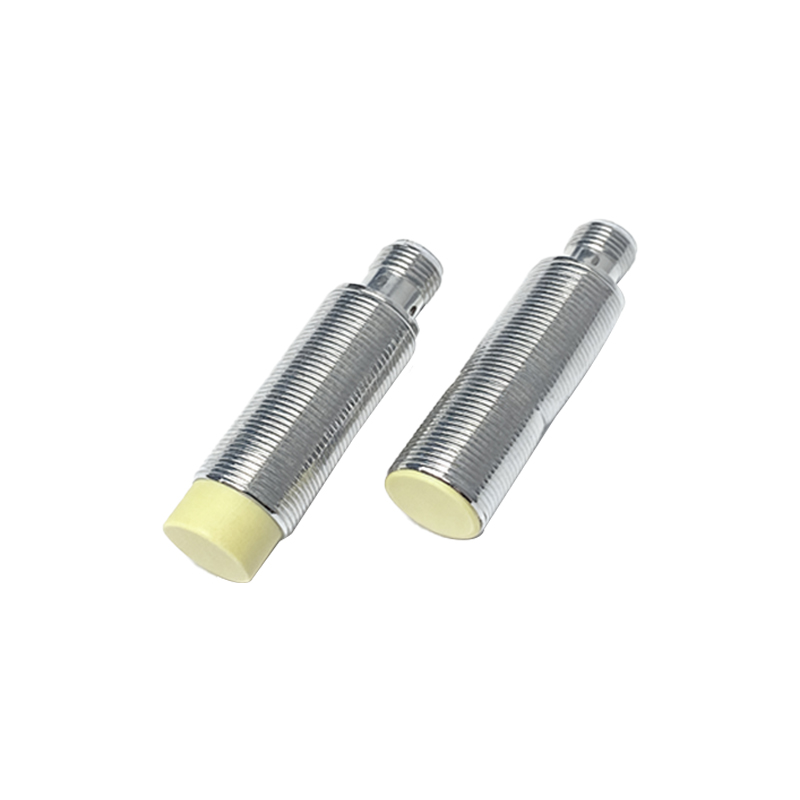
Testing the sensor output directly requires technical knowledge. With power safely applied, use an oscilloscope or a logic probe to check the output signal of the sensor when an object enters its detection field. A lack of signal change indicates internal failure. For three-wire sensors (V+, Output, Common), check for a stable voltage between V+ and Common, and then monitor the Output for a switching signal. For two-wire AC sensors, measure the current flow; it should change when activated.
Replacing a faulty proximity sensor involves selecting an exact or compatible replacement. Critical parameters include: sensing technology (IR, ultrasonic, capacitive), sensing range, output type (NPN/PNP for DC, NO/NC for relays), voltage rating, and physical housing size and connection type. Always disconnect all power before replacement. After installation, recalibrate the sensor if it has adjustable settings for sensitivity and time delay to suit the specific application.
Preventive maintenance is key to longevity. Implement a schedule for cleaning sensor lenses and inspecting wiring for corrosion or loose connections. Consider installing surge protection devices on the lighting circuit to guard against voltage spikes. For harsh industrial environments, specify sensors with higher Ingress Protection (IP) ratings.
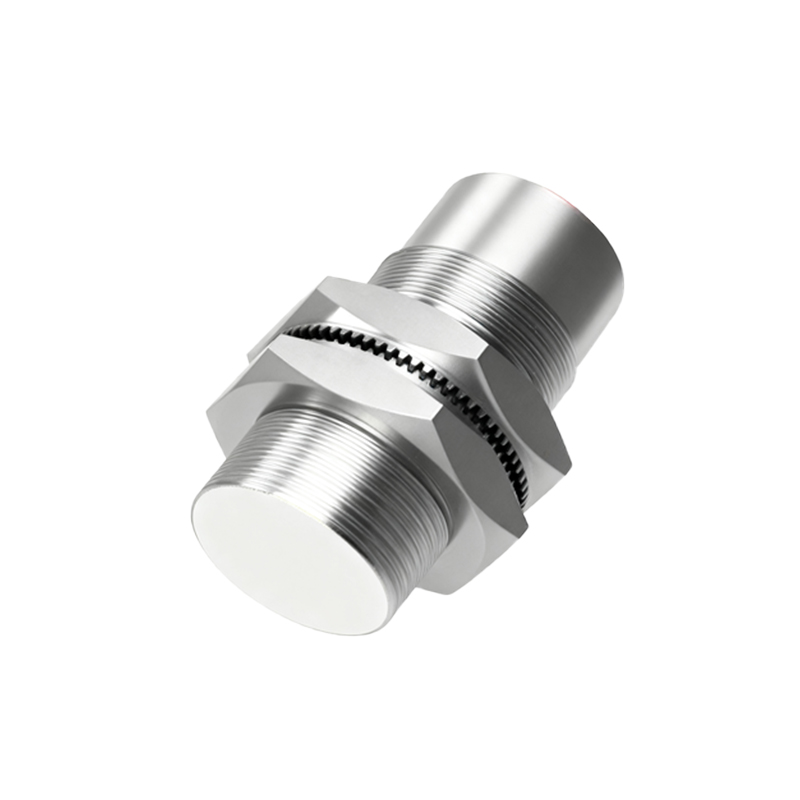
Ultimately, a failed proximity sensor in an induction lighting system is a solvable problem. By methodically eliminating power, environmental, and load issues before focusing on the sensor itself, engineers can ensure quick restoration of functionality, maintaining the efficiency and reliability that modern automated lighting systems promise. Understanding the sensor's role within the broader system context is the hallmark of effective troubleshooting.