In the realm of modern HVAC (Heating, Ventilation, and Air Conditioning) systems, the integration of advanced sensing technologies has become a cornerstone for improving both operational efficiency and user safety. Among these technologies, proximity sensors, particularly those designed to detect human presence, are gaining significant traction. This article delves into the application, benefits, and implementation considerations of human proximity sensors in air conditioning installations, tailored for industry professionals seeking to optimize system performance.
Proximity sensors in HVAC contexts are primarily utilized to detect the presence or movement of individuals within a specific range of the air conditioning unit. These sensors operate on various principles, including infrared (IR), ultrasonic, and capacitive sensing. Infrared sensors, for instance, detect heat signatures emitted by the human body, making them ideal for occupancy-based control. Ultrasonic sensors emit sound waves and measure their reflection to identify movement, while capacitive sensors detect changes in an electrical field caused by nearby objects. Each type offers distinct advantages depending on the installation environment and desired functionality.
The primary driver for incorporating human proximity sensors into air conditioning systems is energy conservation. Traditional HVAC systems often operate on fixed schedules or manual adjustments, leading to unnecessary energy consumption in unoccupied spaces. By integrating proximity sensors, systems can dynamically adjust their operation based on real-time occupancy data. For example, when a sensor detects no human presence in a room for a predetermined period, it can signal the air conditioner to enter an energy-saving mode, such as reducing cooling output or switching to ventilation-only operation. This not only lowers electricity bills but also extends the equipment's lifespan by reducing wear and tear.
Beyond energy efficiency, safety enhancements represent a critical benefit. In commercial or industrial settings, air conditioning units may be installed in areas where close human interaction poses risks, such as near high-voltage components or moving parts. Proximity sensors can act as a preventive measure by triggering automatic shutdowns or alerts when individuals approach hazardous zones. This is especially valuable in facilities like data centers, manufacturing plants, or hospitals, where both equipment protection and personnel safety are paramount. Additionally, in residential applications, sensors can prevent accidental contact with hot or sharp components during maintenance, aligning with broader safety regulations.
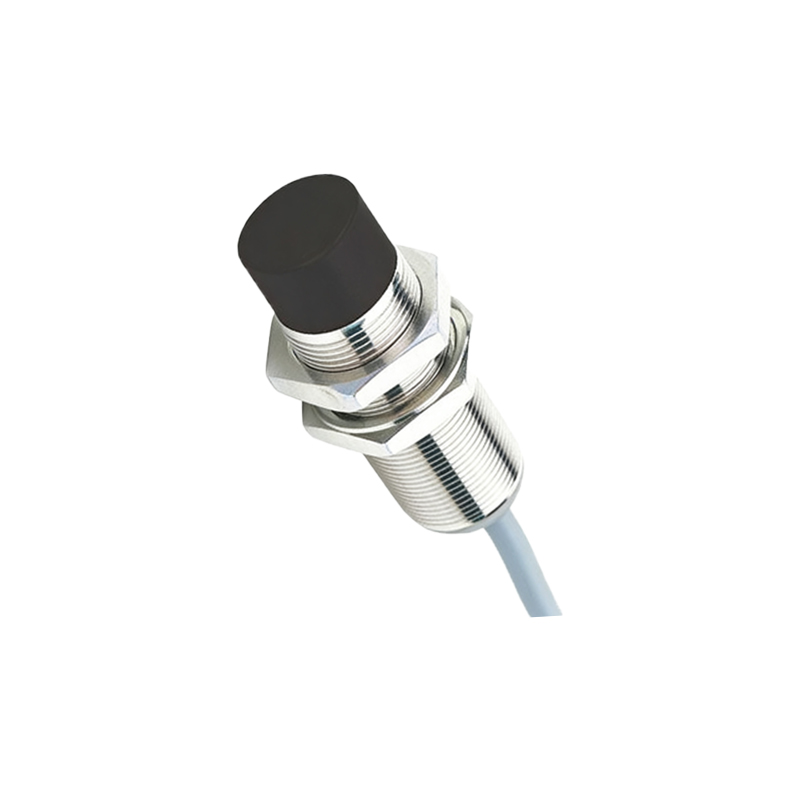
Implementing proximity sensors requires careful planning to ensure reliability and accuracy. Key considerations include sensor placement, range calibration, and environmental factors. For optimal performance, sensors should be installed at strategic points where human presence is most likely to be detected, avoiding obstructions like furniture or walls that could interfere with signals. Range calibration is essential to minimize false triggers—for instance, setting the detection radius to cover only the immediate vicinity of the AC unit rather than entire rooms. Environmental factors such as temperature fluctuations, humidity, and background noise (for ultrasonic sensors) must also be accounted for during selection and installation. Industry best practices recommend using sensors with robust housings rated for HVAC conditions, such as IP65 or higher for dust and moisture resistance.
Integration with existing HVAC control systems is another crucial aspect. Modern proximity sensors often communicate via standardized protocols like BACnet, Modbus, or wireless interfaces (e.g., Zigbee or Wi-Fi), allowing seamless data exchange with central management systems. This enables advanced features like predictive maintenance, where sensor data can alert technicians to potential issues before failures occur. For instance, if a sensor consistently detects unusual movement patterns near a unit, it might indicate tampering or mechanical stress, prompting proactive inspections.
Looking ahead, the convergence of proximity sensors with IoT (Internet of Things) and AI (Artificial Intelligence) is set to revolutionize HVAC management. Smart sensors equipped with machine learning algorithms can learn occupancy patterns over time, further optimizing energy use and comfort levels. In smart buildings, these sensors can integrate with other systems, such as lighting or security, to create a holistic automated environment. However, challenges remain, including cost barriers for retrofitting older systems and ensuring data privacy in networked setups.
In conclusion, the adoption of human proximity sensors in air conditioning installations represents a forward-thinking approach to enhancing both efficiency and safety. By leveraging real-time occupancy data, HVAC systems can operate more intelligently, reducing energy waste and mitigating risks. For electrical engineers and HVAC professionals, staying abreast of these technologies is essential for designing future-ready installations that meet evolving industry standards and sustainability goals. As sensor technology continues to advance, its role in creating smarter, safer indoor environments will only grow more pivotal.