In the fast-paced environment of modern warehouses, distribution centers, and manufacturing facilities, the safe and efficient movement of materials is paramount. Forklifts, the workhorses of material handling, are central to these operations. However, their power and utility come with inherent risks, including collisions with pedestrians, infrastructure, and other equipment. This is where forklift proximity sensors have emerged as a critical technological safeguard, transforming operational safety and productivity.
Forklift proximity sensors are electronic devices designed to detect the presence of objects or personnel within a predefined range of the vehicle. They function as an additional set of "eyes," constantly monitoring the forklift's surroundings, especially in blind spots that are notoriously challenging for operators to see. The core technology typically involves ultrasonic, radar, or infrared systems. Ultrasonic sensors emit high-frequency sound waves and measure the time it takes for the echo to return, calculating distance. Radar-based sensors use radio waves, offering robust performance in various environmental conditions like dust or light fog. Infrared sensors detect heat or light patterns. These systems are often integrated to provide comprehensive 360-degree coverage around the forklift.
The primary and most significant benefit of implementing these sensors is the drastic enhancement of workplace safety. According to the Occupational Safety and Health Administration (OSHA), a significant percentage of forklift-related incidents involve pedestrians or collisions with stationary objects. Proximity sensors act as a proactive warning system. When an object or person enters a designated danger zone, the system triggers immediate alerts. These alerts are multi-modal: a loud, audible alarm sounds inside and outside the cab, warning lights flash visibly, and in more advanced systems, haptic feedback vibrates the operator's seat or controls. This gives the operator crucial extra seconds to react and stop or maneuver the vehicle safely, preventing potential accidents and injuries.
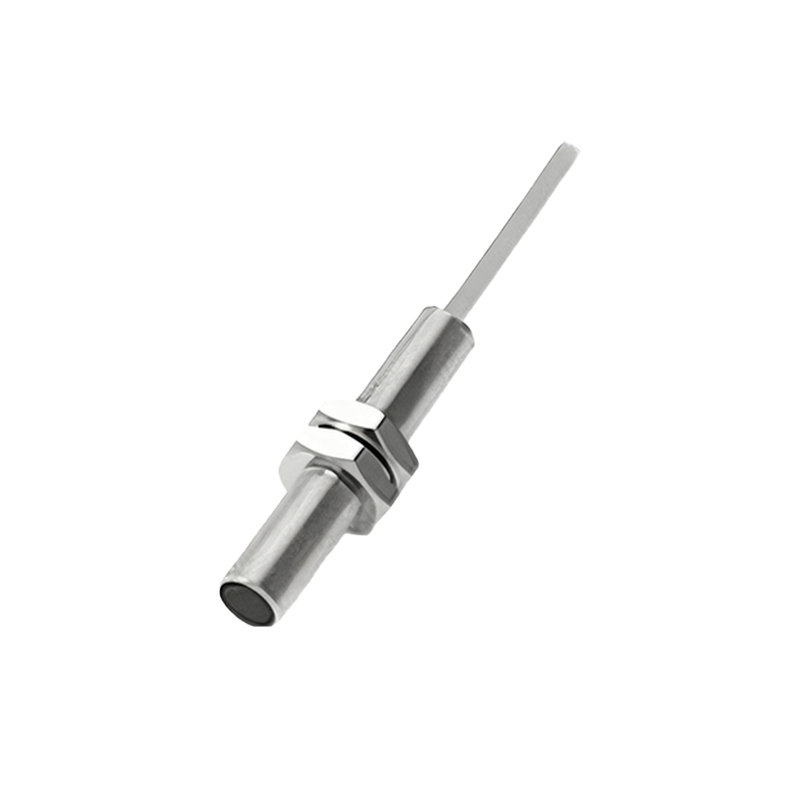
Beyond safety, these sensors contribute substantially to operational efficiency and asset protection. Collisions cause costly damage not only to the forklift itself but also to racking systems, building columns, doors, and stored inventory. By preventing such impacts, companies see a direct reduction in repair costs, downtime, and product loss. Furthermore, operators can work with greater confidence and speed, knowing they have an assistive system monitoring their immediate environment. This is particularly valuable in narrow aisles, high-traffic areas, and during high-precision tasks like slotting pallets into tight racking spaces. The sensors help maintain a consistent and efficient workflow without the frequent stops and checks often required to navigate blind spots manually.
The integration of proximity sensor data with broader warehouse management systems (WMS) or telematics platforms represents the next frontier. Modern sensor systems can log near-miss events, collision data, and operator response patterns. Fleet managers can analyze this data to identify high-risk zones within a facility, assess individual operator performance for targeted training, and make informed decisions about traffic flow redesign. This data-driven approach moves safety management from a reactive to a predictive model, allowing for continuous improvement in operational protocols.
Selecting the right proximity sensor system requires careful consideration. Factors include the specific operating environment (indoor/outdoor, presence of dust, temperature extremes), the required detection range and angle, the type of alerts needed, and ease of installation and calibration. It is also crucial to remember that these sensors are a safety aid, not a replacement for trained, vigilant operators and comprehensive safety programs. Effective training must emphasize that the sensor is a tool to enhance, not override, the operator's responsibility and situational awareness.
In conclusion, forklift proximity sensors are no longer a luxury but a necessity for any operation serious about safety and efficiency. They provide a reliable technological layer of protection that safeguards personnel, protects valuable assets, and supports smoother, more productive material handling workflows. As sensor technology continues to advance, becoming more accurate, affordable, and integrated, its adoption will become standard practice, creating safer and smarter industrial workplaces for everyone.