In the realm of industrial automation, the ability to detect the presence or absence of an object without physical contact is fundamental. IDEC Corporation, a globally recognized leader in automation and control solutions, provides a comprehensive range of proximity sensors engineered for this exact purpose. These devices are critical components in manufacturing lines, packaging systems, material handling, and countless other applications where reliability, precision, and durability are non-negotiable.
IDEC proximity sensors operate on the principle of electromagnetic field generation. Primarily, they utilize inductive, capacitive, and magnetic sensing technologies to cater to diverse industrial needs. Inductive sensors are the workhorses for detecting metallic objects. They generate an oscillating electromagnetic field. When a conductive metal enters this field, it induces eddy currents within the target, causing a change in the sensor's oscillation amplitude. This change is detected by the internal circuitry, triggering a solid-state output signal. IDEC's inductive sensors are renowned for their exceptional sensing distances, high switching frequencies, and robust resistance to environmental contaminants like oil, dust, and coolant.
For non-metallic materials such as wood, plastic, glass, or liquids, IDEC offers capacitive proximity sensors. These sensors function by generating an electrostatic field. The presence of any object with a dielectric constant different from air alters the capacitance of the sensor's circuit. This detectable change allows the sensor to actuate. This makes them ideal for level detection in tanks, monitoring the presence of plastic bottles on a conveyor, or detecting filled vs. empty containers. IDEC designs these units with adjustable sensitivity, allowing fine-tuning to ignore background materials or container walls.
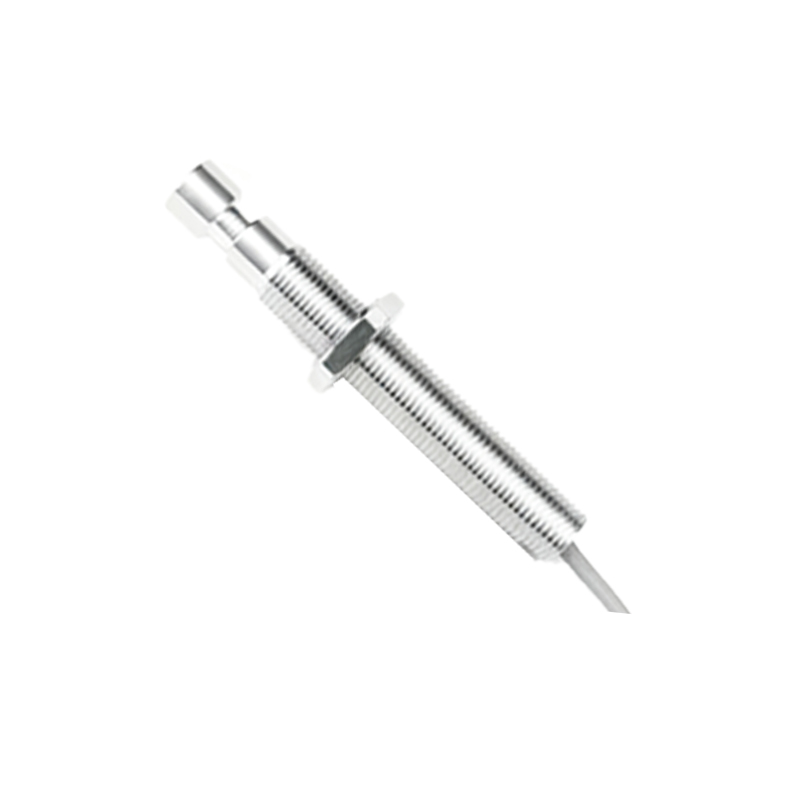
A key pillar of IDEC's design philosophy is unwavering reliability in harsh industrial environments. Their proximity sensors are built with high-grade materials and feature robust housings, often rated IP67 or higher. This ensures complete protection against dust ingress and temporary immersion in water. Furthermore, many models incorporate advanced features like short-circuit protection, reverse polarity protection, and surge resistance. This built-in resilience minimizes downtime and maintenance costs, a critical factor for continuous production operations.
Beyond core detection, IDEC integrates smart functionality. Many sensor series come equipped with LED status indicators for easy visual confirmation of operation and diagnostics. Some advanced models feature IO-Link communication capability. IO-Link transforms a simple sensor into an intelligent device that can transmit detailed parameter and process data to a central controller. This enables predictive maintenance, remote configuration, and seamless integration into Industry 4.0 and smart factory frameworks. Engineers can monitor sensor health, track operating hours, and receive alerts before a potential failure occurs.
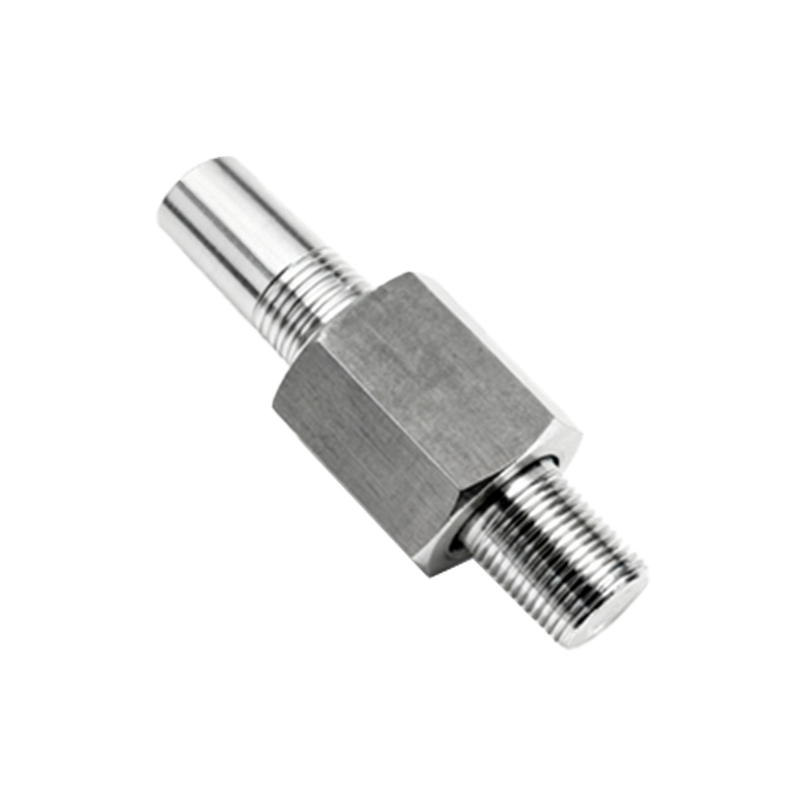
Selecting the right proximity sensor requires careful consideration of several factors. The target material is the primary determinant for choosing between inductive and capacitive types. The required sensing distance, which must account for installation tolerances and target size, is another crucial parameter. The physical housing shape—barrel-type, rectangular, or slot-style—must suit the mounting constraints. Environmental conditions, such as temperature extremes, exposure to chemicals, or potential mechanical impacts, dictate the necessary ingress protection and material specifications. Finally, the electrical requirements, including operating voltage (commonly 10-30V DC or 90-250V AC) and output type (NPN, PNP, or analog), must match the control system.
IDEC's extensive portfolio addresses all these variables. Their PS series, for instance, offers a wide array of inductive sensors in various sizes and sensing ranges. For capacitive sensing, the CS series provides reliable detection of diverse non-metallic objects. For applications requiring precise position detection of cylinders, their magnetic sensors offer a compact and reliable solution. This breadth ensures that system integrators and plant engineers can find an optimal sensor for virtually any application, from simple presence checking to complex positioning tasks.
Installation and wiring are streamlined for efficiency. Many IDEC sensors feature pre-wired connectors or quick-disconnect terminals, significantly reducing installation time. Clear labeling and standardized color-coding of wires (brown for +V, blue for 0V, black for output) prevent wiring errors. Proper alignment is essential for maximizing sensing performance; IDEC provides detailed technical documentation with precise mounting and sensing distance graphs to ensure optimal setup.
In conclusion, IDEC proximity sensors represent a synthesis of precision engineering, rugged construction, and intelligent design. They are not merely switches but vital sensory organs for automated systems. By providing consistent, contactless detection across a vast spectrum of materials and conditions, they enhance operational efficiency, ensure product quality, and contribute to overall equipment safety. For engineers seeking dependable sensing solutions that can withstand the rigors of modern industry while offering a pathway to digitalization, IDEC's proven range of proximity sensors stands as a compelling and reliable choice.