In the realm of industrial automation and machine design, proximity sensors are indispensable components, acting as the silent sentinels that enable machines to "see" and interact with their environment without physical contact. A proximity sensor is a non-contact sensor that detects the presence or absence of an object within its sensing range. Its primary function is to convert information about the presence, position, or movement of a target object into an electrical signal, typically for input into a Programmable Logic Controller (PLC) or other control system. The core advantage lies in its ability to perform detection tasks reliably in harsh environments where mechanical switches would fail due to wear, contamination, or the need for high-speed operation.
The working principle of a proximity sensor varies significantly based on its underlying technology. The most common types include Inductive, Capacitive, Ultrasonic, and Photoelectric sensors. Each type operates on distinct physical principles, making them suitable for specific applications and target materials.
Inductive Proximity Sensors are the workhorses of metal detection. They generate an oscillating electromagnetic field from a coil located at the sensing face. When a metallic object (ferrous or non-ferrous) enters this field, it induces eddy currents within the target. These currents cause a load on the oscillator, which is detected by the sensor's circuitry, triggering a solid-state output switch. Inductive sensors are renowned for their robustness, high switching frequency, and immunity to environmental factors like dust, oil, and moisture. They are ideal for detecting metal parts in machinery, such as in CNC machines, robotic arms, and conveyor systems.
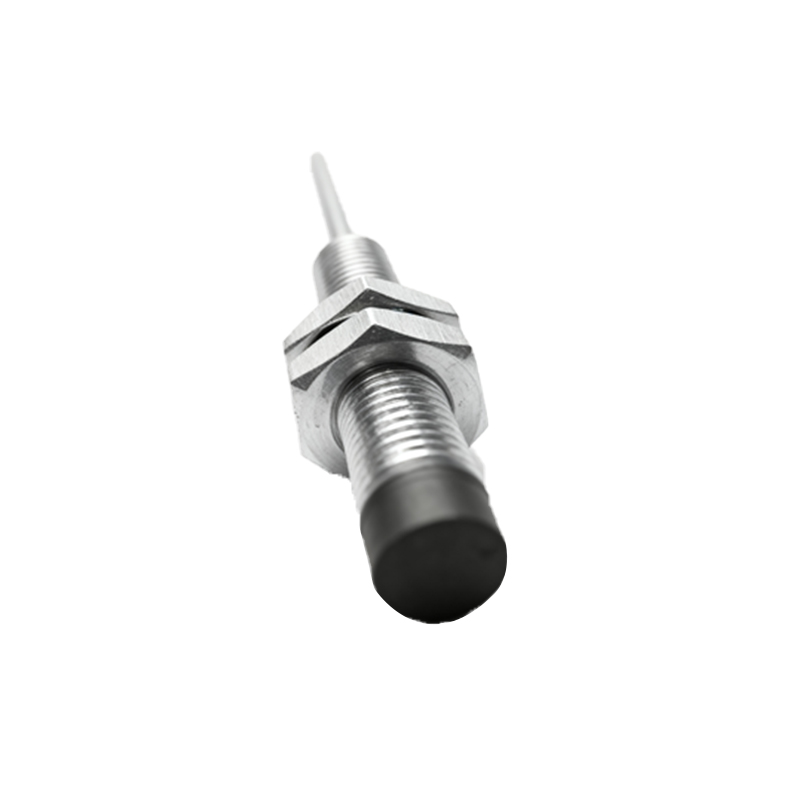
Capacitive Proximity Sensors, in contrast, can detect both metallic and non-metallic materials, including liquids, plastics, glass, and wood. They function by generating an electrostatic field. The sensor and the target act as two plates of a capacitor. When an object enters the sensing field, it alters the capacitance of the system. This change is measured, and when it exceeds a preset threshold, the sensor activates its output. This makes capacitive sensors perfect for level detection in tanks (e.g., monitoring liquid or granular materials), detecting filled bottles on a production line, or sensing the presence of non-metallic objects.
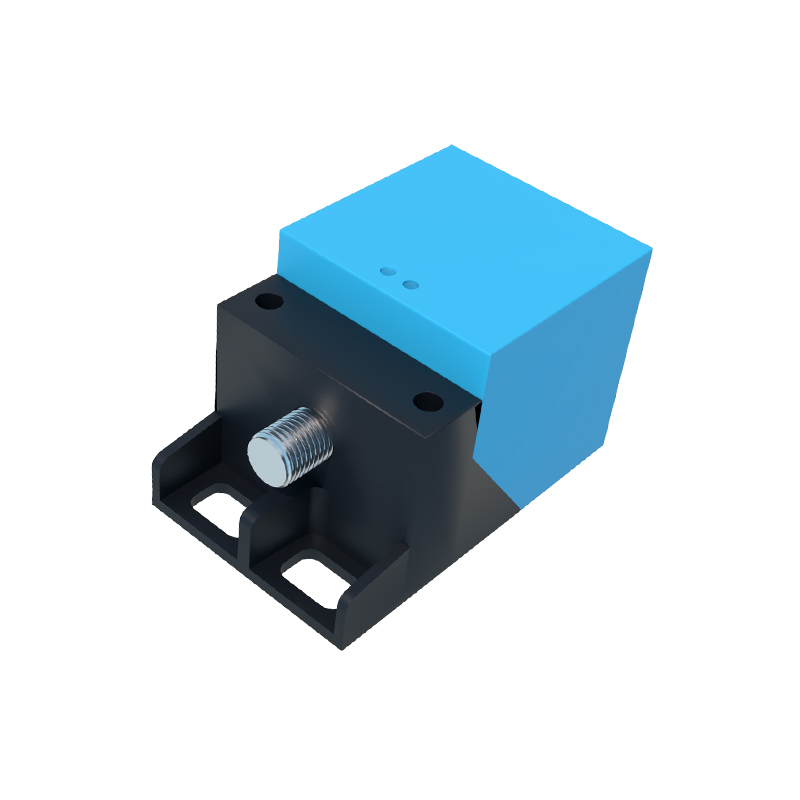
Photoelectric Sensors utilize light beams to detect objects. They consist of an emitter (light source, often LED) and a receiver. When the light beam is interrupted or reflected by an object, the change in light intensity at the receiver is processed to trigger an output. They are categorized into three main modes: Through-beam (separate emitter and receiver), Retro-reflective (uses a reflector), and Diffuse (reflective), where the sensor and target are on the same side. Photoelectric sensors offer very long sensing ranges and can detect virtually any material, but their performance can be affected by environmental conditions like ambient light, dust, and color/reflectivity of the target.
Ultrasonic Proximity Sensors operate by emitting high-frequency sound waves and evaluating the echo received back. They measure the time interval between sending the signal and receiving the echo to calculate the distance to an object. This technology is excellent for detecting objects regardless of color, transparency, or material, and is highly effective for distance measurement, level sensing of liquids or bulk solids, and detecting clear objects like glass bottles.
Key selection criteria for engineers include sensing distance, target material, environmental conditions (IP rating, temperature), output type (PNP/NPN, analog, IO-Link), and mounting requirements. Proper installation is critical; factors like flush or non-flush mounting for inductive sensors, or avoiding sensing "dead zones," must be considered.
Applications are vast and critical. In automotive manufacturing, they ensure precise positioning of robotic welders. In packaging, they count products and verify lid placement. In material handling, they prevent conveyor jams and manage palletizing. Their role in enabling Industry 4.0 and the Industrial Internet of Things (IIoT) is growing, with smart sensors providing diagnostic data and integrating seamlessly into networked systems.
In conclusion, proximity sensors are fundamental to modern industrial efficiency, safety, and automation. Understanding their types, principles, and appropriate application is crucial for any engineer designing or maintaining automated systems. Their non-contact nature ensures longevity and reliability, forming the essential sensory layer upon which intelligent automation is built.