Proximity sensors are ubiquitous in modern industrial automation, serving as the silent sentinels that detect the presence or absence of objects without physical contact. From assembly lines and robotic cells to packaging machinery and safety systems, their role is critical. However, there are legitimate scenarios where an engineer or technician must know how to properly disable or bypass a proximity sensor. This could be for maintenance purposes, system troubleshooting, process modification, or during specific machine setup procedures. It is paramount to understand that disabling safety-related sensors without proper authorization and risk assessment is strictly prohibited and can lead to severe injury, equipment damage, and regulatory violations. This guide outlines the correct, safe methodologies for temporarily disabling non-safety-critical proximity sensors in an industrial context.
Understanding the Sensor and Its Circuit
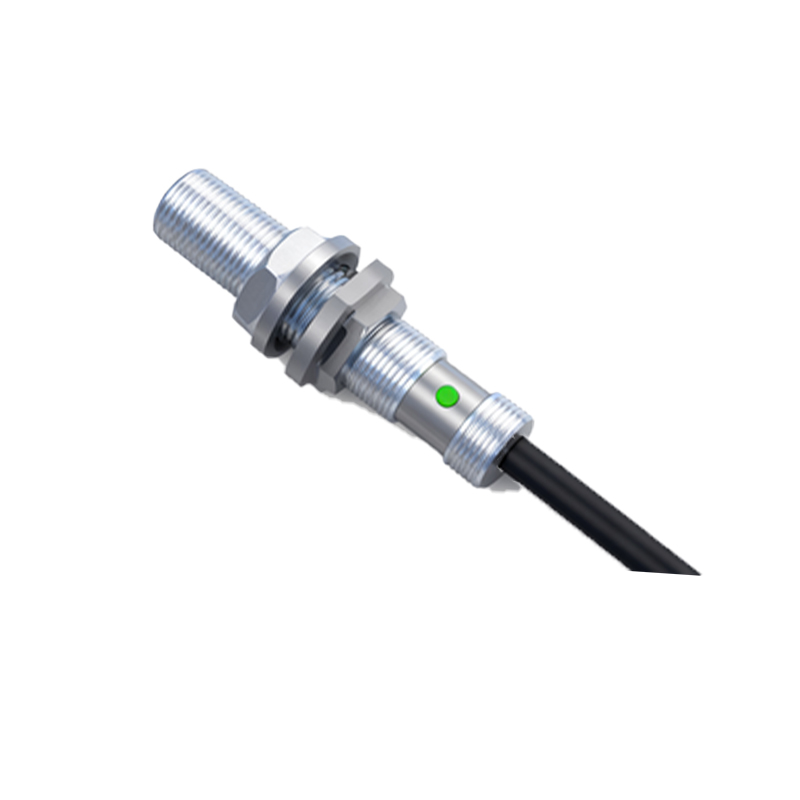
Before any action is taken, the first step is always to consult the machine's electrical schematics and operational manual. Identify the sensor in question. Is it an inductive sensor for metals, a capacitive sensor for various materials, or an optical sensor? More importantly, determine its function. Is it part of a safety interlock, a process feedback loop, or a simple part-present verification? This classification dictates the permissible actions.
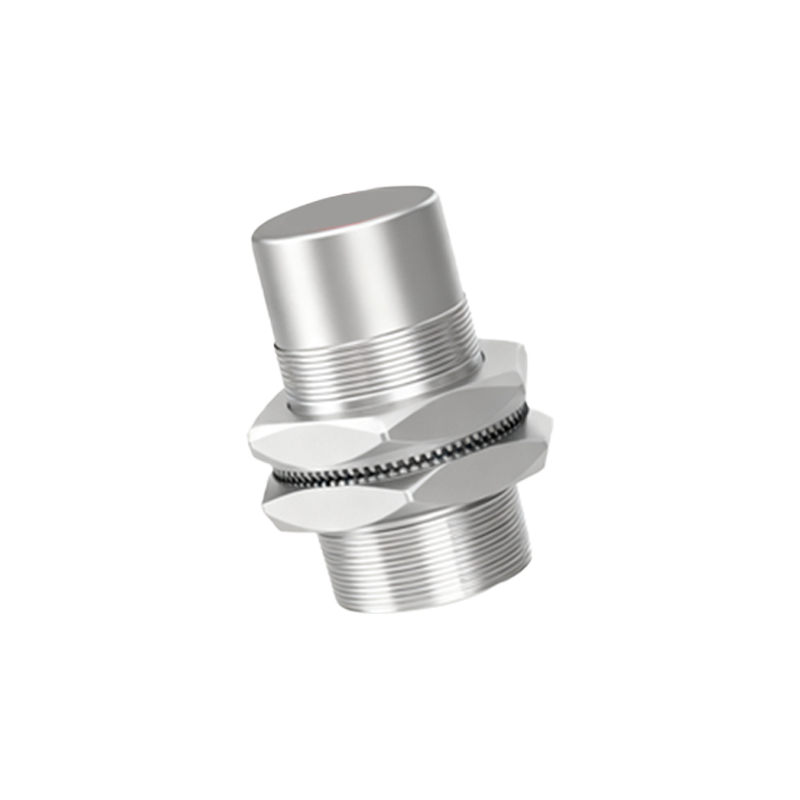
Next, analyze its wiring. Most industrial proximity sensors are 3-wire devices (DC: brown/+24V, blue/0V, black/switched output; AC: brown/Live, blue/Neutral, black/output). The output can be Normally Open (NO) or Normally Closed (NC). Understanding this is crucial for choosing the correct bypass method.
Safe Disabling Methodologies
1. Physical Isolation via Maintenance Lockout/Tagout (LOTO): This is the foundational safety step for any work on equipment. Before touching any sensor or its wiring, the machine must be brought to a safe stop, and all energy sources (electrical, pneumatic, hydraulic) must be isolated and locked out according to the site's LOTO procedure. This protects personnel from unexpected machine startup.
2. Electrical Bypass at the Control Cabinet: The most professional method is to work at the terminal strips inside the control cabinet. For a sensor with a Normally Open (NO) contact providing a "run" signal, you can simulate its activation by carefully installing a temporary jumper wire between the DC+ (or Live) terminal and the sensor's signal input terminal on the PLC or relay module. Crucially, this must only be done with power OFF during LOTO. For a Normally Closed (NC) sensor used as a safety stop or guard interlock, bypassing is inherently riskier and often requires a different control logic override.
3. Using a Programmable Logic Controller (PLC) Software Override: In systems with a PLC, a safer and more elegant solution is to use the control software. A maintenance technician with the correct access privileges can often force the specific input (I) address associated with the sensor to an "ON" or "OFF" state, depending on what the logic requires. This is a temporary, software-based override that is typically logged and easy to reverse. Always ensure this does not compromise embedded safety logic in safety PLCs.
4. Disconnection and Simulation: With power locked out, simply disconnecting the sensor's output wire and connecting it to a known voltage source (via a fused test lead) can simulate an active state. Alternatively, for an inductive sensor, placing the target metal object directly in front of it can keep it activated. This method is less reliable for temporary fixes.
5. Dedicated Bypass Switches or Modes: Well-designed industrial equipment often includes a maintenance or setup mode, activated by a key switch or password-protected HMI screen. This mode may automatically bypass certain non-critical sensors or allow for their manual override through designated controls. Always use this built-in functionality when available.
Critical Precautions and Best Practices
Never Defeat Safety Devices: Safety light curtains, door interlocks, emergency stop circuits, and similar devices are designed to protect life. They must never be permanently bypassed. Temporary bypass for specific troubleshooting under strict, supervised protocols is sometimes possible but requires a formal risk assessment and permit.
Document and Communicate: Any sensor bypass must be clearly documented in the maintenance log. Use physical tags on the jumper wires or at the control panel stating "Sensor Bypassed - Do Not Energize." Inform all affected personnel and shifts.
Restore and Test: Once the maintenance or testing activity is complete, immediately remove all temporary jumpers, clear any PLC forces, and restore the original wiring. Conduct a full functional test of the sensor and the associated machine cycle before returning the equipment to production.
Understand the Consequences: Bypassing a sensor changes the machine's behavior. Be acutely aware of what the sensor