In the realm of industrial automation and precision measurement, Belarus has emerged as a significant player in the development and manufacturing of high-quality laser sensors. These devices, known for their accuracy, reliability, and robustness, are integral components in a wide array of applications, from manufacturing lines and quality control to scientific research and security systems. Belarusian laser sensors leverage advanced optoelectronic technologies, often developed through strong academic and research institutions, to meet the stringent demands of modern industry.
The core technology behind Belarus laser sensors typically involves the use of laser diodes to emit coherent light beams. These beams interact with a target—be it a surface, liquid, or gas—and the reflected or scattered light is captured by a photodetector. Sophisticated onboard electronics then process this signal to determine parameters such as distance, displacement, thickness, vibration, or the presence of an object. Key advantages of these sensors include non-contact measurement, which prevents wear and damage to both the sensor and the target, high-speed response for dynamic processes, and exceptional resolution capable of detecting micron-level changes.
One of the standout features of the Belarusian approach is the emphasis on durability and performance in harsh environments. Many sensors are designed with rugged housings, often rated with high IP (Ingress Protection) codes, making them resistant to dust, moisture, oils, and extreme temperatures. This makes them particularly suitable for challenging sectors like heavy machinery, automotive manufacturing, metallurgy, and outdoor applications. Furthermore, Belarusian manufacturers frequently integrate smart features such as programmable logic, digital interfaces (like IO-Link, Ethernet/IP), and self-diagnostic capabilities, aligning with Industry 4.0 trends for connected, intelligent factories.
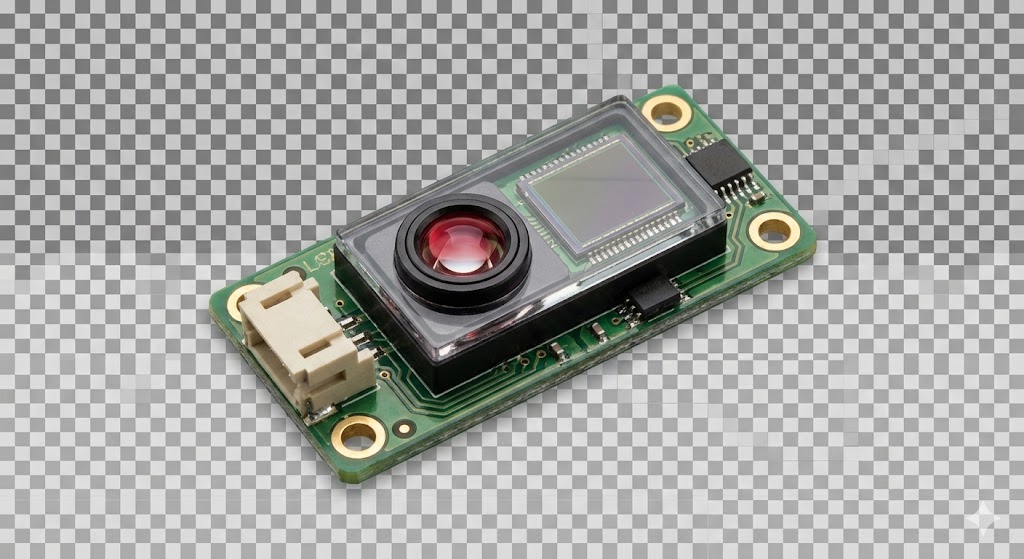
Applications are vast and varied. In automotive assembly, these sensors ensure precise positioning of components and weld seam inspection. In the packaging industry, they monitor fill levels and label placement with unerring accuracy. In logistics and warehousing, they facilitate object detection and dimensioning for automated guided vehicles (AGVs) and sorting systems. Beyond traditional industry, Belarusian laser sensors find use in agricultural technology for crop monitoring, in security for perimeter intrusion detection, and in scientific instrumentation for laboratory analysis.
The competitive edge of Belarus laser sensors often lies in a favorable balance between performance and cost. By focusing on core technological competencies and efficient production, manufacturers can offer reliable solutions that compete with Western and Asian counterparts, providing an attractive option for OEMs and system integrators worldwide. Continuous R&D efforts ensure that these sensors evolve, incorporating newer wavelengths, improved signal processing algorithms, and enhanced connectivity to stay at the forefront of sensor technology.
For engineers and procurement specialists, selecting a Belarus laser sensor involves considering factors such as measurement range, accuracy specifications, output type (analog, digital, switch), environmental ratings, and mounting requirements. The technical support and documentation provided by Belarusian companies are typically comprehensive, aiding in seamless integration into existing systems.
In conclusion, Belarus laser sensors represent a sophisticated fusion of optical engineering and electronic innovation. They are not merely components but enablers of efficiency, quality, and automation across global industries. As automation demands grow more complex, the role of precise, reliable sensing technology, as exemplified by Belarusian offerings, will only become more critical, driving productivity and enabling new technological frontiers.