In the realm of modern industrial automation and precision engineering, the demand for accurate, non-contact measurement solutions is paramount. Laser displacement and vibration sensors have emerged as critical tools, offering unparalleled capabilities for quality control, predictive maintenance, and process optimization. These sensors operate on the principle of optical triangulation or time-of-flight measurement, projecting a focused laser beam onto a target surface and analyzing the reflected light to determine distance or minute surface movements with micron-level resolution.
The core technology behind laser displacement sensors typically involves a laser diode, a receiving lens, and a position-sensitive detector (PSD) or a Charge-Coupled Device (CCD). When the laser spot hits the target, its reflection passes through the receiving lens and strikes the detector. Any change in the target's distance causes the position of the reflected spot on the detector to shift. This displacement is then calculated with high precision by the sensor's internal processor, providing a real-time analog or digital output proportional to the distance. For vibration measurement, these sensors capture high-frequency displacement data over time, which is then processed to derive velocity, acceleration, and frequency spectra—key indicators of machinery health.
The advantages of using laser-based sensors are numerous. Their non-contact nature eliminates mechanical wear and prevents damage to both the sensor and the target object, which is crucial for measuring delicate or hot surfaces. They provide extremely fast response times, often in the microsecond range, making them ideal for high-speed production lines. Furthermore, they are largely immune to the material properties of the target, such as color or reflectivity, especially models equipped with advanced automatic gain control and surface compensation algorithms. This ensures consistent performance whether measuring a shiny metal surface or a dark, absorbent material.
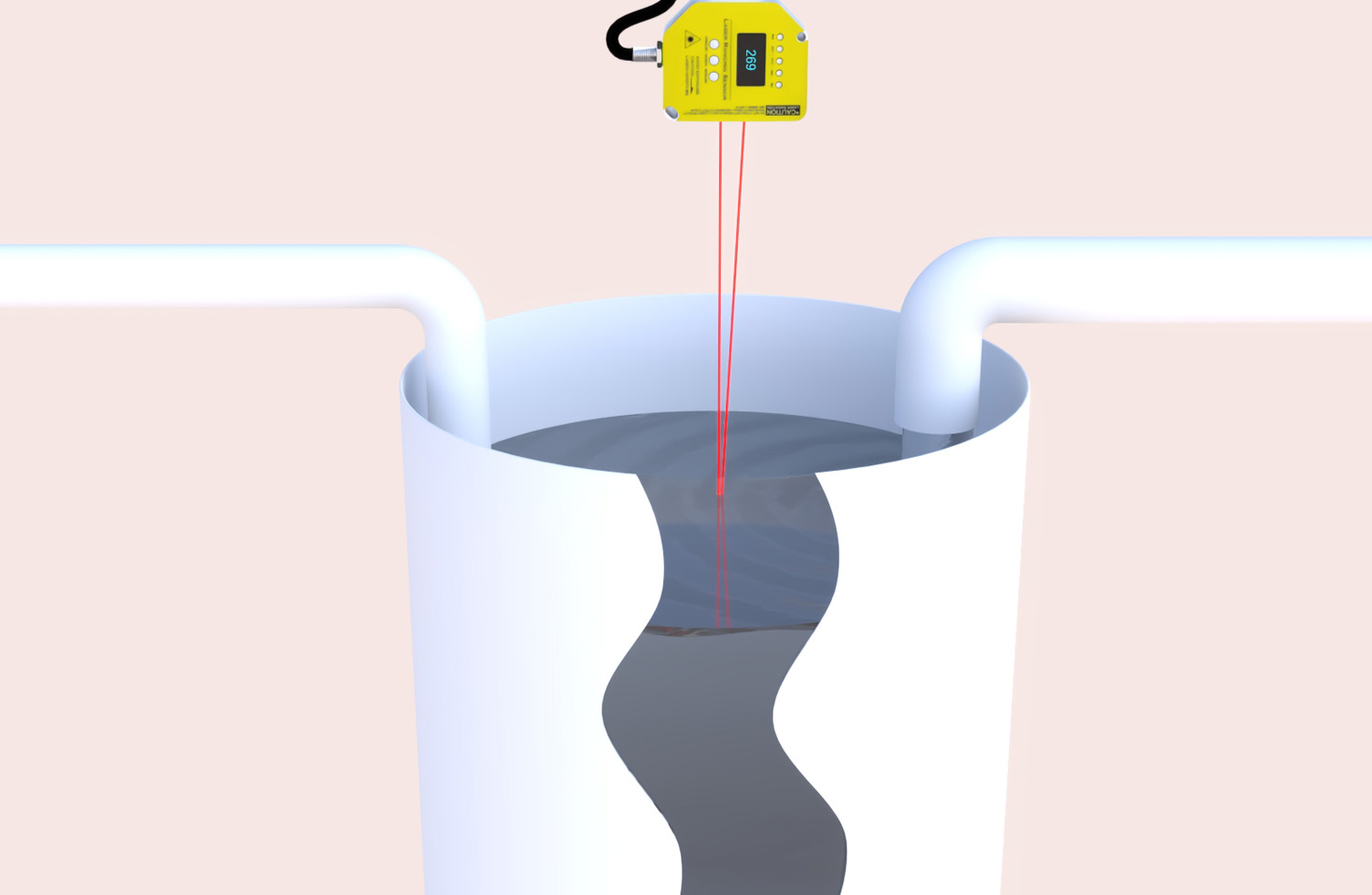
Industrial applications are vast and varied. In automotive manufacturing, laser displacement sensors are used to inspect panel gaps, measure brake disc thickness, and ensure the precise assembly of engine components. In the electronics industry, they verify the coplanarity of chip leads and the thickness of wafer substrates. For vibration analysis, these sensors are indispensable in condition monitoring of rotating equipment like turbines, motors, and pumps. By detecting abnormal vibration patterns early, engineers can schedule maintenance before catastrophic failure occurs, significantly reducing downtime and operational costs. They are also used in structural health monitoring of bridges and buildings, capturing subtle deflections that could indicate stress or fatigue.
Selecting the appropriate laser sensor requires careful consideration of several parameters. Measurement range, stand-off distance, spot size, resolution, and linearity are primary factors. For vibration sensing, bandwidth and sampling rate become critical to capture the relevant frequency components. Environmental conditions such as ambient light, temperature fluctuations, and the presence of dust or steam must also be accounted for, often necessitating sensors with high ingress protection (IP) ratings and robust housings.
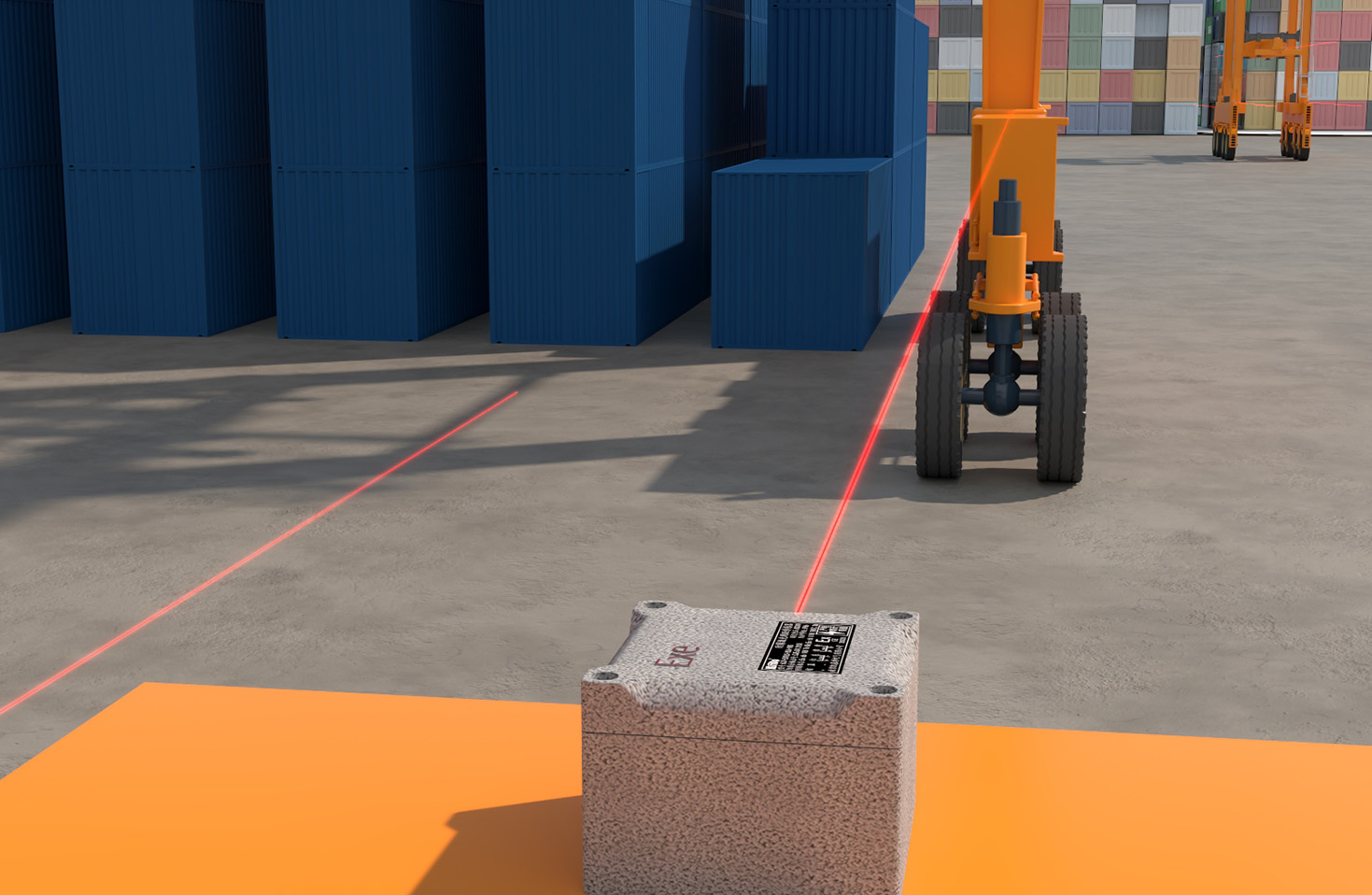
Integration into control systems is typically straightforward, with common output interfaces including analog voltage/current, digital RS-232/485, and industrial Ethernet protocols like EtherCAT or PROFINET. This allows seamless data acquisition by PLCs (Programmable Logic Controllers) and SCADA (Supervisory Control and Data Acquisition) systems, enabling closed-loop control and sophisticated data analytics.
Looking ahead, advancements in laser diode technology, miniaturization, and embedded signal processing are pushing the boundaries of what these sensors can achieve. The integration of AI for pattern recognition in vibration data and the development of multi-point laser scanners for 3D profiling represent the next frontier. As Industry 4.0 and the Industrial Internet of Things (IIoT) continue to evolve, laser displacement and vibration sensors will play an increasingly central role in creating smarter, more efficient, and more reliable manufacturing ecosystems. Their ability to provide precise, quantitative data about the physical world is fundamental to the digital transformation of industry, ensuring not only product quality but also the safety and longevity of critical assets.