Small proximity sensors are essential components in modern industrial automation, offering reliable object detection without physical contact. Their compact size and versatility make them suitable for diverse applications, from assembly lines to robotic systems. However, proper installation is critical to ensure optimal performance, longevity, and safety. This article outlines key installation methods and best practices for small proximity sensors in industrial settings.
First, consider the mounting style. Small proximity sensors are typically available in threaded barrel, rectangular, or ring-shaped designs. Threaded barrel sensors, such as M8 or M12 types, are commonly used due to their ease of installation. They can be mounted using nuts or brackets, allowing for adjustable positioning. Ensure the sensor is securely fastened to prevent vibration-induced misalignment, which can lead to false readings or damage. For rectangular sensors, mounting brackets or adhesive pads may be used, but in high-vibration environments, mechanical fastening is preferred to maintain stability.
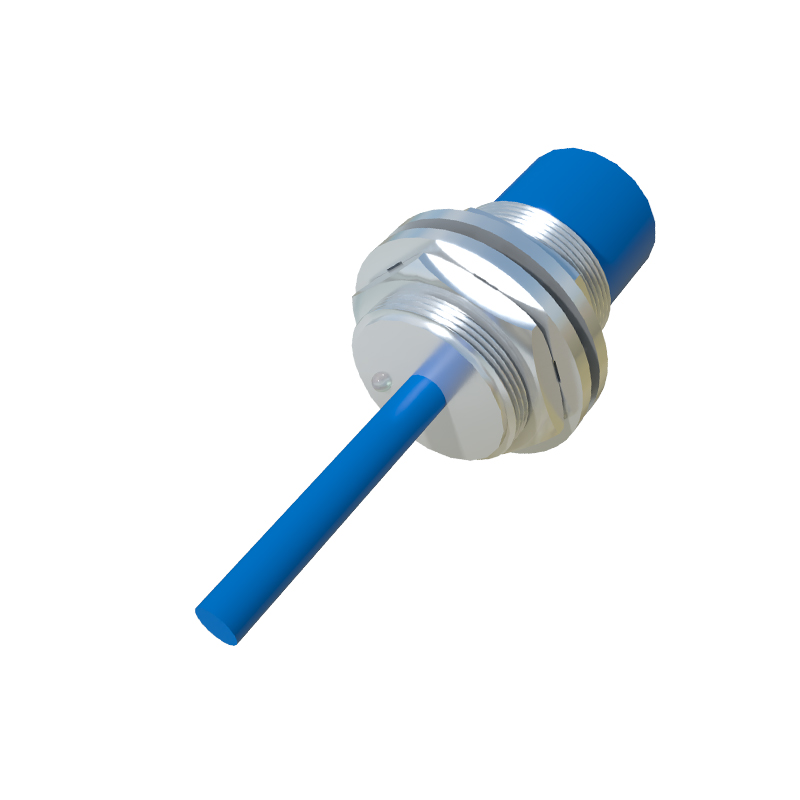
Next, pay attention to the sensing direction and range. Proximity sensors can be inductive, capacitive, or photoelectric, each with specific detection characteristics. Inductive sensors detect metallic objects and are often installed with their sensing face parallel to the target path. Maintain the recommended sensing distance—usually specified as the nominal range—to avoid interference. For example, if a sensor has a 5mm range, position it within 4-5mm of the target for consistent operation. Avoid mounting sensors too close to metal backgrounds or other electronic devices, as this can cause electromagnetic interference or reduced sensitivity.
Environmental factors play a significant role in installation. Small proximity sensors are often rated with IP (Ingress Protection) codes, such as IP67 or IP68, indicating resistance to dust and moisture. In harsh conditions, like washdown areas or outdoor settings, select sensors with appropriate IP ratings and use sealed connectors to prevent ingress. Additionally, consider temperature extremes; install sensors away from heat sources or cold spots that could affect internal components. For high-temperature applications, choose sensors with extended temperature ranges and avoid direct exposure to sunlight or cooling fluids.
Wiring and electrical connections are equally important. Most small proximity sensors have three-wire configurations (DC models) or two-wire versions (AC/DC). Follow the manufacturer’s wiring diagram to connect power, ground, and output leads correctly. Use shielded cables in environments with high electrical noise, such as near motors or frequency drives, and ground the shield at one end to minimize interference. Keep cable runs short and avoid running sensor cables parallel to power lines to reduce cross-talk. For daisy-chaining multiple sensors, ensure the power supply can handle the total load to prevent voltage drops.
Alignment and target considerations are crucial for accuracy. The target material, size, and shape influence sensor performance. For inductive sensors, use ferrous or non-ferrous metals as specified; non-metallic objects require capacitive or photoelectric sensors. Ensure the target is larger than the sensor’s sensing face to guarantee reliable detection. During installation, align the sensor perpendicular to the target surface for maximum sensitivity. Test the setup with the actual target under operational conditions to verify consistency, adjusting the position if needed.
Maintenance and troubleshooting tips include regular inspections for physical damage, dirt accumulation, or loose connections. Clean the sensing face periodically with a soft cloth to remove debris that could block detection. Monitor output signals using a multimeter or PLC diagnostics to identify issues like intermittent failures. If a sensor fails, check environmental factors and wiring before replacement.
In summary, installing small proximity sensors involves careful planning around mounting, environment, wiring, and alignment. By adhering to these methods, engineers can enhance system reliability and efficiency in industrial automation. Always refer to manufacturer guidelines for specific models, as improper installation can lead to premature failure or safety hazards.