Mechanical proximity sensors are fundamental components in modern industrial automation, serving as critical devices for detecting the presence or absence of objects without physical contact. These sensors operate based on mechanical actuation principles, where a physical mechanism—such as a plunger, lever, or roller—is displaced by an object, triggering an electrical signal. Manufacturers in this sector continuously innovate to enhance reliability, durability, and precision, catering to diverse applications from automotive assembly lines to packaging machinery.
The design and production of mechanical proximity sensors involve meticulous engineering to ensure they withstand harsh industrial environments. Key considerations include material selection, such as stainless steel or rugged polymers for housings, and sealing techniques to achieve high ingress protection (IP) ratings against dust, moisture, and chemicals. Leading manufacturers integrate advanced technologies like micro-switches with gold-plated contacts to minimize electrical resistance and extend operational life. Additionally, customization options—such as adjustable actuation forces and various output configurations (e.g., SPDT, DPDT)—allow these sensors to meet specific client needs across sectors.
In the automotive industry, mechanical proximity sensors are deployed in safety systems, including door interlocks and seatbelt detection, where fail-safe operation is paramount. Similarly, in material handling and logistics, they facilitate precise object positioning on conveyor belts, reducing downtime and optimizing workflow. The food and beverage sector relies on sensors with hygienic designs, often featuring smooth surfaces and easy-clean materials to comply with sanitary standards. As Industry 4.0 gains momentum, manufacturers are incorporating smart features like IoT connectivity and diagnostic capabilities, enabling predictive maintenance and real-time monitoring.
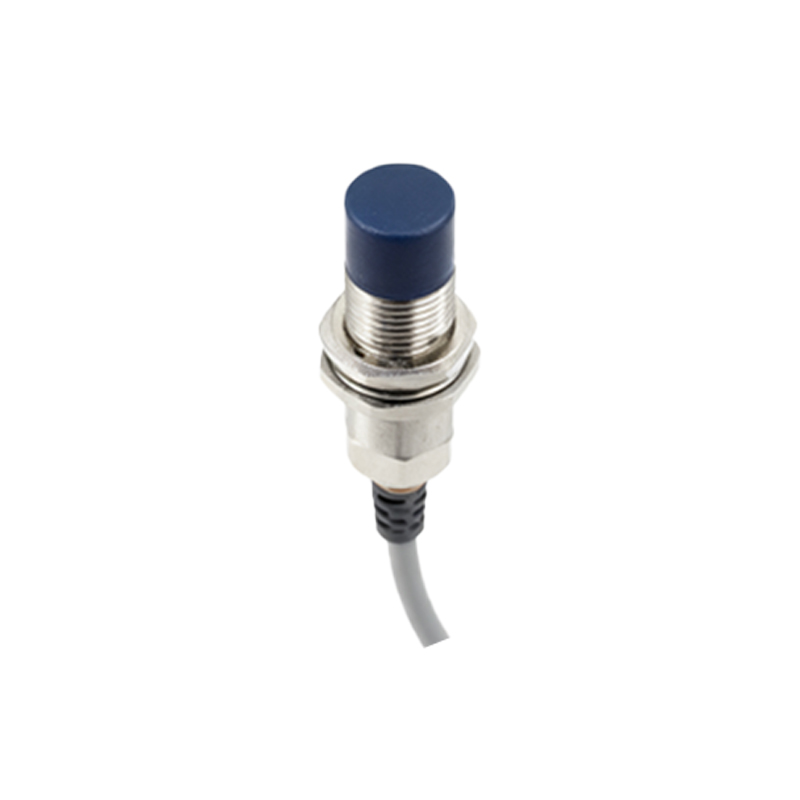
Choosing a reputable mechanical proximity sensor manufacturer involves evaluating factors such as product range, certifications (e.g., ISO 9001, UL, CE), and technical support. Top-tier companies invest in R&D to address emerging trends, including miniaturization for compact machinery and energy-efficient designs. By partnering with experienced suppliers, industries can enhance operational efficiency, ensure safety, and adapt to evolving technological landscapes. Ultimately, the evolution of mechanical proximity sensors reflects a broader commitment to innovation in industrial automation, driving productivity and reliability worldwide.